

Colorado Ski Costs: The Big Picture (2026)
Colorado skiing offers world-class experiences, but quality comes with a price. Costs in 2026 depend on the resort, time of year, and your travel style. Options range from luxury to family-friendly.
Resorts vary in price. Vail and Aspen are high-end. Breckenridge, Keystone, and Copper Mountain offer a middle ground, while smaller resorts like Sunlight or Powderhorn are more affordable. Peak season (December-March) has the highest prices; shoulder seasons (November, early December, late March/April) offer savings.
Budget breakdown: lift tickets (30-40%), lodging (30-40%), rentals/gear (10-15%), food/drinks (15-20%), and transportation (5-10%). A Facebook post estimated $300-$400 per person daily for skiing and gear, a realistic high-end figure.
Careful planning makes a Colorado ski trip accessible. This guide breaks down costs and offers budget tips.
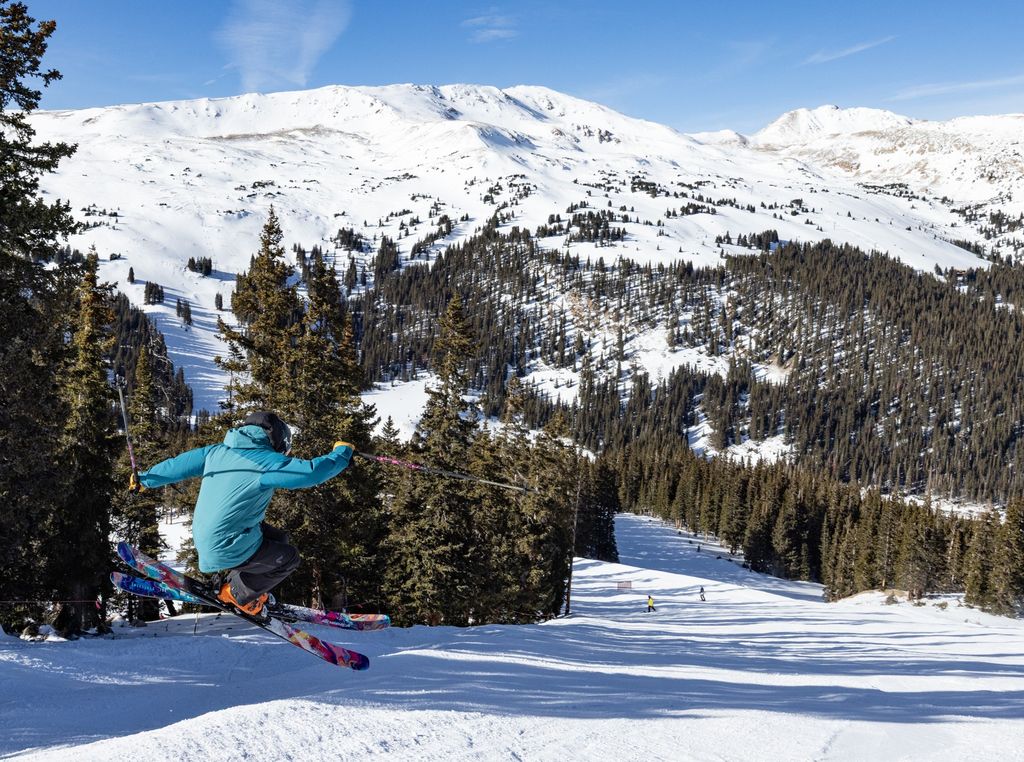
Lift Ticket Price Breakdown (2026)
Lift tickets are a major expense. In 2024-2025, single-day tickets at major resorts cost $200-$300+, with prices expected to rise in 2026. Vail tickets were around $289, Aspen Snowmass over $300, and Breckenridge/Keystone $229-$269.
Epic Pass ($1,226 for 2024-2025) and Ikon Pass ($1,249) offer savings for frequent skiers. Epic Pass covers Vail, Beaver Creek, and Breckenridge; Ikon Pass covers Aspen Snowmass, Steamboat, and Copper Mountain. Expect a 3-5% price increase in 2026.
Both passes have blackout dates, especially holidays. Epic Pass access is generally more restricted than Ikon Pass. Multi-day tickets are cheaper per day than single-day. Buy tickets online in advance for lower prices; ticket windows are higher. Some resorts use dynamic pricing.
Expected 2026 single-day ticket prices: Vail: $320+, Aspen Snowmass: $350+, Breckenridge: $270+, Keystone: $250+, Copper Mountain: $230+, Steamboat: $260+, Telluride: $280+, Winter Park: $240+. Check resort websites for early deals.
- Vail (2026 estimate): $320+
- Aspen Snowmass (2026 estimate): $350+
- Breckenridge (2026 estimate): $270+
- Keystone (2026 estimate): $250+
- Copper Mountain (2026 estimate): $230+
- Steamboat (2026 estimate): $260+
- Telluride (2026 estimate): $280+
- Winter Park (2026 estimate): $240+
Colorado Ski Resort Lift Ticket Costs - 2025/2026 Season (Estimated)
| Resort | Single Day Lift Ticket | 3-Day Lift Ticket | 5-Day Lift Ticket | Pass Access/Estimated Cost with Pass |
|---|---|---|---|---|
| Vail | Approximately $230 - $299 | Approximately $699 - $899 | Approximately $1,199 - $1,499 | Epic Pass Resort - Potential significant savings with Epic Pass |
| Breckenridge | Approximately $210 - $270 | Approximately $630 - $810 | Approximately $1,050 - $1,350 | Epic Pass Resort - Potential significant savings with Epic Pass |
| Aspen Snowmass | Approximately $200 - $260 | Approximately $600 - $780 | Approximately $950 - $1,250 | Ikon Pass Resort - Potential savings with Ikon Pass |
| Steamboat | Approximately $180 - $240 | Approximately $540 - $720 | Approximately $860 - $1,160 | Ikon Pass Resort - Potential savings with Ikon Pass |
| Keystone | Approximately $180 - $240 | Approximately $540 - $720 | Approximately $860 - $1,160 | Epic Pass Resort - Potential significant savings with Epic Pass |
| Copper Mountain | Approximately $170 - $230 | Approximately $510 - $690 | Approximately $820 - $1,080 | Ikon Pass Resort - Potential savings with Ikon Pass |
Illustrative comparison based on the article research brief. Verify current pricing, limits, and product details in the official docs before relying on it.
Lodging: From Hotels to Vacation Rentals
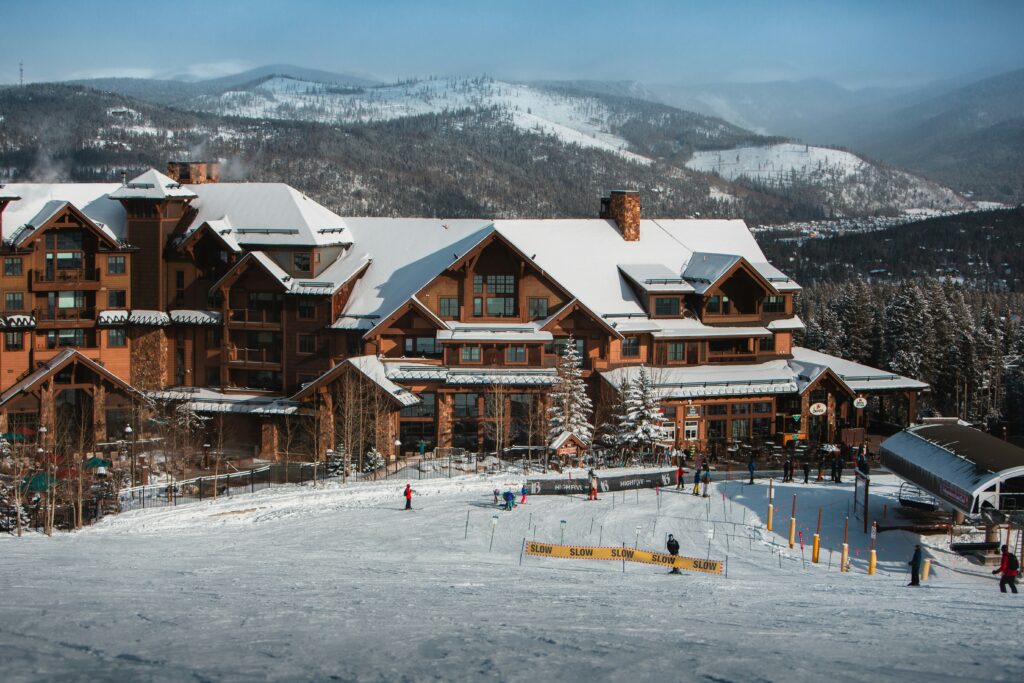
Lodging is the second-largest expense. Options include luxury hotels, condos, and rentals. Ski-in/ski-out costs 20-30% more. Staying in nearby towns like Dillon, Silverthorne, or Frisco can save money, but factor in commute costs.
Luxury hotels in Vail and Aspen can cost $500-$1000+ per night. Mid-range hotels are $200-$400. Budget motels or hotels in nearby towns range from $100-$200. Vacation rentals (Airbnb, VRBO) can be good for groups, but factor in fees.
Bundle lodging and lift tickets for potential savings; check resort websites and travel agencies. Book in advance, especially for peak season. Accommodations with kitchens reduce dining costs. Free shuttle services save on parking and transport.
Lodging choice significantly impacts budget. A shared condo is cheaper than a private hotel room on the mountain.
- Luxury Hotels: $500+ per night
- Mid-Range Hotels: $200-$400 per night
- Budget Hotels/Motels: $100-$200 per night
- Vacation Rentals (Airbnb/VRBO): Variable, factor in fees
Gear Up: Rentals, Purchases, and Hidden Costs
Rentals: skis/snowboard ($40-$80/day), boots ($20-$40/day), poles ($15-$30/day). Multi-day rentals offer discounts. Buying new: skis/snowboards ($500-$1500+), boots ($300-$800), bindings ($200-$500). Used gear is cheaper but requires inspection.
Accessories: helmet ($75-$200), goggles ($50-$200), gloves ($30-$100), and waterproof clothing. Layering with base layers, fleece, and a shell is recommended. High-altitude sun requires sunscreen and SPF lip balm. Shipping gear costs $50-$150 each way.
Ski lessons are recommended for beginners. Group lessons cost $100-$200 daily; private lessons are $400-$800+. Lessons early in the trip can improve enjoyment. Resorts often offer lesson and rental packages.
Factor in ski storage fees at hotels/resorts if bringing your own gear. Check airline baggage fees for skis/snowboards.
- Ski/Snowboard Rental (Daily): $40-$80
- Boot Rental (Daily): $20-$40
- Helmet Rental (Daily): $15-$30
- Ski Lessons (Group): $100-$200 per day
Eating on the Mountain & Beyond
undefined cost $20-$30 per person. On-mountain restaurants often have limited options and long lines. Grocery shopping and cooking your own meals is a much more affordable option. A typical breakfast can cost $10-$20 per person if you eat out, compared to $5-$10 if you cook it yourself.
Dinner costs can vary widely. Casual restaurants in resort towns typically charge $30-$60 per person, while fine dining experiences can easily exceed $100+ per person. The Facebook post mentioned $40-60 for lunch and $50-150+ for dinner, which feels about right for a typical experience. Look for happy hour deals and affordable dining options in neighboring towns.
Pack snacks and water to avoid buying overpriced items on the mountain. Consider bringing a reusable water bottle to stay hydrated. Many grocery stores offer pre-made sandwiches and salads for a quick and affordable lunch option. Exploring local restaurants outside of the main resort areas can also save you money.
Saving on Food & Drink
- Pack Snacks - Trail mix, energy bars, and fruit can significantly reduce impulse purchases at resort prices.
- Reusable Water Bottle - Staying hydrated is crucial at altitude. Refilling a reusable bottle avoids costly drinks.
- Cook Some Meals - If your lodging has a kitchen, preparing breakfast and some dinners can cut down on restaurant bills. Consider grocery shopping at City Market or Safeway.
- Happy Hour Deals - Many resort restaurants and bars offer discounted drinks and appetizers during happy hour. Check local listings.
- Off-Peak Lunch Times - Eating lunch before noon or after 2 PM can help you avoid crowds and potentially find lower prices.
- Grocery Delivery - Services like Instacart deliver groceries to many Colorado ski towns, saving you a trip to the store after travel.
- Consider a Cooler - If driving, bringing a cooler allows you to pack lunches and beverages for the slopes.
Transportation: Getting to and Around Colorado
Most visitors fly into Denver International Airport (DIA). From there, you have several options for getting to the resorts: shuttle services, rental cars, and public transportation. Shuttle services like Epic Mountain Express and Peak 1 Express typically cost $70-$150+ per person, round trip, depending on the resort and time of year.
Renting a car provides flexibility but can be expensive, especially during peak season. Rental car rates can range from $50-$100+ per day, plus gas and parking. Parking at resorts can cost $20-$50 per day. 4-wheel drive is highly recommended, especially during winter storms. Public transportation options are limited but available to some resorts, such as the Bustang to Frisco, from which you can connect to other resorts.
Ride-sharing services (Uber, Lyft) are available but can be expensive, particularly during peak hours. Consider the cost of surge pricing. If you’re staying in a resort town with a free shuttle service, take advantage of it to avoid parking fees and traffic congestion. The journey from DIA to many resorts can take 2-3 hours, so factor that into your travel time.
Resort-Specific Budget Examples (2026)
Let’s look at estimated costs for a 5-day trip for a family of four to three different resorts, representing a range of price points. These are estimates and can vary depending on your choices.
Vail (Luxury): Lift Tickets: $320/day x 4 people x 5 days = $6,400. Lodging: $800/night x 5 nights = $4,000. Rentals: $60/day/person x 4 people x 5 days = $1,200. Food: $200/day x 5 days = $1,000. Transportation: $500 (shuttle). Total: $13,100
Breckenridge (Mid-Range): Lift Tickets: $270/day x 4 people x 5 days = $5,400. Lodging: $300/night x 5 nights = $1,500. Rentals: $50/day/person x 4 people x 5 days = $1,000. Food: $150/day x 5 days = $750. Transportation: $400 (rental car). Total: $8,950
Keystone (Budget): Lift Tickets: $250/day x 4 people x 5 days = $5,000. Lodging: $200/night x 5 nights = $1,000. Rentals: $40/day/person x 4 people x 5 days = $800. Food: $100/day x 5 days = $500. Transportation: $300 (shuttle). Total: $7,600
These examples demonstrate the wide range of costs associated with a Colorado ski trip. By making smart choices about lodging, dining, and transportation, you can significantly reduce your expenses.
Hidden Costs & Unexpected Expenses
Don’t forget to factor in hidden costs that can quickly add up. Baggage fees for checking skis or snowboards can be significant. Parking fees at resorts can range from $20-$50 per day. Ski storage fees may apply if you’re bringing your own equipment. Gratuities for servers and ski instructors are customary.
Consider the cost of activities other than skiing, such as snowshoeing, ice skating, or tubing. Medical expenses can also arise, especially if you’re prone to altitude sickness or injuries. Travel insurance is highly recommended. It’s also wise to have a contingency fund for unexpected expenses, such as car repairs or flight delays.
Finally, be aware of the potential for altitude sickness. Spend a day or two acclimating to the altitude before engaging in strenuous activity. Drink plenty of water and avoid alcohol. If you experience symptoms of altitude sickness, seek medical attention immediately.
What was the biggest unexpected expense on your last Colorado ski trip?
Ski trip budgets rarely go as planned. Tell us which cost caught you off guard the most so we can help fellow travelers plan smarter for 2026. Vote below!
No comments yet. Be the first to share your thoughts!