

The 2026 price gap between mountains and islands
If you are weighing a winter mountain trip against a summer island getaway, the budget difference is stark. For a standard week-long family trip, estimates for a Colorado ski vacation typically land between $3,000 and $4,500 for two adults and two children, depending on resort choice and lodging proximity. This figure covers lift tickets, mid-range lodging, and basic meals, but excludes high-end extras like ski lessons or rental gear upgrades.
In contrast, camping in Hawaii offers a dramatically lower baseline. A week in a state park or private campground for a family of four generally ranges from $300 to $800 for site fees and gear. While you will still need to budget for flights, rental cars, and food—which can be pricey in Hawaii—the absence of $200+ daily lift tickets and $300+ nightly resort fees creates a significant margin for savings.
The core of the cost disparity lies in the "gate fee" structure of ski resorts. In 2026, a single day pass at major Colorado resorts like Breckenridge or Arapahoe Basin can exceed $200 for an adult. A five-day pass often totals over $1,000 per person. Hawaii’s attractions, such as hiking trails, beaches, and state parks, are largely free or cost a nominal entry fee. This fundamental difference in activity pricing means that even with higher travel costs to Hawaii, the daily spend remains a fraction of what you will burn on the slopes.
This gap doesn’t mean one trip is objectively "better" than the other; it simply reflects different value propositions. You are paying for curated infrastructure, professional grooming, and vertical feet in Colorado. In Hawaii, you are paying for access to natural landscapes and a relaxed pace. Understanding this baseline helps you decide where your dollars buy the most enjoyment for your specific travel style.
Lift tickets and gear rentals in Colorado
The daily cost of skiing in Colorado is driven by lift tickets, which have seen consistent price hikes across major resorts. Buying at the window is the most expensive option, with single-day adult passes often exceeding $200 during peak winter months. To manage expenses, travelers should look toward early-bird discounts or multi-day packages, though prices remain significantly higher than in previous years.
| Resort | Approx. Daily Adult Price |
|---|---|
| Arapahoe Basin | $230-$250 |
| Breckenridge | $219-$249 |
| Vail | $229-$259 |
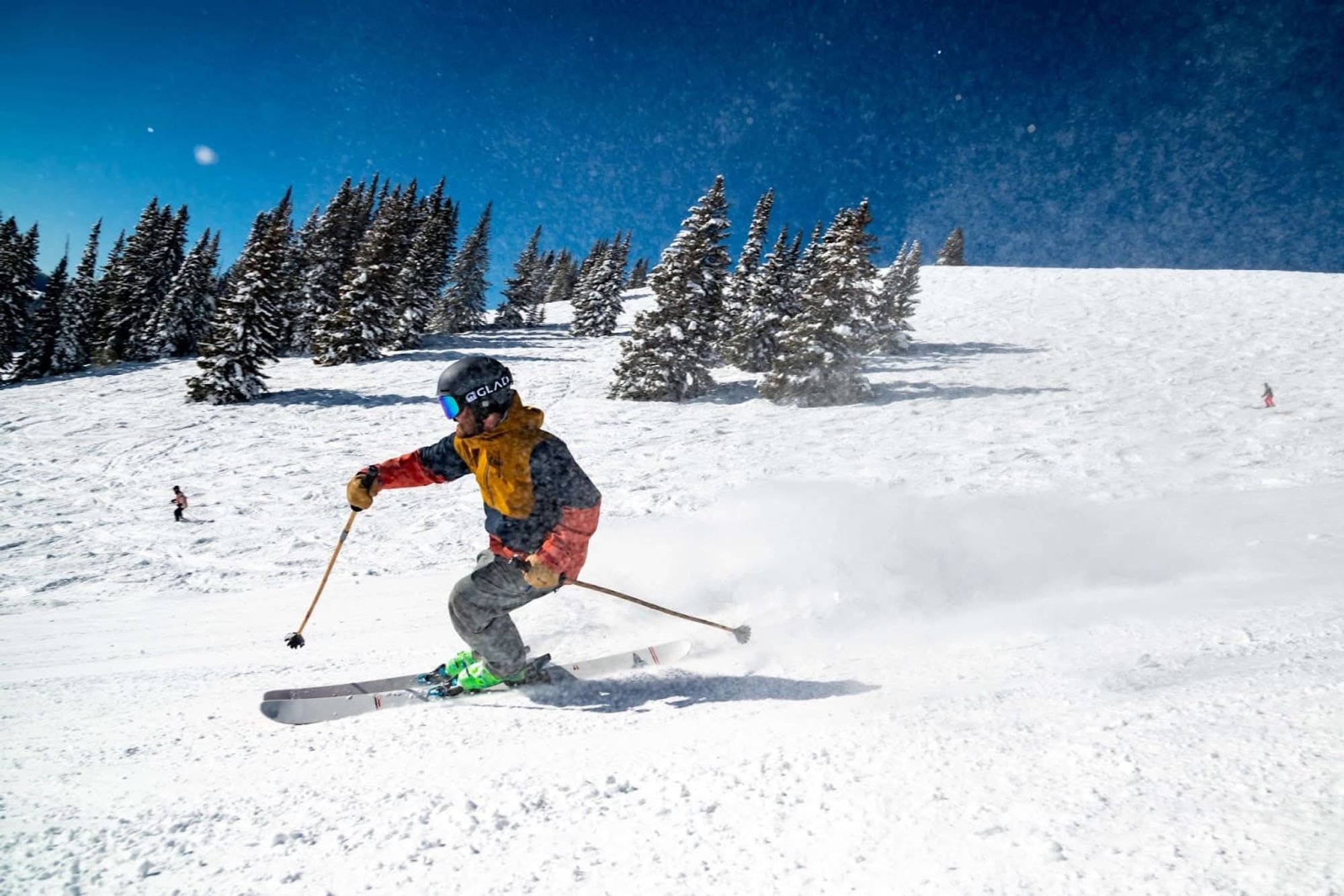
Gear rentals add a substantial layer to the budget. A full package—boots, skis, poles, and helmet—typically costs between $50 and $80 per day at base-area shops. While buying used equipment can reduce upfront costs, the convenience of renting allows travelers to test different gear without the hassle of transport. For those planning a week-long trip, rental discounts can lower the daily rate by 10-15%, but the total remains a significant portion of the overall trip expense.
Lodging and food expenses in Hawaii
While Colorado ski resorts charge premium rates for mountain-adjacent lodging, Hawaii offers a different financial reality for travelers willing to rough it slightly. Camping in Hawaii is significantly cheaper than staying in hotels, but food costs remain high due to the islands' isolation. Understanding this trade-off is essential when comparing the overall cost of a ski trip against a tropical vacation.
Camping in Hawaii provides a budget-friendly alternative to resort stays. State and county parks offer campsites for $30 to $40 per night, allowing families to keep accommodation costs low. This approach frees up budget for other activities, such as snorkeling gear rentals or park entry fees. However, campsites book up months in advance, especially during peak summer and winter holidays.
Food costs in Hawaii are among the highest in the United States. Groceries and restaurant meals cost more than on the mainland due to shipping expenses. A family of four might spend $150 to $200 per day on food if dining out regularly. To manage this, many campers prepare their own meals using supplies brought from the mainland or purchased at local supermarkets. This strategy can reduce daily food expenses by half.
The contrast with Colorado is stark. In Colorado, lodging near ski resorts often exceeds $300 per night during peak season. While grocery costs are comparable, the ability to ski without driving long distances adds convenience that justifies the higher hotel prices for many travelers. Hawaii’s camping model requires more planning but offers substantial savings on accommodation.
Travel and airfare differences
Your starting point dictates the baseline cost before you even book a lift ticket or a hotel room. The cost of a Colorado ski trip is heavily influenced by the distance to Denver International Airport (DEN), while Hawaii’s budget is shaped by the long-haul nature of reaching Honolulu (HNL).
For most travelers in the western and central United States, flying into Denver is a short, inexpensive hop. Domestic flights from cities like Chicago, Dallas, or even coastal hubs often range from $150 to $300 round-trip during peak ski season. This accessibility keeps the initial overhead low, allowing more of your budget to go toward lodging and gear.
Hawaii tells a different story. Whether you are coming from the East Coast or the West Coast, reaching Honolulu requires a significant flight. Fares frequently exceed $400 to $600 round-trip, adding a substantial fixed cost to the trip. This airfare premium means that for shorter Hawaii vacations, the per-day cost skyrockets compared to a longer Colorado ski trip where the flight cost is amortized over more days.
This dynamic creates a distinct budgeting split. Colorado’s lower airfare barrier makes it more forgiving for budget travelers, as the variable costs (like food and equipment) can be managed more easily. Hawaii’s high airfare requires a larger upfront investment, often pushing travelers toward longer stays to justify the ticket price, which can sometimes lower the daily average but increases the total cash outlay.
Which adventure fits your 2026 budget
Choosing between a Colorado ski trip and a Hawaiian camping trip comes down to how you value upfront costs versus daily flexibility. The cost of a Colorado ski vacation is generally higher due to bundled expenses like lift tickets, equipment rentals, and mountain lodging. Hawaii offers a lower barrier to entry, but travel and gear costs can add up quickly if you are not prepared.
Use this framework to decide which option aligns with your financial constraints and travel style.
Colorado skiing requires a significant daily budget. Lift tickets alone can exceed $200 per day, and meals at resort base villages are premium-priced. Hawaii camping allows you to cook your own meals and pay minimal site fees, giving you more control over daily spending.
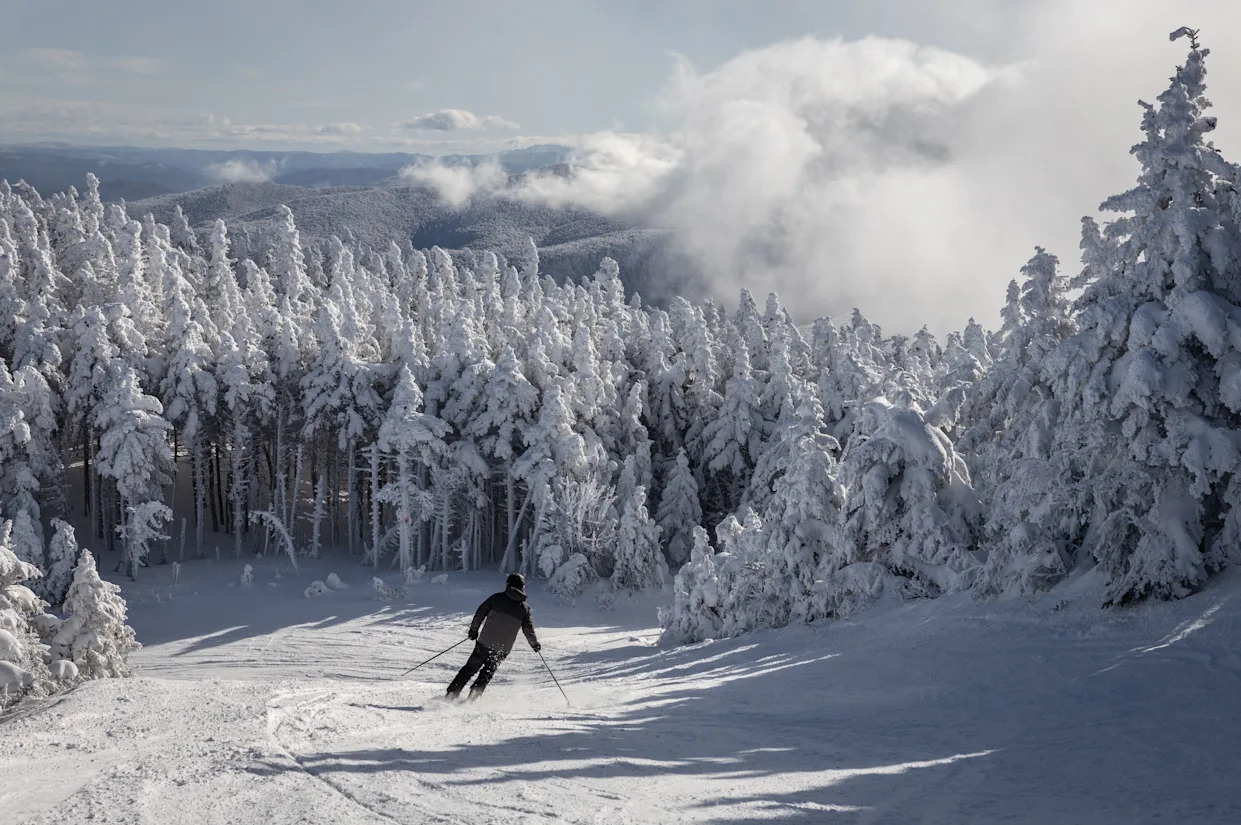
If you do not own ski gear, renting a full set for a week in Colorado can cost $300–$500. Hawaii camping requires a tent, sleeping bag, and stove, which are one-time purchases or rentals. If you already have camping gear, Hawaii becomes significantly cheaper.
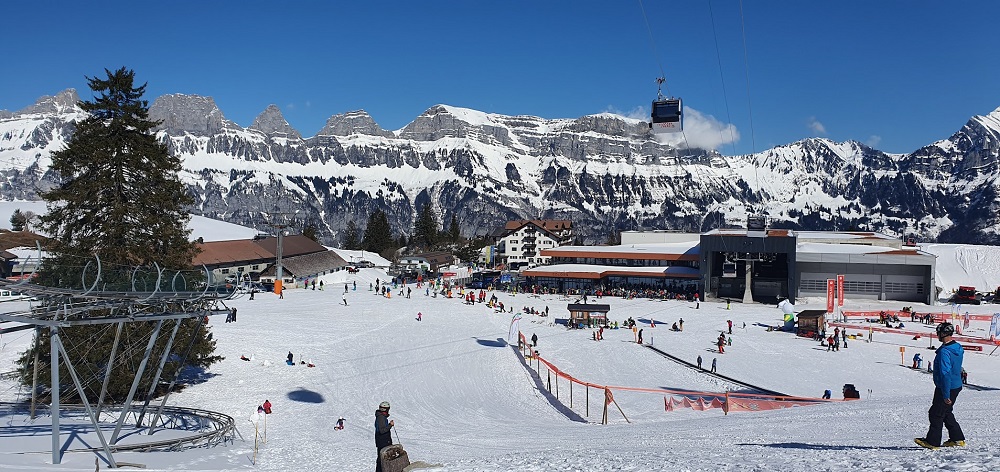
Colorado lodging near major resorts like Breckenridge or Vail is expensive, especially during peak winter months. Hawaii flights are often costly, but camping eliminates hotel bills entirely. If you are driving to Colorado, you save on airfare but pay for gas and high-altitude vehicle needs.
KeyTakeaways items=["Colorado skiing has higher daily costs due to lift tickets and lodging.","Hawaii camping is cheaper if you have your own gear and cook your own meals.","Travel costs can offset savings in Hawaii, so factor in flights or gas."]
Common questions about trip costs
How much is the Epic Pass 2026?
The 2026/27 Epic Pass pricing structure has shifted to prioritize younger demographics, with a notable 20% discount for skiers and riders aged 13 to 30. For this group, the Epic Pass launches at $869, while the Epic Local Pass is available for $649. These rates offer potential savings of up to $220 compared to standard pricing, making the Epic Pass a more accessible entry point for budget-conscious skiers. Source: Vail Resorts
Where do billionaires ski in the US?
For travelers seeking exclusivity over budget, the Yellowstone Club in Montana remains a premier destination. This private ski resort offers over 2,900 acres of private terrain, ensuring a level of privacy and security that appeals to high-profile members and celebrities. The cost of access is significantly higher than standard resorts, reflecting the world-class dining and luxurious accommodations provided far from the public eye.
Is skiing more expensive than camping?
Generally, yes. A trip to a major Colorado ski resort involves substantial fixed costs for lift tickets, equipment rental, and lodging, which can quickly surpass the cost of a camping trip in Hawaii. While camping requires minimal gear and often lower permit fees, skiing demands a higher initial investment. However, the cost per day of skiing can decrease significantly with the purchase of multi-day passes like the Epic Pass, whereas camping costs remain relatively flat regardless of trip duration.
No comments yet. Be the first to share your thoughts!