

The real cost of a Colorado ski day
A single day on the slopes in Colorado rarely costs less than $300 for a typical visitor, and easily exceeds $500 when you factor in gear rentals and meals. This daily total is driven primarily by lift ticket prices, which have risen sharply in recent years, alongside the necessary costs of equipment and food that are unique to mountain environments.
Lift tickets form the largest portion of your budget. For a standard one-day pass at major resorts like Vail, Breckenridge, or Keystone, expect to pay between $150 and $200 during peak season. Prices fluctuate based on the day of the week and how far in advance you book, but last-minute purchases at the window will almost always hit the higher end of that range. Even at mid-tier resorts, daily passes generally start around $120.
Rentals and food add significant overhead to that base ticket price. A full set of ski or snowboard rentals—boots, skis, and poles—typically runs $40 to $80 per day. Food costs on the mountain are premium; a single lunch at a base area lodge or cafe usually costs $20 to $35 per person. Bringing your own lunch can save $30 to $50, but that requires planning and storage.
When you combine these elements, the math for a moderate budget looks like this:
- Lift Ticket: $150–$200
- Gear Rentals: $40–$80
- Food: $40–$70 (lunch and dinner)
- Total: $230–$350+ per person
This estimate assumes you are renting equipment and buying food on-site. If you own your gear or stay in lodging with kitchen facilities, you can reduce the daily cost by $50 to $100, but the lift ticket remains a fixed, non-negotiable expense.
The key takeaway is that the "real cost" is rarely just the lift ticket. Budgeting for the full day ensures you aren't surprised by the cumulative price of access, equipment, and sustenance.
Lift ticket prices by resort tier
Colorado ski resorts generally fall into three pricing tiers based on size, terrain, and brand recognition. The gap between a day at a major destination resort and a local mountain can be more than $100, making lift ticket costs the single largest variable in your trip budget.
The Big Three: Vail, Breckenridge, and Beaver Creek
Vail, Breckenridge, and Beaver Creek represent the premium tier. These resorts command the highest prices due to their vast acreage, extensive infrastructure, and inclusion in the Epic Pass ecosystem. A single-day adult lift ticket at any of these resorts typically runs between $249 and $279 if purchased at the window on the day of skiing. Booking online in advance can save you $20 to $40, but the base price remains steep.
Mid-Mountain Options: Arapahoe Basin and Keystone
Resorts like Arapahoe Basin and Keystone sit in the middle ground. They offer substantial terrain and reliable snow conditions but often lack the massive village amenities of the big three. Lift tickets here generally range from $189 to $229 for adults. Arapahoe Basin, known for its long season and high altitude, often prices slightly higher than Keystone due to its unique operational model and reputation for challenging terrain.
Budget-Friendly Picks: Loveland, Ski Cooper, and Wolf Creek
For skiers willing to trade convenience for cost, Loveland, Ski Cooper, and Wolf Creek offer significant savings. Loveland, located on I-70, is a favorite for locals and day-trippers, with adult tickets often under $150. Ski Cooper, near Leadville, is frequently cited as one of the most affordable ski areas in the state, with prices often below $100. Wolf Creek, in the San Juas, offers deep powder and lower prices, typically ranging from $119 to $139. These resorts provide excellent value for those who prioritize skiing over luxury lodging or nightlife.
| Resort | Tier | Adult Day Ticket (Approx.) | Best For |
|---|---|---|---|
| Vail | Premium | $249–$279 | Large terrain & amenities |
| Breckenridge | Premium | $249–$279 | Terrain parks & history |
| Beaver Creek | Premium | $249–$279 | Luxury & grooming |
| Keystone | Mid-Range | $189–$229 | Night skiing & family |
| Arapahoe Basin | Mid-Range | $189–$229 | Long season & locals |
| Loveland | Budget | $129–$149 | Convenience & locals |
| Ski Cooper | Budget | $89–$109 | Lowest cost & value |
| Wolf Creek | Budget | $119–$139 | Deep powder & crowds |
The price difference is stark. A week-long trip for two people at a premium resort could see lift tickets exceed $3,500, while the same trip at a budget resort might stay under $1,500. This variance allows you to reallocate funds toward better lodging, dining, or equipment rentals without breaking the bank. Consider mixing resorts: a few days at a mid-range option and a day or two at a budget spot can balance experience and expense.
Lodging and transportation costs
Where you sleep and how you move dictate the final line item in your skiing Colorado cost budget. The gap between staying on the mountain versus in a nearby town is rarely just about comfort; it is a structural difference in daily expenses that can swing your total budget by hundreds of dollars.
On-mountain vs. town lodging
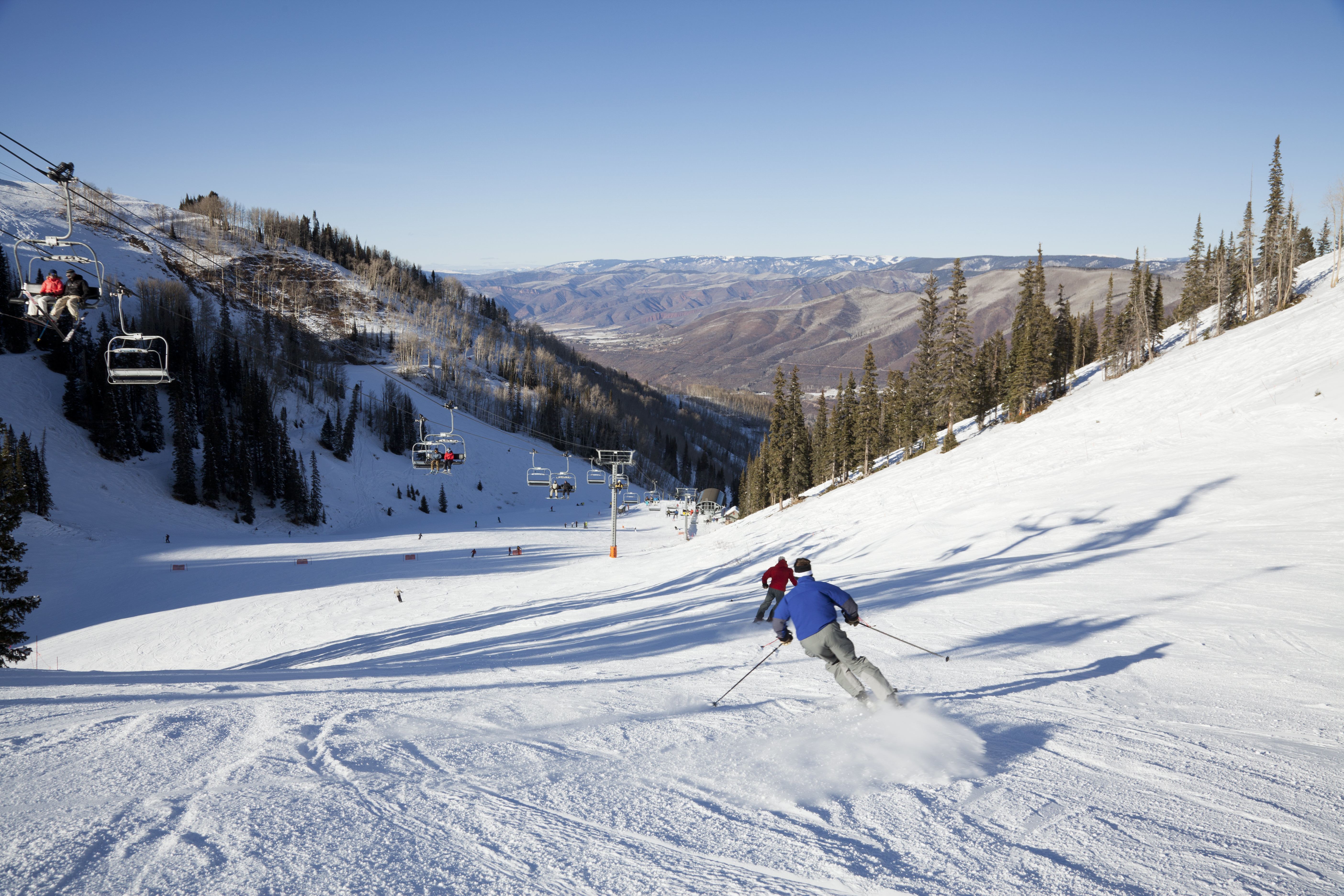
Staying at a ski resort hotel offers convenience but comes with a premium. You are paying for the ability to ski-in, ski-out, which eliminates the need for a vehicle and saves time. However, these properties often charge $300 to $600 or more per night during peak season. In contrast, lodging in Silverton, Leadville, or even farther out in Denver provides significantly lower rates. A standard motel room in a non-resort town might cost $150 to $250, leaving more room in your budget for lifts and gear.
The trade-off is time and fuel. If you stay in town, you must factor in the cost of gas and the daily commute. For a family of four, a 30-minute drive each way can add $40 to $60 in gas daily, depending on your vehicle. While this narrows the price gap, the on-mountain premium often still exceeds the combined cost of town lodging plus gas, especially if you book early.
Rental car expenses
A rental car is rarely optional in Colorado. While some resort towns have limited shuttle services, most require personal transportation to reach grocery stores, off-site restaurants, and alternative ski areas. Rental prices fluctuate wildly based on demand. During holiday weeks, a compact car can jump from $50 to $150 per day.
To manage this, book your rental car as soon as you book your lodging. Look for deals that include unlimited mileage, as you will likely be driving between grocery runs and potentially different ski areas. Consider whether you truly need a four-wheel-drive vehicle; many main roads are plowed regularly, and a standard car may suffice if you stick to major highways, saving you the daily upgrade fee.
The hidden cost of parking
If you choose to stay on-mountain, remember that parking is often included in your room rate. If you stay off-site, you must pay for parking at the resort. Most major Colorado ski areas charge $20 to $40 per day for standard parking, with valet options costing significantly more. This daily fee adds up quickly over a five-day trip, potentially costing $100 to $200 extra. Factor this into your town lodging calculation to get an accurate comparison of total skiing Colorado cost.
Gear rentals and food on the mountain
Beyond lift tickets and lodging, two daily expenses often catch skiers off guard: equipment and meals. While you can save significantly by bringing your own gear, renting is the standard choice for most visitors. At the same time, resort village dining carries a premium that can quickly inflate a daily budget if not managed.
Ski equipment rental prices
Renting a full set of skis, boots, and poles typically runs between $40 and $100 per day, depending on the resort and the quality of the package. Basic packages are sufficient for beginners, but advanced skiers may need to pay extra for high-performance gear or helmets. Booking online in advance often secures a discount and guarantees availability during peak holiday weeks.
Tip: Booking your ski rentals online before you arrive can save you 10-20% compared to walk-up rates. If you live within a few hours of Colorado, bringing your own skis and boots eliminates this cost entirely.
Mountain dining costs
Eating at resort base villages is expensive. A single lunch or dinner meal generally costs $30 to $50 per person, with drinks adding another $10 to $15. A quick bite like a burrito or pizza slice might be slightly cheaper, but sit-down restaurants command premium prices for their location. Many budget-conscious skiers mitigate this by packing a lunch from their hotel kitchen or nearby grocery stores, reserving village dining for a special treat.
The daily total
When you combine a mid-range rental package ($60) with two meals at the mountain ($80 total), you are looking at an additional $140 per day on top of your lift ticket. For a three-day trip, this adds $420 to your total expense—a significant chunk that should be factored into your initial budget planning.
How to reduce your ski trip budget
Skiing Colorado cost is rising, but you can still control the damage by shifting when you go and where you buy your access. The difference between a $200 lift ticket and a $100 one often comes down to timing and preparation rather than the quality of the snow.
Buy passes early or ski midweek
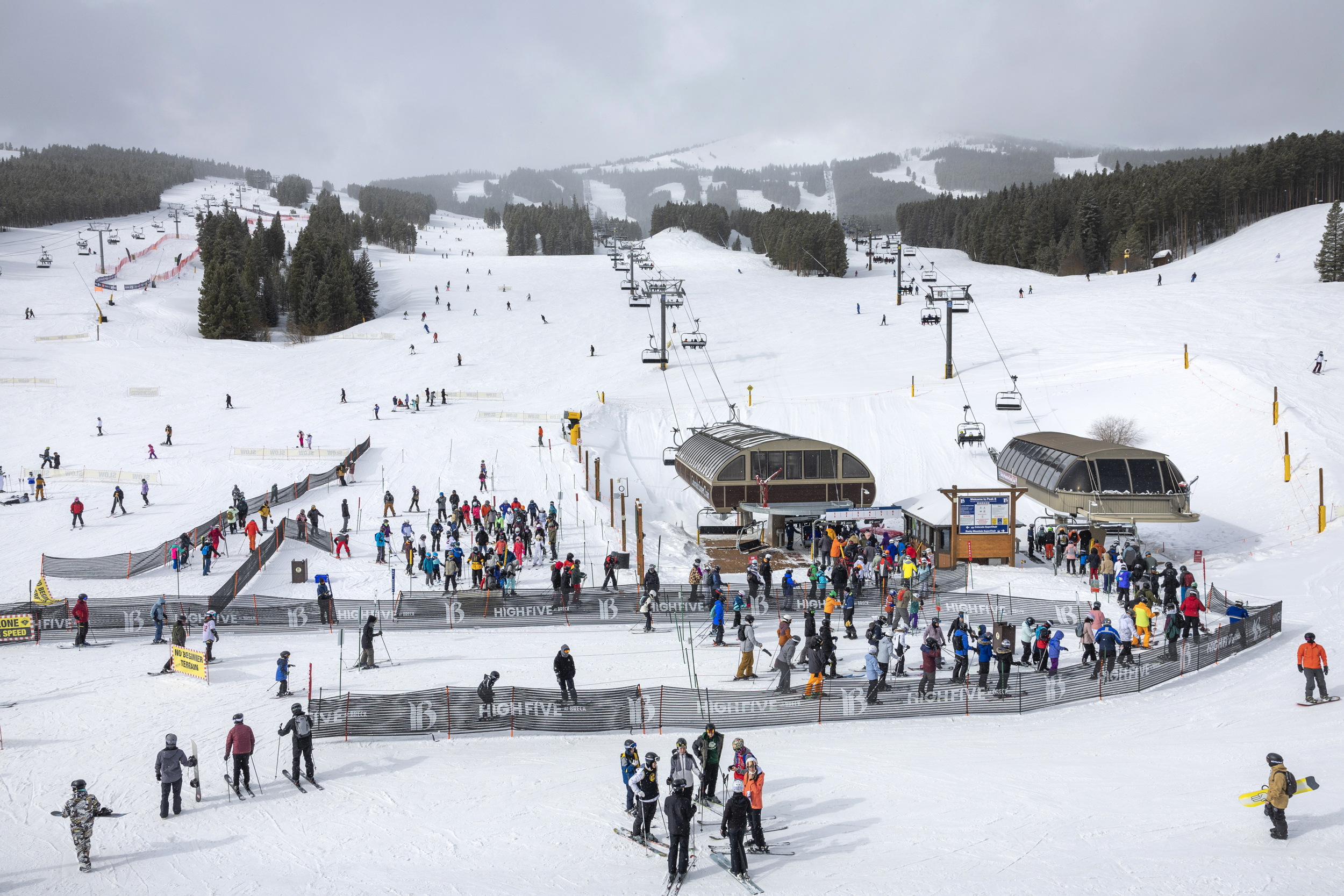
Lift tickets are the single largest expense for most visitors. Buying online weeks in advance typically saves 20-30% compared to window prices. For frequent visitors, a season pass is the most effective way to lower the per-day cost. The average season pass across Colorado resorts sits around $858, but early-bird discounts can bring that number down significantly. If you only ski a few times, stick to weekday tickets at value-focused resorts like Ski Cooper, which consistently ranks as one of the most affordable options in the state.
Pack your own food and gear
Food and equipment rentals are where budgets quietly bleed out. Ski area restaurants charge premium prices for simple meals. Packing a lunch and snacks can save $50-$100 per person per day. Similarly, renting gear at the mountain base is convenient but expensive. Booking rentals online through third-party vendors or picking them up at shops in nearby towns like Breckenridge or Leadville often results in lower rates and better equipment selection.
Checklist for saving money
-
Book lift tickets online at least two weeks in advance
-
Choose midweek dates (Tuesday-Thursday) for lower crowds and prices
-
Rent skis or snowboards from off-mountain vendors
-
Pack a cooler with lunch, snacks, and hot drinks
-
Stay in nearby towns like Leadville or Fort Collins instead of resort bases
-
Check for multi-resort passes if you plan to ski multiple days
Frequently asked questions about costs
Is there affordable skiing in Colorado?
Yes, but it requires looking past the major resorts. Ski Cooper is widely considered one of the best values in the state, offering significantly lower lift ticket prices than the big names. It is located just a few miles from Leadville, a historic town that keeps overall trip costs down with cheaper lodging and food options compared to mountain gate communities.
How much does a 3-day ski trip cost?
A 3-day ski trip in Colorado typically ranges from $1,200 to $2,500 per person, depending on your lodging choices and whether you rent gear. This estimate includes lift tickets, which average $150–$200 per day at major resorts, mid-range lodging, and basic meals. Budget travelers can reduce this by staying in nearby towns and packing their own food.
Can I ski in Colorado on a budget?
You can ski on a budget by avoiding peak holiday weeks and booking lift tickets in advance. Many resorts offer multi-day discounts that lower the per-day cost significantly. Additionally, renting gear from local shops outside the resort base often costs less than on-mountain rentals, and bringing your own lunch can save $30–$50 per day.
No comments yet. Be the first to share your thoughts!