

The actual cost of camping in Hawaii
I've found that the dream of a cheap Hawaii trip usually hits a wall once you see hotel prices. Camping is the obvious workaround, but it isn't as simple as just throwing a tent in a suitcase. Between permit lotteries and gear rentals, the costs add up in ways that might surprise you.
Costs for camping in Hawaii vary wildly depending on the island you choose and, critically, the specific campsite. Some sites are practically free, while others require permits that can be difficult to obtain and add significantly to your expenses. Don't assume camping automatically equals 'cheap' – careful planning is essential.
As of April 5, 2026, the information presented here reflects the most current fees and regulations available. However, these are subject to change, so always double-check with the official sources before your trip. Expect to spend, at minimum, $10 per night, per person, but be prepared for costs to escalate quickly depending on location and permit availability.
Permits are the hardest part
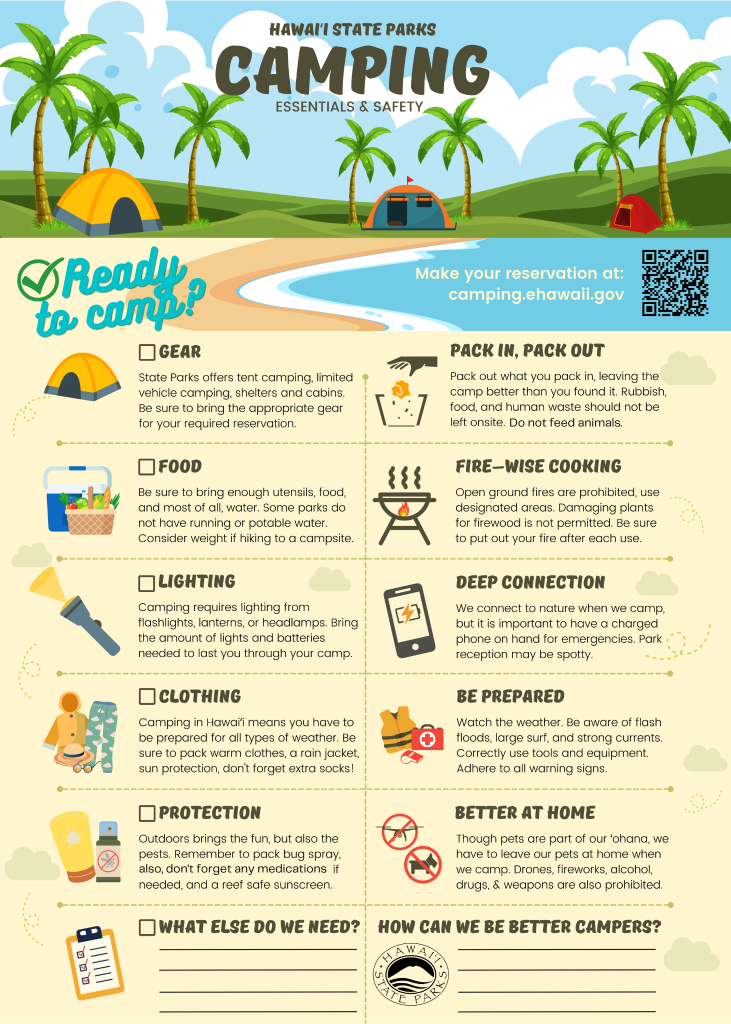
Securing a camping permit is frequently the biggest challenge when planning a Hawaii camping trip. The process varies by island, but you’ll generally encounter three main systems: walk-up permits, online reservations, and lottery systems. Walk-up permits, as the name suggests, are available on a first-come, first-served basis, often requiring you to physically visit the park office.
Online reservations are a bloodbath. Popular spots sell out months ahead. Some islands use lotteries, but I wouldn't bet my whole vacation on winning one. You'll spend most of your planning time on the Department of Land and Natural Resources website checking for openings.
Non-resident permits are sometimes limited or more expensive than those for Hawaii residents. Be prepared to demonstrate proof of residency if required. Don’t underestimate the difficulty of getting a permit, especially for popular campgrounds. Flexibility with your dates and campsite choices is key. Many people report spending hours refreshing reservation pages or entering lottery submissions.
Permit fees themselves can range from a few dollars to upwards of $30 per permit, depending on the island and the length of your stay. These fees are in addition to the nightly camping fees. It's also common to encounter a one-time permit application fee, regardless of whether you're successful in securing a campsite.
- Check the DLNR site for your specific island early.
- Understand the permit application process and deadlines.
- Be flexible with your dates and campsite preferences.
- Consider applying for permits well in advance of your trip.
Oahu: high demand and few spots
Oahu is the most visited of the Hawaiian islands, and its popularity translates to limited camping options and high demand. State park campsites are available at places like Malaekahana State Beach Park and Bellows Field Beach Park, but securing a permit is notoriously difficult. Expect intense competition, particularly on weekends and holidays.
As of 2026, nightly camping fees at Malaekahana and Bellows Field are around $12.50 per person per night, plus a $5 per vehicle parking fee. This means a couple camping in one vehicle could easily spend over $30 per night just for the campsite and parking. Group size limits are strictly enforced, typically capping campsites at six people.
Oahu’s popularity also means you’ll likely encounter noise and crowds, even at designated campsites. Dispersed camping (camping outside of designated campgrounds) is largely prohibited on Oahu, making it difficult to find alternatives if you can’t secure a reservation. You'll need to plan ahead and be prepared for potential disappointment.
The Facebook group discussions suggest a one-time permit fee of $30 can be expected in addition to the nightly rate, making the initial investment higher. Remember that these prices are subject to change, and securing a spot requires diligence and potentially, a bit of luck.
Big Island Camping: Lava, Stars, and Fees
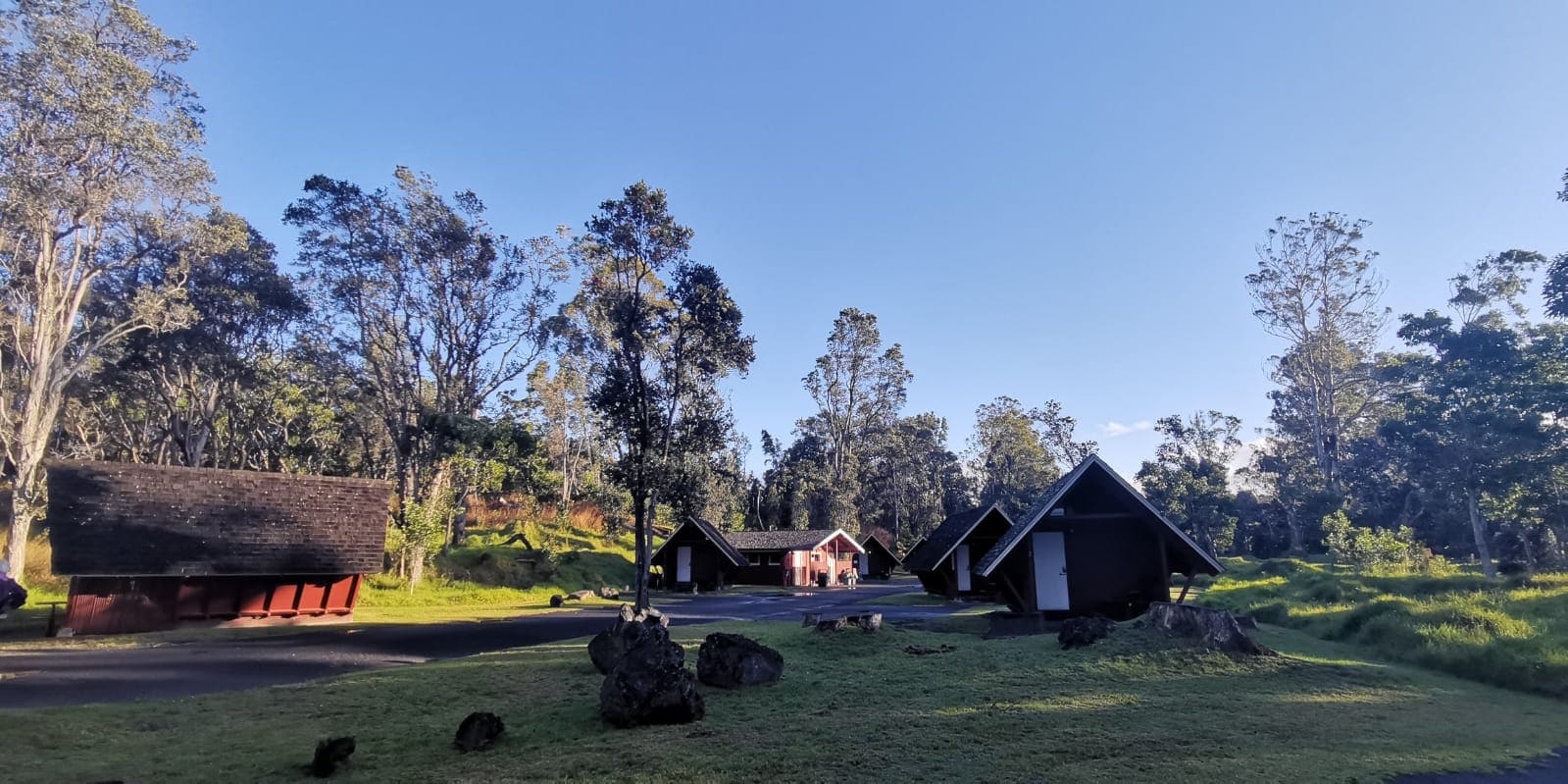
The Big Island offers a more diverse range of camping options than Oahu, from established campgrounds within Hawaiʻi Volcanoes National Park to more remote coastal campsites. Camping inside the National Park starts at $10 per night for a tent site. However, you’ll also need to pay the park entrance fee, which is $30 per vehicle for a 7-day pass.
Coastal campsites, often managed by the County of Hawaii, typically cost around $10-$20 per night. These sites often have basic amenities like picnic tables and restrooms, but showers may not be available. Backcountry camping is also an option, but requires a separate permit and a higher level of preparedness.
Camping near volcanic activity presents unique considerations. Always check the park’s website for current conditions and safety advisories. Volcanic gases can be hazardous, and visibility can be reduced by vog (volcanic smog). The Big Island is generally easier to secure permits on than Oahu, but popular campsites still fill up quickly.
Lovebigisland.com is an excellent resource for detailed information on Big Island campsites, permit requirements, and costs. They often provide up-to-date information on campsite availability and any temporary closures. Remember to factor in the cost of gas to reach some of the more remote campsites, as the Big Island is, well, big.
- Hawaii Volcanoes National Park: $10 per night plus the $30 vehicle entrance fee.
- County Beach Park Campgrounds: $10-$20/night
- Backcountry Camping: Permit required, fees vary
Big Island Campsite Comparison - 2026
| Campsite Name | Location | Permit Difficulty | Amenities | Vibe |
|---|---|---|---|---|
| Kipuka Ainapo | Volcanic (Rainforest) | Medium | Water (non-potable), Toilet | Remote, Quiet |
| Devastation Trail Campground | Volcanic | Easy | Toilet | Basic, Convenient to Volcanoes National Park |
| Kulani Campground | Volcanic (Forest) | Easy | Water (non-potable), Toilet | Family-Friendly, Wooded |
| Papakōlea Brown Beach Campground | Coastal | Hard (Limited Availability) | None | Remote, Unique (Green Sand Beach Access) |
| Nāpōʻopoʻo Campground | Coastal | Medium | Water, Toilet | Family-Friendly, Ocean Views |
| Akaka Falls State Park Campground | Forest | Easy | Toilet | Scenic, Near Waterfalls |
Illustrative comparison based on the article research brief. Verify current pricing, limits, and product details in the official docs before relying on it.
Maui & Molokai: A Different Pace, Different Prices
Maui and Molokai offer a more laid-back camping experience than Oahu or the Big Island. Maui has designated campgrounds like Papalokea and Hosmer Grove, with nightly fees around $20 per site. Securing permits on Maui is moderately difficult, but less competitive than Oahu.
Molokai, being less touristy, generally has fewer official campsites. Camping options are more limited, and dispersed camping (with respect for the land and local regulations) may be more common. However, always verify the legality of dispersed camping before setting up camp. Fees for established campsites on Molokai are typically around $15 per night.
Molokai’s more relaxed atmosphere means you might encounter fewer restrictions and more opportunities to connect with the local culture. However, amenities at campsites are often basic, so be prepared to be self-sufficient. It’s important to note that information on Molokai camping can be harder to find, so thorough research is essential.
The key difference is that Molokai relies more on responsible dispersed camping practices, which means adhering to leave-no-trace principles and respecting private property. Always prioritize ethical and sustainable camping practices on both islands.
Hidden costs beyond the campsite
The cost of camping doesn’t end with the campsite fee. Transportation is a major expense. A rental car is almost essential for exploring most of the islands, and costs can range from $50 to $100+ per day, depending on the vehicle and rental company. Inter-island flights, if you plan to visit multiple islands, can easily add $100-$200 per person, per flight.
Food costs can also quickly add up. While cooking your own meals is significantly cheaper than eating out, groceries in Hawaii are generally more expensive than on the mainland. Expect to pay a premium for fresh produce and other staples. A reasonable food budget for a camping trip is around $50-$75 per person, per day, if you're primarily cooking your own meals.
If you don't bring your own gear, expect to pay $30 to $50 a day for a basic rental kit. Buying gear locally is an option, but prices at shops in Honolulu or Kahului are steep. A decent lightweight tent and stove will set you back at least $250 before you even buy fuel.
Don’t forget potential costs for activities. Hiking permits may be required for some trails, and snorkeling gear rental can add another $20-$30 per day. Getting to and from the airport, and potential baggage fees, are also expenses to factor in. It’s easy to underestimate these hidden costs, so create a detailed budget to avoid surprises.
- Rental Car: $50-$100+/day
- Inter-island Flights: $100-$200/person/flight
- Food: $50-$75/person/day
- Gear Rental: $30-$50/day
- Activities: Variable
Essential Hawaii Camping Gear for Your Island Adventure
WeatherTec system with patented welded floors and inverted seams · Easy setup in about 10 minutes · Includes rainfly for extra weather protection
This tent offers ample space and reliable weather protection, making it a comfortable shelter for two to four people in Hawaii's varied climate.
Rated for temperatures down to 15°F · Durable polyester taffeta shell and lining · Full-length zipper with anti-snag protection
Even in Hawaii's warmer climate, nights can get cool, especially at higher elevations; this sleeping bag provides warmth and comfort.
400 lumens maximum brightness · Multiple lighting modes including strobe and red night vision · IPX8 waterproof rating
A reliable headlamp is crucial for navigating campsites after dark, setting up camp in low light, or for any nighttime exploration.
Boils 1 liter of water in just over 2 minutes · Compact and lightweight design · FluxRing™ heat exchanger for efficient fuel use
This compact stove is perfect for quickly preparing meals or hot drinks, saving time and fuel on your island adventure.
Filters up to 100,000 gallons · Removes 99.9999% of bacteria and 99.9999% of protozoa · Lightweight and portable design
Ensures access to safe drinking water from natural sources, a vital piece of gear for any outdoor enthusiast in Hawaii.
As an Amazon Associate I earn from qualifying purchases. Prices may vary.
Saving Money: Camping Hacks for Hawaii
Reducing camping costs in Hawaii requires careful planning and a willingness to be resourceful. Cooking your own meals is the single biggest way to save money. Avoid eating at restaurants, which can be very expensive. Pack non-perishable food items from home to further reduce grocery costs.
Take advantage of free activities, such as hiking, swimming, and beachcombing. Hawaii offers a wealth of natural beauty that can be enjoyed without spending a dime. Travel during the shoulder season (April-May or September-October) to avoid peak season prices and crowds.
Consider carpooling with other campers or using public transportation (where available) to reduce transportation costs. Bring your own camping gear to avoid rental fees. Look for local discounts or deals on activities and attractions.
Camping with friends can also help to share costs, such as campsite fees and transportation. Prioritize experiences over material possessions and embrace the simplicity of camping. Remember, the most valuable part of your Hawaii vacation will be the memories you create, not the money you spend.
No comments yet. Be the first to share your thoughts!