
Cherry Blossom Season in Japan: Is the Dream Worth the Cost?
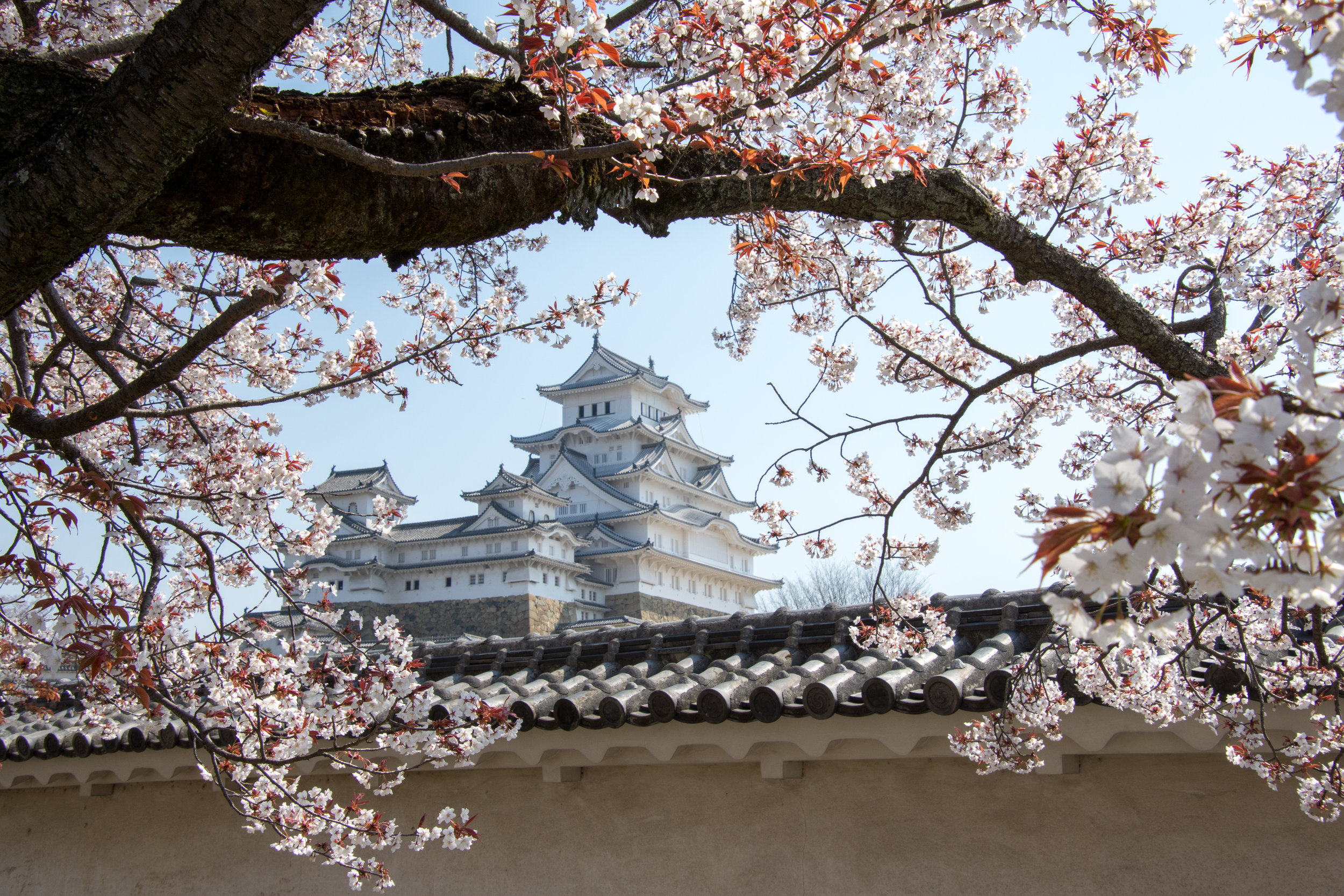
Japan during cherry blossom season, or sakura, is undeniably magical. Images of delicate pink blooms framing ancient temples flood social media every spring, and for good reason. The cultural significance is immense; it’s a time for reflection, renewal, and appreciating the fleeting beauty of life. But this beauty comes at a price.
Visiting Japan during peak bloom is expensive. Demand surges, driving up the cost of flights, accommodation, and even everyday expenses. Many travelers find themselves surprised by the total, and a little planning can make all the difference. This guide provides a realistic breakdown of Japan travel costs for 2026, focusing on a cherry blossom trip.
Projected costs for 2026 factor in recent trends and anticipated changes. These are estimates, and prices can fluctuate. Careful planning makes the premium price a worthwhile investment.
The allure of seeing sakura is strong, but go in with eyes wide open. Japan is an incredible country offering a phenomenal travel experience even outside peak bloom. Knowing what to expect financially helps maximize enjoyment and minimize stress.
Flights to Japan in 2026: Expect to Pay More
Flights are typically the most significant expense for a trip to Japan, and cherry blossom season exacerbates this. Trip.com’s 2026 estimates show round-trip flights varying dramatically based on origin city and booking time. Prices peak in late March and early April.
From the US East Coast, a round-trip economy ticket could range from $1,500 to $2,500. The US West Coast offers deals between $1,200 and $2,000. Travelers from Europe should budget $1,300 to $2,800, while those from Australia can expect to pay $1,000 to $2,200. These are averages and can change rapidly.
Airlines like Japan Airlines (JAL), All Nippon Airways (ANA), United, Delta, and several European carriers all fly to major Japanese airports such as Narita (NRT) and Haneda (HND) in Tokyo, and Kansai International Airport (KIX) in Osaka. Booking well in advance – ideally six to nine months – is crucial. Consider using flight comparison websites to find the best deals.
Fuel costs and airline policies change. A Forbes article from January 2026 mentions new travel regulations, but doesn’t detail airline pricing impacts. Potential increases are reasonable due to these changes. Flexibility with travel dates unlocks savings; flying mid-week or considering off-peak dates can yield lower fares.
- Trip.com (Jan 14, 2026): Provides detailed estimates for 2026 flight costs based on origin city.
- Airlines: JAL, ANA, United, Delta, and various European carriers offer flights to Japan.
Estimated Round-Trip Flight Costs to Tokyo (NRT) - Late March/Early April 2026 (Cherry Blossom Season)
| Origin City | Airline | Estimated Price (USD) | Flight Duration (Approximate) |
|---|---|---|---|
| New York City (NYC) | Japan Airlines | 1,800 - 2,500 | 14-16 hours |
| New York City (NYC) | All Nippon Airways (ANA) | 1,750 - 2,400 | 15-17 hours |
| New York City (NYC) | United Airlines | 1,600 - 2,300 | 16-18 hours |
| Los Angeles (LAX) | Japan Airlines | 1,400 - 2,000 | 11-13 hours |
| Los Angeles (LAX) | All Nippon Airways (ANA) | 1,350 - 1,900 | 12-14 hours |
| Los Angeles (LAX) | Delta Airlines | 1,200 - 1,800 | 12-15 hours |
| London (LHR) | British Airways | 1,500 - 2,200 | 13-15 hours |
| London (LHR) | Japan Airlines | 1,650 - 2,400 | 14-16 hours |
| Sydney (SYD) | Qantas | 1,800 - 2,600 | 10-12 hours |
| Sydney (SYD) | Japan Airlines | 1,900 - 2,800 | 11-13 hours |
Illustrative comparison based on the article research brief. Verify current pricing, limits, and product details in the official docs before relying on it.
Accommodation Costs: From Ryokans to Budget Hotels
Japan offers accommodation options for every budget and preference. Traditional ryokans provide an immersive cultural experience with tatami mats, futon beds, and onsen (hot springs). They are the most expensive option, costing between $200 and $500+ per night.
Business hotels, like Toyoko Inn or Super Hotel, offer clean lodging at a more affordable price, ranging from $80 to $150 per night. Hostels are the cheapest option, with dorm beds for $30 to $60 per night. Capsule hotels are a unique and budget-friendly choice, costing between $40 and $80 per night.
Location impacts price. Accommodation in major cities like Tokyo and Kyoto is more expensive than in smaller towns or rural areas. During cherry blossom season, hotel rates can double or triple, so booking 6-12 months in advance is essential. Consider staying outside city centers and using Japan’s public transportation.
Websites like Booking.com, Agoda, and Japanican are great resources for finding accommodation. Look for deals and compare prices carefully. Don't overlook Airbnb, but be aware of local regulations regarding short-term rentals.
- Ryokans: $200 - $500+/night
- Business Hotels: $80 - $150/night
- Hostels: $30 - $60/night
- Capsule Hotels: $40 - $80/night
Japan Accommodation Options: A Cost & Experience Comparison (2026 - Cherry Blossom Season)
| Accommodation Type | Price Range (per night, USD) | Comfort Level | Cultural Experience | Best For |
|---|---|---|---|---|
| Ryokan (Traditional Japanese Inn) | USD 150 - 500+ | High - Typically includes tatami mats, futon beds, and onsen (hot springs) | Very High - Offers a deeply immersive cultural experience with traditional meals and hospitality. | Travelers seeking authentic Japanese culture, couples, those wanting relaxation. |
| Business Hotel | USD 70 - 150 | Moderate - Clean, efficient, and typically small rooms with essential amenities. | Low to Moderate - Provides a functional base for exploring, with limited cultural immersion. | Solo travelers, business travelers, budget-conscious visitors needing convenience. |
| Hostel | USD 25 - 60 | Basic - Dormitory-style or private rooms with shared facilities. | Low - Limited cultural experience, but opportunities to meet other travelers. | Backpackers, budget travelers, solo adventurers, social travelers. |
| Capsule Hotel | USD 20 - 40 | Minimal - Small, pod-like sleeping spaces with shared bathrooms. | Low - A unique, modern Japanese experience but limited privacy and space. | Budget travelers, those seeking a novel experience, overnight stays near transportation hubs. |
| Airbnb (Private Room) | USD 50 - 120 | Variable - Depends on the listing; can range from basic to luxurious. | Moderate - Offers a chance to experience local neighborhoods, but cultural immersion varies. | Travelers wanting more space, families, groups, longer stays. |
| Airbnb (Entire Home) | USD 100 - 300+ | Variable - Wide range of options, from apartments to traditional houses. | Moderate - Similar to private rooms, with more privacy and potentially more local interaction. | Families, groups, travelers wanting self-catering facilities. |
Illustrative comparison based on the article research brief. Verify current pricing, limits, and product details in the official docs before relying on it.
Transportation Within Japan: The Japan Rail Pass and Beyond
Japan’s transportation system is efficient and clean. The Japan Rail Pass (JR Pass) offers unlimited travel on most JR lines, but its value depends on your itinerary. Traveling extensively between cities can save money. Staying in one or two cities may not make it cost-effective.
A 7-day JR Pass costs ~$230 (as of January 2026), while a 14-day pass costs ~$370. Prices may increase in 2026, so check the latest rates before purchasing. Individual train tickets are expensive for long-distance travel. A one-way ticket from Tokyo to Kyoto on the Shinkansen (bullet train) costs $130-$150.
Alternatives to the JR Pass include buses, subways, and taxis. Buses are cheaper than trains but take longer. Subways are efficient and affordable for getting around major cities. Taxis are the most expensive option but convenient for short distances. Local transportation within cities costs $1.50 to $3 per ride.
Purchase a Suica or Pasmo card, rechargeable contactless cards usable on most public transportation in Japan. These cards simplify travel and save time and money.
- 7-Day JR Pass (2026): ~$230 (potential increase expected)
- 14-Day JR Pass (2026): ~$370 (potential increase expected)
- Tokyo to Kyoto (Shinkansen): $130 - $150 (one-way)
Food and Drink: From Ramen to Kaiseki
Japan offers diverse culinary experiences for every taste and budget. From cheap ramen shops to exquisite kaiseki (traditional multi-course dinner) restaurants, there’s something for everyone. A bowl of ramen costs $8 to $15, while a meal from a convenience store (like 7-Eleven or FamilyMart) is $5 to $10.
A substantial meal costs $15 to $30 at a mid-range restaurant. Kaiseki dinners cost $100 or more per person. Drinks add to the cost. A beer at a bar costs $6 to $10.
A daily food budget for a budget traveler is $30 to $50, while a mid-range traveler spends $60 to $100 per day. Luxury travelers spend $150 or more per day on food and drink. Eating at local restaurants, exploring food stalls, and using convenience
Don’t forget to try regional specialties! Each area of Japan has its own unique culinary delights, and exploring these can be a delicious and affordable way to experience the local culture.
- Ramen: $8 - $15
- Convenience Store Meal: $5 - $10
- Mid-Range Restaurant: $15 - $30
- Kaiseki Dinner: $100+
Average Daily Food Costs (2026 Estimates)
- Ramen Bowl - Expect to pay around ¥800 - ¥1,500 (approximately $5 - $10 USD) for a satisfying bowl of ramen. Prices vary based on location and toppings.
- Convenience Store Bento Box - A convenient and affordable option, bento boxes from stores like 7-Eleven, FamilyMart, or Lawson typically cost ¥500 - ¥800 ($3 - $5 USD).
- Mid-Range Restaurant Meal - For a comfortable sit-down meal at a mid-range restaurant, budget around ¥2,000 - ¥4,000 ($13 - $27 USD) per person. This could include options like udon, soba, or tempura.
- Kaiseki Dinner - A traditional multi-course Japanese dinner (Kaiseki) is a splurge, ranging from ¥8,000 to ¥30,000+ ($53 - $200+ USD) depending on the restaurant's prestige and ingredients.
- Coffee - A standard cup of coffee at a chain like Starbucks or Doutor Coffee will cost approximately ¥400 - ¥600 ($3 - $4 USD).
- Beer - A pint of local beer (like Asahi or Kirin) in a bar averages ¥600 - ¥900 ($4 - $6 USD).
- Vending Machine Drinks - Japan is famous for its vending machines! Expect to pay around ¥120 - ¥160 ($1 - $1.10 USD) for a drink like water, tea, or juice.
Activities and Entrance Fees: Temples, Museums, and More
Japan offers a wealth of cultural and historical attractions, from ancient temples and serene gardens to modern museums and bustling theme parks. Entrance fees to temples and museums typically range from $3 to $10, while more elaborate attractions like theme parks can cost $60 or more. Visiting gardens is often free or very inexpensive.
Guided tours can enhance your experience, but they also add to the cost. A half-day guided tour typically costs between $50 and $100 per person. Attending cherry blossom viewing festivals (hanami) is a popular activity, but some festivals may charge an entrance fee or require reservations.
Many temples and shrines offer free admission to the grounds, but may charge a fee to enter specific buildings or gardens. Consider taking advantage of free activities, such as walking tours, exploring local neighborhoods, and visiting public parks.
Online platforms like GetYourGuide and Viator offer a wide range of tours and activities in Japan. Compare prices and read reviews before booking.
- Temple/Museum Entrance: $3 - $10
- Theme Park: $60+
- Half-Day Guided Tour: $50 - $100
Essential Gear for Your 2026 Japan Adventure Travel
Unlimited high-speed data · Connect multiple devices · Convenient airport pickup/drop-off
Staying connected with a pocket WiFi is crucial for navigation, communication, and accessing real-time travel information during your Japan adventure.
Universal AC socket · 4 USB ports · Built-in surge protection
This adapter ensures you can charge all your electronic devices, from cameras to phones, regardless of the outlet type in Japan.
Ample cushioning for comfort · Durable outsole for long walks · Breathable mesh upper
Comfortable and supportive footwear is essential for exploring cities and natural landscapes extensively during your cherry blossom season trip.
Essential phrases for travelers · Pronunciation guides · Bilingual dictionary
A phrasebook is invaluable for basic communication, enhancing your interactions with locals and navigating everyday situations in Japan.
Carry-on size compliant · Clamshell opening for easy packing · Comfortable harness system
This versatile backpack offers ample space and comfortable carrying for your adventure travel essentials, making it ideal for moving between destinations.
As an Amazon Associate I earn from qualifying purchases. Prices may vary.
Unexpected Costs and Buffer: Don't Forget These!
It’s essential to factor in unexpected costs when budgeting for your trip to Japan. Travel insurance is highly recommended to cover potential medical expenses, trip cancellations, or lost luggage. Visa fees may apply depending on your nationality. Souvenirs can quickly add up, so set a budget beforehand.
Data roaming charges can be expensive, so consider purchasing a SIM card or renting a pocket Wi-Fi device. The Forbes article from January 2026 highlights new travel rules, which might include updated customs procedures or health requirements. These could potentially incur additional costs.
Always have a buffer in your budget for unforeseen circumstances, such as transportation delays, unexpected medical expenses, or spontaneous activities. Aim for at least 10-15% of your total budget as a contingency fund.
A SIM card with data typically costs around $30-$50 for a two-week period. Pocket Wi-Fi rentals are available for around $5-$10 per day.
- Travel Insurance: Varies depending on coverage
- SIM Card (2 weeks): $30 - $50
- Pocket Wi-Fi (per day): $5 - $10
Sample Budgets: From Backpacker to Luxury Traveler
Here are some sample budgets for different types of travelers, based on a 10-day trip to Japan during cherry blossom season. These are estimates and can be adjusted based on your individual preferences.
Backpacker ($1,500 - $2,000): Flights ($1,200), Accommodation ($300 - hostels/capsule hotels), Transportation ($100 - local trains/buses), Food ($200 - convenience stores/ramen), Activities ($100 - free attractions/temples).
Mid-Range Traveler ($3,000 - $4,500): Flights ($1,500), Accommodation ($800 - business hotels), Transportation ($300 - JR Pass/local trains), Food ($500 - mid-range restaurants), Activities ($400 - museums/tours).
Luxury Traveler ($6,000+): Flights ($2,500+), Accommodation ($1,500+ - ryokans/high-end hotels), Transportation ($500+ - JR Pass/taxis), Food ($1,000+ - kaiseki dinners/fine dining), Activities ($500+ - private tours/experiences).
- Backpacker: $1,500 - $2,000
- Mid-Range Traveler: $3,000 - $4,500
- Luxury Traveler: $6,000+
No comments yet. Be the first to share your thoughts!