

The 40% Savings Claim: Where Does the AI Come In?
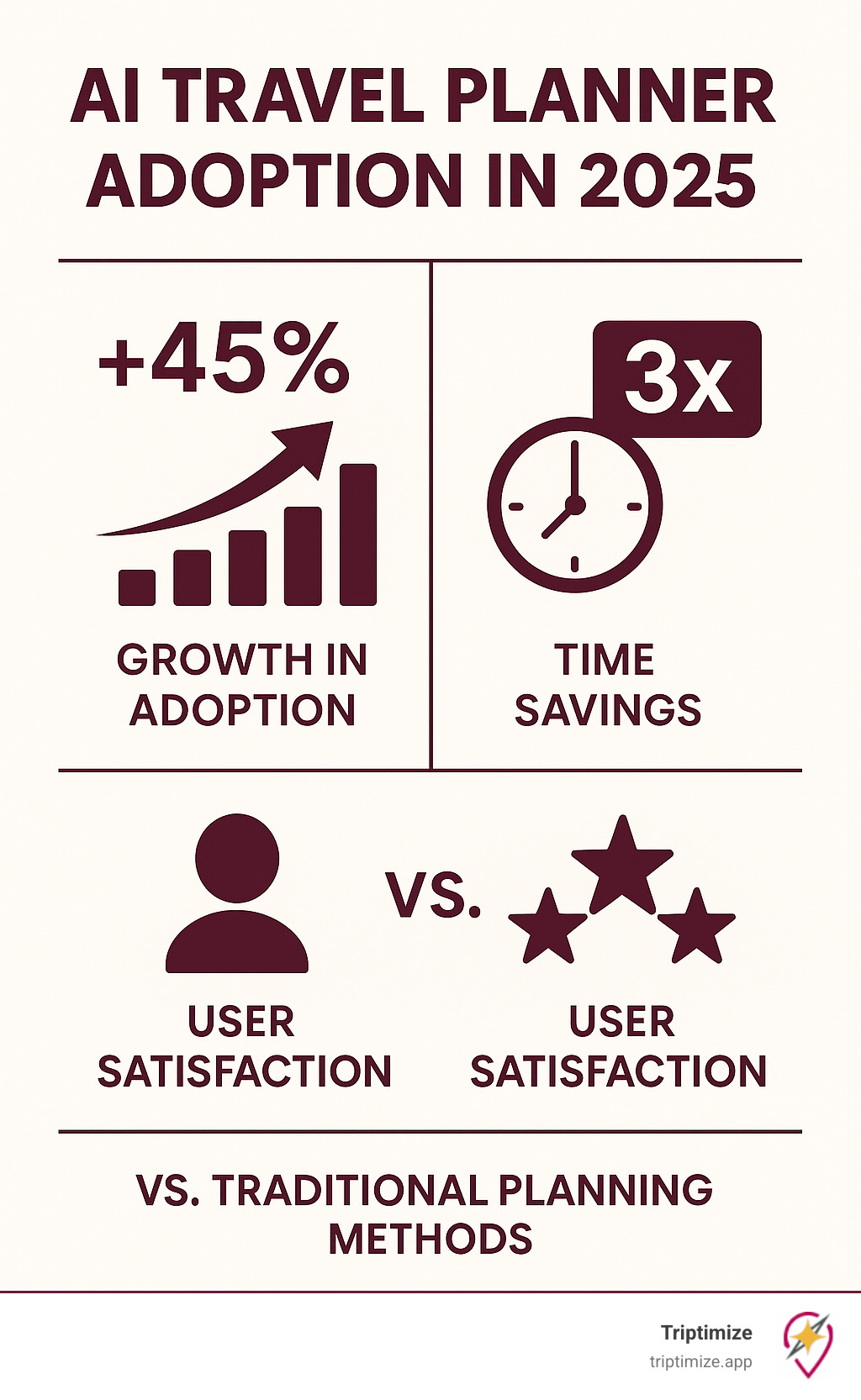
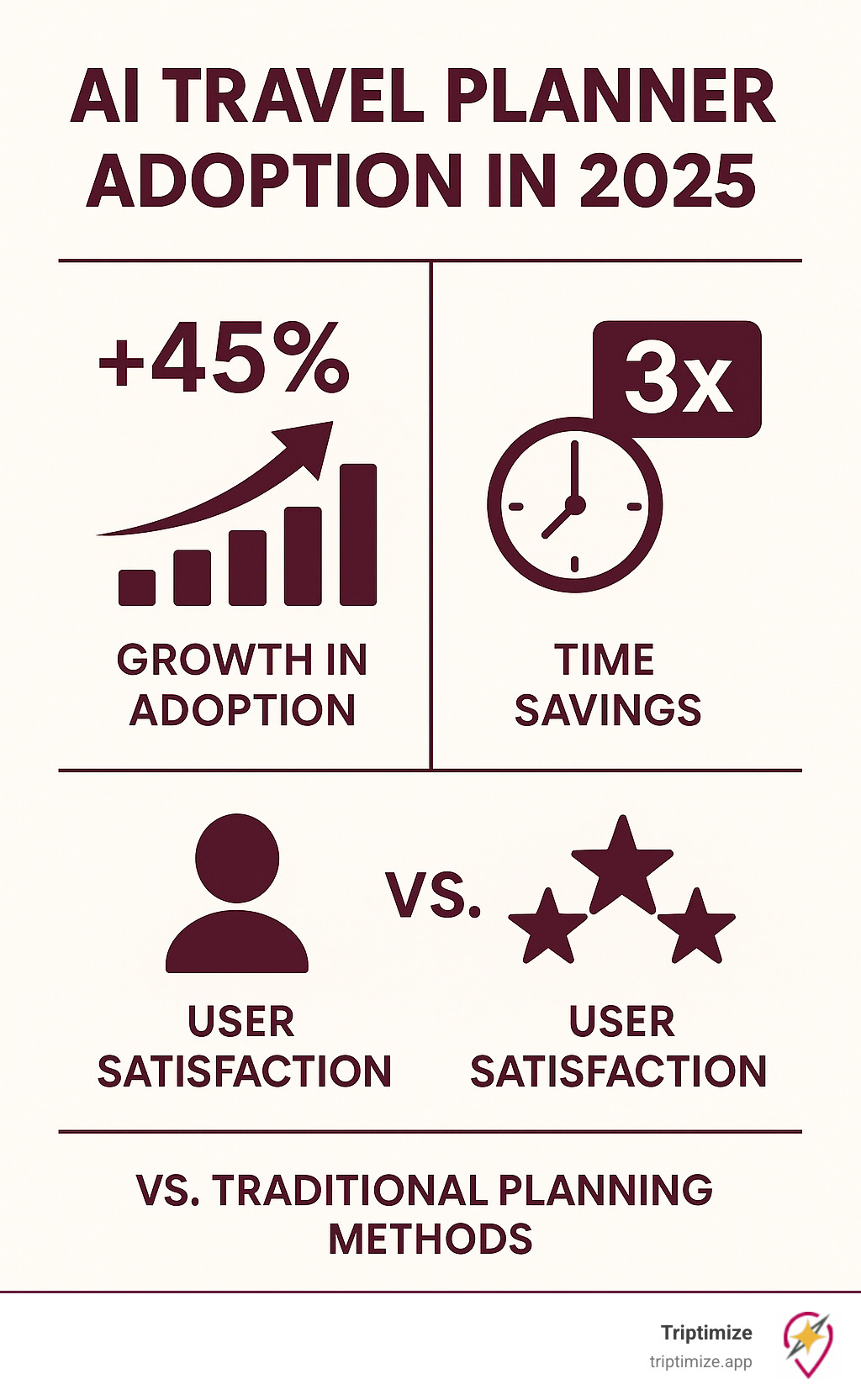
The claim that AI-powered trip planning could cut travel costs by 40% by 2026 sounds ambitious, and frankly, a little too good to be true at first glance. But a closer look at the tools emerging – like iMean AI and Layla.ai – reveals how these savings are becoming increasingly realistic. The biggest gains aren't coming from a single magic bullet, but from a combined effect of efficiency and personalization in areas where travelers traditionally overspend: flights, accommodation, and activity planning.
Traditionally, planning a trip involved hours of searching multiple websites, comparing prices, and hoping to snag a deal. AI streamlines this process by automating much of the legwork. These tools don’t just compare prices; they predict them, identify optimal booking windows, and even suggest alternative destinations based on your budget and preferences. It’s about shifting from reactive searching to proactive planning.
Three key AI functions drive these savings. Price prediction algorithms analyze vast datasets to forecast flight and hotel costs. Dynamic packaging intelligently combines different travel components – flights, hotels, activities – to create custom itineraries at lower overall prices. Personalized recommendations, driven by user data, ensure you’re not wasting money on things you won’t enjoy. Remember that 40% is an average; your individual savings will depend on your travel style, destination, and booking flexibility.
These platforms augment, not replace, the joy of discovery. They handle tedious tasks, freeing you to focus on travel's exciting aspects. They make smart travel more accessible without removing the human element.
Flight Finds: AI's Edge in Predicting Price Swings
Flights are often the single biggest expense for travelers, and AI is making significant inroads in helping people find better deals. Unlike traditional flight comparison sites that simply display current prices, AI algorithms analyze historical data, current demand, seasonality, and a host of external factors – like fuel prices, geopolitical events, and even airline pricing strategies – to predict future price fluctuations. This allows these tools to identify optimal booking windows and alert users when prices are expected to drop.
For example, an AI-powered planner might identify that flights to Rome are typically cheapest when booked 60-90 days in advance, but also flag a potential price dip in the next week due to a temporary reduction in demand. This is information a human planner might miss or take hours to uncover. These tools go beyond simply finding the lowest price today; they aim to find the lowest price for you, at the right time.
However, AI isn't clairvoyant. Unexpected events – a major weather event, a political crisis, or a sudden surge in demand – can disrupt even the most accurate predictions. The trend of 'hidden city' ticketing, where travelers book flights with connections they don’t intend to take to save money, is also a factor. While some AI tools may help identify these opportunities, exploiting them can be risky and may violate airline terms of service.
Pricing prediction is improving rapidly, but it's not a guarantee. Use these tools as a powerful aid, but always double-check with the airline directly before making a final decision. Don't rely solely on AI predictions.
Beyond Hotels: Smarter Accommodation Choices
AI isn’t solely focused on finding cheaper hotels; it's about finding the right accommodation for you. This means considering a much wider range of factors than just price and location. AI algorithms analyze user preferences – budget, travel style, desired amenities, even preferred neighborhood vibes – to suggest alternatives to traditional hotels. This can include vacation rentals, guesthouses, hostels, boutique hotels, or even unique stays like treehouses or houseboats.
The benefit of this approach is twofold: it expands your options and increases the likelihood of finding a place that truly matches your needs. It also helps uncover hidden gems that might not appear on mainstream booking sites. AI can identify smaller properties with excellent reviews and competitive rates, offering a more authentic and personalized travel experience.
Furthermore, AI can help navigate the complexities of 'dynamic pricing' in the hotel industry, where rates fluctuate based on demand and occupancy. By analyzing historical data and current market conditions, AI tools can identify when prices are likely to be lower and recommend the best time to book. Understand pricing algorithms and work with them, not against them.
Ultimately, the goal is to move beyond simply finding the cheapest hotel and towards finding the accommodation that provides the best value and enhances your overall travel experience.
Alternative Accommodations Recommended by AI
- Farm Stays - Immerse yourself in rural life with a stay on a working farm. Often include opportunities to participate in farm activities and enjoy fresh, local produce. Expect a range of amenities, from basic rooms to luxurious cottages.
- Glamping Sites - 'Glamorous camping' combines the experience of being outdoors with the comforts of a hotel. Options range from yurts and safari tents to treehouses and cabins, frequently including amenities like comfortable beds, private bathrooms, and even kitchenettes.
- Eco-Lodges - Focused on sustainability and minimizing environmental impact, eco-lodges offer a unique travel experience. They are often located in remote, natural settings and prioritize conservation efforts.
- Houseboats - Renting a houseboat provides a unique and often affordable accommodation option, particularly on lakes and rivers. Many houseboats are fully equipped with kitchens, bathrooms, and living areas, offering a self-catering experience.
- Converted School Buses (Skoolies) - Increasingly popular, converted school buses offer a quirky and budget-friendly alternative to traditional hotels. Available through platforms like Airbnb, they range from basic to surprisingly luxurious.
- Hostel Private Rooms - While hostels are known for dorms, many now offer private rooms with ensuite bathrooms, providing a budget-friendly alternative to hotels with more social atmosphere. HI USA is a well-known provider.
- Castle Stays - For a truly unique experience, consider staying in a historic castle. Options range from fully restored, luxurious castles to more rustic accommodations. Prices vary greatly depending on location and amenities. Airbnb often lists castle stays.
Dynamic Packages: The Power of Bundling, Reimagined
Traditional travel packages often feel inflexible and overpriced, forcing you to accept pre-defined itineraries with limited customization options. AI is disrupting this model by enabling the creation of dynamic packages – custom bundles of flights, accommodation, activities, and transportation tailored to your specific needs and preferences. This isn't simply about combining a few elements; it’s about identifying synergies and optimizing the entire travel experience.
AI algorithms analyze data points to create these packages, considering price, travel time, convenience, and your interests. For instance, it might suggest bundling a morning cooking class with an afternoon museum visit to minimize travel time and maximize cultural immersion. The tools can also identify opportunities to save money by combining elements in unexpected ways.
The real power of dynamic packaging lies in its ability to optimize the order of activities. AI can analyze traffic patterns, event schedules, and attraction opening hours to create an itinerary that minimizes wasted time and maximizes efficiency. This can be particularly valuable in busy cities or during peak season.
Be aware of potential downsides. Dynamic packages can feel restrictive, and you might lose flexibility if you need to make changes to your itinerary. Carefully review the terms and conditions before booking, and make sure the package aligns with your travel goals.
Travel Technology Stocks: AI-Powered Booking Platform Performance
Market data as of December 2024 - Companies leveraging AI for dynamic travel pricing
| Asset | Current Price | 24h | 7d | 30d | Market Cap |
|---|---|---|---|---|---|
| Booking Holdings Inc BKNG | $4,125.50 | +1.2% | +3.8% | +8.5% | $154.2B |
| Expedia Group Inc EXPE | $178.25 | -0.8% | +2.1% | +15.3% | $22.8B |
| Airbnb Inc ABNB | $135.75 | +2.5% | +4.2% | +11.7% | $89.4B |
| TripAdvisor Inc TRIP | $14.85 | -1.5% | -2.3% | +6.8% | $2.1B |
| MakeMyTrip Limited MMYT | $98.40 | +3.1% | +7.2% | +22.4% | $11.2B |
| Trip.com Group Limited TCOM | $52.30 | +1.8% | +5.5% | +18.9% | $35.7B |
Analysis Summary
Travel technology stocks show mixed performance with AI-focused platforms outperforming traditional booking sites. Asian markets (MMYT, TCOM) lead gains as dynamic packaging adoption accelerates, while established players (BKNG, ABNB) maintain steady growth despite market saturation concerns.
Key Insights
- MakeMyTrip leads with +22.4% monthly gains, benefiting from India's growing travel market and AI implementation
- Booking Holdings maintains market dominance with $154B market cap, leveraging AI for dynamic pricing optimization
- TripAdvisor lags peers with smallest market cap at $2.1B, struggling to compete with integrated booking platforms
- Asian travel platforms (TCOM, MMYT) outperform Western counterparts, driven by post-pandemic recovery and AI adoption
Prices reflect recent market data for publicly traded travel technology companies. Performance metrics based on closing prices and market capitalization calculations.
Disclaimer: Stock prices are highly volatile and subject to market fluctuations. Data is for informational purposes only and should not be considered investment advice. Always do your own research before making investment decisions.
Personalized Itineraries: AI as Your Travel Agent
This is where AI truly shines, moving beyond cost savings to deliver a more enriching and personalized travel experience. AI algorithms analyze a wealth of user data – travel history, stated preferences, social media activity, even browsing patterns – to create itineraries that are tailored to your individual interests and passions. This goes far beyond suggesting popular tourist attractions; it’s about recommending hidden gems, local experiences, and activities that resonate with your unique personality.
Imagine an AI planner recognizing your love of photography and suggesting a sunrise hike to a secluded viewpoint, or identifying a local jazz club based on your musical tastes. This level of personalization is simply not possible with traditional travel planning methods. It's about turning a generic vacation into a bespoke adventure.
AI can adapt itineraries in real-time based on changing conditions. If a museum is unexpectedly closed, it can suggest an alternative activity nearby. If the weather turns foul, it can recommend an indoor experience. Create a trip that is flexible and responsive to your needs.
This level of personalization raises privacy concerns. It's important to choose AI trip planners that are transparent about their data collection practices and provide you with control over your personal information.
The Human Element: When AI Needs a Helping Hand
Despite its power, AI is not a perfect solution for all travel planning needs. It can struggle with complex travel arrangements – multi-city itineraries with intricate connections, visa requirements, or special needs accommodations. It can also fall short when dealing with unexpected situations – flight cancellations, lost luggage, or medical emergencies. And crucially, it lacks the nuanced cultural understanding and empathy of a human travel agent.
This is where hybrid models come into play, combining the efficiency of AI-powered tools with the expertise of human travel agents. Layla.ai, for example, explicitly highlights its ability to connect users with human experts when needed. This allows travelers to leverage the best of both worlds: the speed and convenience of AI for initial planning, and the personalized support of a human agent for complex issues or unforeseen circumstances.
The role of the travel agent is not being eliminated; it’s being enhanced. AI empowers agents to be more efficient, providing them with access to a wider range of data and tools. This allows them to focus on providing higher-value services, such as building relationships with clients and offering expert advice.
Ultimately, the most successful travel experiences will likely involve a combination of AI and human support. It’s about using technology to streamline the planning process, while still retaining the human touch that makes travel so rewarding.
Looking Ahead: The Future of AI and Travel Costs in 2026 and Beyond
The advancements in AI-powered trip planning are only just beginning. In the next few years, we can expect to see even more sophisticated algorithms, deeper personalization, and seamless integration with other technologies. The potential for further cost savings is significant, but the benefits extend beyond just price.
We might see the integration of virtual reality (VR) and augmented reality (AR) to allow travelers to preview destinations before booking, or even experience them remotely. Blockchain technology could be used to create more secure and transparent booking systems, reducing fraud and increasing trust. Perhaps the most exciting development will be the rise of truly dynamic itineraries that evolve in real-time based on your preferences and changing conditions.
However, it’s also important to address the ethical considerations of AI in travel. We need to ensure that these tools are not perpetuating bias, exploiting local communities, or contributing to unsustainable tourism practices. Transparency and accountability will be crucial.
I believe the biggest change won't be simply cheaper travel, but a fundamental shift in how we experience travel. Instead of meticulously planning every detail in advance, we'll have trips that adapt and evolve with us, responding to our needs and interests in real-time. The future of travel isn’t about finding the perfect itinerary; it’s about creating the perfect journey, one moment at a time.
European Vacation Cost (7-day) Price Prediction 2026
Bull / Base / Bear scenario analysis
| Timeframe | Bull Case | Base Case | Bear Case | Key Driver |
|---|---|---|---|---|
| 1 Month | $2,650 | $2,720 | $2,780 | Early AI adoption by major booking platforms |
| 3 Months | $2,450 | $2,590 | $2,740 | Seasonal pricing optimization and increased competition |
| 6 Months | $2,200 | $2,420 | $2,680 | Widespread AI tool deployment and dynamic pricing |
| 1 Year | $1,890 | $2,240 | $2,590 | Full market penetration of AI-powered trip planning |
Price Prediction Summary
European vacation costs are expected to decline significantly as AI-powered trip planning tools mature and achieve widespread adoption. The base case scenario projects a 20% cost reduction over 12 months, with potential savings reaching 32% in the most optimistic scenario as smart algorithms optimize booking timing, route selection, and accommodation choices.
Key Factors Affecting European Vacation Cost (7-day) Stock Price
- AI algorithm sophistication and market penetration rates
- Traditional travel industry resistance and adaptation speed
- European tourism demand fluctuations and capacity constraints
- Regulatory changes affecting dynamic pricing and data usage
Disclaimer: Predictions are speculative and not financial advice. Stock price predictions are based on current market analysis and may vary significantly due to market volatility, economic conditions, and other unpredictable factors. Always do your own research before making investment decisions.
No comments yet. Be the first to share your thoughts!