

Skiing Colorado vs. Camping Hawaii
The skiing Colorado cost for a standard five-day trip for two people typically lands between $3,000 and $4,500, driven largely by daily lift tickets, gear rentals, and mountain lodging. In contrast, a comparable five-day camping trip in Hawaii usually ranges from $1,200 to $2,000 for two people, with expenses anchored by campsite fees, vehicle rentals, and groceries.
The primary financial difference stems from daily operational costs. Skiing requires expensive daily passes and often pricey on-mountain dining, while camping shifts the budget toward upfront gear or rental costs and lower daily food expenses. The table below breaks down these estimated totals based on a 5-day itinerary for two adults.
| Category | Skiing Colorado (5 Days, 2 People) | Camping Hawaii (5 Days, 2 People) |
|---|---|---|
| Lift Tickets / Park Fees | ~$1,200 | ~$60 |
| Accommodation | ~$1,000 | ~$300 |
| Gear Rentals | ~$0 | |
| Food & Drink | ~$600 | ~$300 |
| Transportation (Local) | ~$200 | ~$400 |
| Total Estimated Cost | ~$3,400 | ~$1,260 |
Breaking down skiing costs
Understanding the skiing Colorado cost requires looking at the specific line items that make up the final bill. Unlike a flat-rate destination, Colorado’s expenses are cumulative, with each day adding significant weight to your total budget. The difference between a manageable vacation and a financial strain often comes down to how these individual costs interact.
Lift tickets: the biggest variable
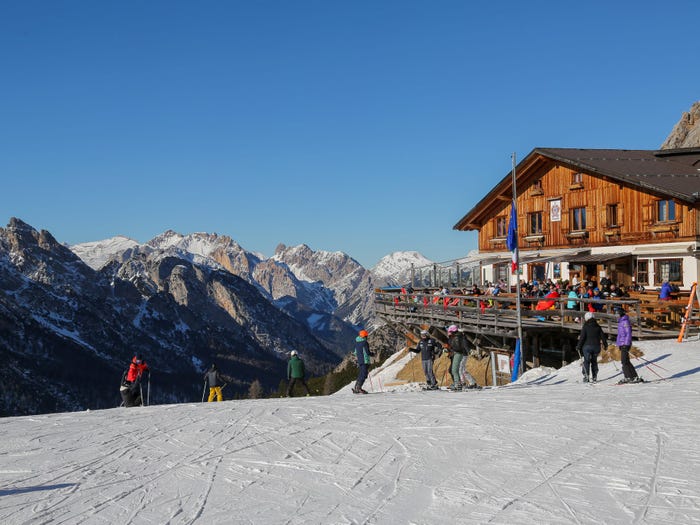
The single largest expense for most visitors is the lift ticket. Prices fluctuate wildly based on the resort, the day of the week, and how far in advance you book. At major resorts like Vail or Beaver Creek, a single-day adult pass can easily exceed $200, especially during peak winter holidays. OnTheSnow tracks these real-time rates, showing that last-minute purchases often carry a steep premium compared to buying a season pass or multi-day bundle early. For a typical week-long trip, lift tickets alone can account for more than half of your total ski budget.
Lodging and location premiums
Where you stay directly impacts your daily burn rate. Accommodations in ski towns like Aspen or Telluride command a premium due to limited inventory and high demand. A standard hotel room can range from $150 to over $1,000 per night depending on proximity to the slopes. While staying slightly outside the main town centers can save money, it often requires additional transportation costs. Airbnb and vacation rentals offer alternatives, but they come with cleaning fees and minimum stay requirements that can further inflate the per-night cost.
Gear rentals and daily essentials
If you don’t own your own equipment, rentals are a necessary expense. A full set of skis, boots, and poles typically runs between $40 and $100 per day, depending on the quality of the gear and the rental shop. Food and drink add another layer of cost; a simple lunch at a mountain lodge can cost $30 per person, while dinner in town often exceeds $50. These daily recurring costs are easy to underestimate, turning a moderate trip into an expensive one if not carefully monitored.
Estimating camping Hawaii costs
While the skiing Colorado cost is driven by steep lift tickets, rental gear, and mountain lodging, a Hawaii camping trip shifts those expenses toward travel and permits. The base price of sleeping under the stars is nearly zero, but the logistical overhead to reach an island and secure legal camping spots creates a different financial structure.
The largest single expense is almost always the airfare. Flights to Hawaii vary wildly by season and origin, often ranging from $300 to $800 per person roundtrip. Once you land, the cost of living is significantly higher than on the mainland, meaning groceries, gas, and meals will eat into your budget faster than they would in a typical US camping scenario. A simple dinner for two at a local spot can easily exceed $50, compared to the $30-per-meal estimate often cited for ski towns.
Camping permits are the next major variable. State parks like Hanauma Bay or popular beach parks in Maui and Kauai require reservations that can cost $30 to $50 per night per vehicle. These spots fill up months in advance. If you opt for free dispersed camping on public lands, you save money but sacrifice amenities and convenience, often requiring a 4x4 vehicle which adds to your rental car costs.
Finally, gear and activity costs differ. You won't need ski passes or snowboard rentals, but you might need snorkel gear, dive tours, or shuttle services to reach remote beaches. A single guided snorkel tour can run $80–$120 per person, a cost that has no direct equivalent in a self-guided ski trip. Overall, while the daily "on-mountain" cost of skiing is high, the total trip cost for camping in Hawaii is heavily front-loaded into travel and permits, making it a different kind of budget challenge.
Hidden expenses to watch for
The base price of a lift ticket or a campsite rarely tells the full story. When you break down the skiing Colorado cost, the real budget drain often comes from add-ons that are easy to overlook until you’re already on the mountain. Similarly, a Hawaii camping trip might seem cheap until you factor in the logistics of island living.
Skiing: The Mountain Add-Ons
Gear rental is the most common surprise. If you don’t own boots, poles, or skis, expect to pay $40–$100 per day per person. This isn’t just for the equipment; it’s also for the time spent fitting and adjusting. Food costs inside resort areas are notoriously high, with meals often ranging from $30 to $50 per person. Parking at major resorts like Vail or Breckenridge can also run $30–$40 per day, adding up quickly over a week-long trip.
Hawaii: The Island Logistics
Camping in Hawaii requires more than just a tent. You’ll need to budget for vehicle rental, which is significantly more expensive on islands than on the mainland. Gas prices on Maui or the Big Island are often 20–30% higher than the national average. Many popular campgrounds require reservations months in advance and charge fees for firewood, water access, or shower facilities. Don’t forget the cost of cooler bags and durable gear, as humidity and salt air can ruin standard equipment quickly.
Choosing between the two trips
The final decision often comes down to what kind of energy you want to bring home. If your priority is adrenaline, the skiing Colorado cost is an investment in high-intensity recreation. You are paying for vertical feet, cold air, and the rush of hitting the slopes. This trip is about activity and achievement, where the budget covers lift tickets, rentals, and the gear required to stay warm and safe on the mountain.
In contrast, a Hawaii camping trip is an investment in restoration. The lower upfront cost buys you time to decompress, connect with nature, and experience a tropical climate without the logistical headaches of winter sports. You are trading the structured schedule of ski resorts for the freedom of hiking volcanoes, snorkeling reefs, and sleeping under the stars.
Choose Colorado if you crave the physical challenge of winter sports and don't mind a higher price tag for the experience. Choose Hawaii if relaxation and natural beauty are your main goals, and you prefer a more flexible, budget-friendly itinerary.
Frequently asked questions about trip costs
Understanding the skiing Colorado cost requires looking beyond the lift ticket, as accommodation, gear, and meals often drive the final price. Whether you are comparing this to a beach vacation or planning your own budget, here are the most common questions travelers ask.
No comments yet. Be the first to share your thoughts!