

Daily costs for Colorado skiing
A typical day on the slopes in Colorado carries a steep price tag, driven primarily by lift tickets and lodging. For a solo skier or a couple without a season pass, the baseline daily expense often exceeds $400 before accounting for gear rentals, meals, or parking.
Lift tickets are the single largest line item. At major resorts like Vail, Breckenridge, or Aspen, a one-day adult ticket frequently ranges from $200 to over $300. Even mid-sized mountains charge between $150 and $200 for a day pass. OnTheSnow tracks these rates closely, showing that buying tickets day-of at the window is significantly more expensive than purchasing online in advance. The average season pass across Colorado resorts hovers around $850, making the per-day cost of a single ticket feel particularly punitive for occasional visitors.
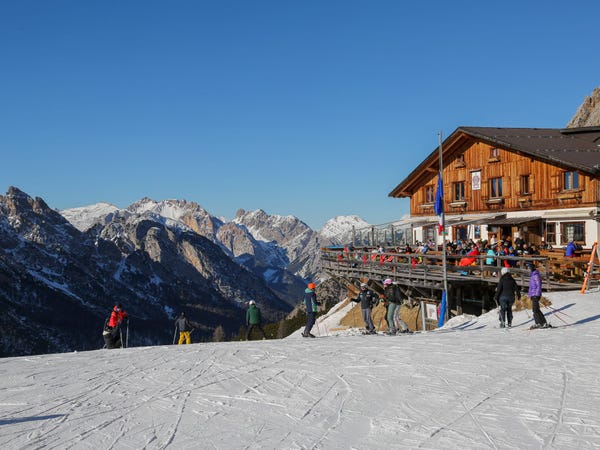
Lodging adds another layer of expense. Base village hotels and condos in popular destinations like Keystone or Telluride can range from $200 to over $1,000 per night depending on proximity to lifts and the time of year. During peak weeks like Christmas or Presidents' Day, prices spike dramatically. For budget-conscious travelers, staying in nearby towns like Glenwood Springs or Salida can reduce lodging costs by 30-50%, but you must factor in 45-90 minutes of daily driving time.
Food and rentals round out the daily total. A simple lunch at a base lodge runsheet typically costs $20-$30 per person, while dinner at a mountain-top restaurant can easily exceed $50. If you don't own equipment, daily rentals for skis, boots, and poles run $40-$80 per day. When you combine a $250 lift ticket, $300 lodging, $100 for food, and $60 for rentals, a single day of skiing can cost nearly $700 per person.
Daily costs for Hawaii camping
Camping in Hawaii sounds like a budget-friendly escape, but the actual daily expenses often rival or exceed the cost of a ski resort stay. While you save on lodging by pitching a tent, the island premiums on everything else quickly add up. To budget accurately for a Hawaii camping trip, you need to account for three main pillars: campsite reservations, vehicle rentals, and grocery markups.
Campsite fees and permits
Campgrounds on Oahu, Maui, and the Big Island are in high demand, especially during peak seasons. A standard tent site at a state park like Poipu Beach on Kauai or Hanauma Bay on Oahu typically runs between $30 and $50 per night. However, these spots fill up months in advance through the state’s reservation system.
If you prefer private campgrounds, expect to pay $40–$60 per night for a site with full hookups or amenities. Some islands, like Lanai, have limited public camping options, forcing visitors into more expensive private resorts or hotel rooms. Always check if your chosen site requires a separate vehicle entry fee, which can add another $5–$10 daily.
Vehicle rental costs
You cannot camp in Hawaii without a car. Public transportation is limited and rarely reaches the best campgrounds or hiking trailheads. Renting a compact car in Hawaii costs significantly more than on the mainland, often ranging from $60 to $100 per day depending on the season and agency. SUVs or trucks, which are preferable for rougher island roads, can push daily rental costs to $120–$150.
Gas prices in Hawaii are consistently among the highest in the U.S., often exceeding $5.00 per gallon. Factor in $20–$30 daily for fuel if you plan to drive between campgrounds, beaches, and trailheads. Insurance and additional driver fees can add another $10–$20 per day, making the vehicle your largest daily expense after food.
Food and grocery markups
Most of Hawaii’s food is imported, leading to grocery prices that are 50–100% higher than mainland averages. A basic grocery trip for two people, including breakfast items, lunch supplies, and dinner ingredients, can cost $80–$120 per day if you cook all your meals. This is significantly more than the $30–$50 you might spend on similar groceries on the mainland.
Eating out is even more expensive. A casual lunch at a local plate lunch spot runs $15–$25 per person, while dinner at a mid-range restaurant can easily exceed $40 per person. If you plan to buy alcohol or specialty items, expect additional premiums. Budgeting $50–$75 per person per day for food ensures you can enjoy local cuisine without breaking the bank, though cooking most meals is the only way to keep daily costs under $100 per person.
Lodging and gear expenses compared
Where you sleep and how you move through the terrain define the baseline cost of these two vacations. A Colorado ski trip demands high-end gear and expensive mountain lodging, while a Hawaii camping trip relies on bringing your own equipment and sleeping in nature.
Mountain hotels and ski rentals
Staying near a Colorado ski resort means paying a premium for proximity. Hotel rates in towns like Breckenridge or Vail range from $150 to over $1,000 a night depending on the season and distance from the lifts. You also need to rent skis, boots, and poles, which typically costs $40 to $100 per day at the resort base. These are non-negotiable costs if you plan to hit the slopes without hauling your own gear across the country.
Hawaii campsite rates and gear
In Hawaii, the lodging alternative is often a campsite within state or national parks. Tent sites usually run $20 to $40 per night, a fraction of the cost of a mountain hotel. Since you are likely bringing your own camping gear (tent, sleeping bag, stove), there are no daily rental fees. The trade-off is the logistical effort of packing and transporting bulky equipment to the islands.
Side-by-side cost comparison
The following table breaks down the average nightly and daily costs for lodging and essential gear, highlighting the significant price gap between resort-based skiing and self-supported camping.
| Category | Colorado Ski Trip | Hawaii Camping |
|---|---|---|
| Lodging (per night) | $150 - $1,000+ (Hotel) | $20 - $40 (Campsite) |
| Essential Gear (per day) | $40 - $100 (Ski Rentals) | $0 (Bring Your Own) |
| Total Daily Base Cost | $190 - $1,100+ | $20 - $40 |
The data shows that lodging and gear alone can make a Colorado ski trip 5 to 10 times more expensive than a Hawaii camping trip. While Hawaii offers a lower barrier to entry for accommodation, remember that flight costs to Hawaii are often higher than flights to Denver, which you should factor into your total budget.
Total trip budget for a week
To compare these destinations fairly, we need a concrete bottom line. We calculated a seven-day budget for one person in each location, including round-trip airfare. This approach strips away variable luxury choices and focuses on the standard costs of getting there, staying nearby, and covering daily essentials.
A week of skiing in Colorado typically lands between $2,000 and $2,500. This estimate assumes a moderate lift ticket around $200 per day, a mid-range hotel near the slopes, and basic dining. The cost is driven heavily by lift tickets and gear rentals, which are non-negotiable expenses for the sport. As noted in recent industry reports, average season pass prices hover near $850, signaling that daily lift costs remain high for occasional visitors [[src-serp-7]].
Camping in Hawaii presents a different cost structure, generally totaling $1,200 to $1,600 for the same week. While flights to Hawaii are often more expensive than flights to Denver or Salt Lake City, the daily on-the-ground costs are significantly lower. You are paying for fuel, campsite fees, and groceries rather than premium resort access. The trade-off is clear: Colorado demands a higher upfront investment for access, while Hawaii requires a larger commitment for travel but saves money on daily activities.
The difference is stark. Skiing Colorado costs roughly 60% more than camping Hawaii for a one-person week. This gap widens if you choose high-end lodging in Colorado or upgrade to a rental car and guided tours in Hawaii. For most budget travelers, the Hawaii option leaves more room in the wallet for souvenirs or extra excursions.
When to book to cut costs
Timing is the single biggest lever for controlling your skiing Colorado cost and camping Hawaii cost. Both destinations have predictable high and low seasons, but the price drops happen at different times of the year.
Skiing: Go Mid-Week and Off-Peak
Ski resorts charge premium rates for weekends and holidays. A single lift ticket at a major Colorado resort can cost $200–$300 on a Saturday, but drop significantly if you ski Tuesday through Thursday.
To minimize the skiing Colorado cost, avoid Christmas week, Presidents’ Day, and spring break. The best value usually appears in early January after New Year’s or in late March when the crowds thin out but the snow remains. Booking lift tickets online in advance, rather than at the window, often secures an additional 10–20% discount.
Camping: Target Shoulder Seasons
Hawaii’s peak season runs from mid-December to mid-April. During these months, campsite availability is scarce and prices for gear rentals and nearby lodging spike. To lower your camping Hawaii cost, aim for the shoulder seasons: May, June, September, and October.
These months offer fewer tourists, better weather stability than the rainy winter, and more availability at popular sites like Hawaii Volcanoes National Park. Book campsites as soon as reservations open, often 60–90 days in advance, to secure the lowest nightly rates.
No comments yet. Be the first to share your thoughts!