

Real eco-adventure is more than marketing
The term 'eco-tourism' gets thrown around a lot, but honestly, it often feels like marketing. Too many tours claim to be sustainable while still contributing significantly to carbon emissions or offering minimal benefit to local communities. Genuine climate-conscious travel in 2026 is about actively minimizing your impact and prioritizing experiences that support conservation and local livelihoods.
Finding a zero-impact trip is nearly impossible. I focus on making better choices instead of perfect ones. This involves looking at how we get around and where we stay without overcomplicating the decision process.
Government policy is starting to move. The White House memo M-24-05 from December 2023 tells federal agencies to pick sustainable travel options. It only applies to government employees for now, but it shows that even large bureaucracies are finally acknowledging the carbon cost of a flight.
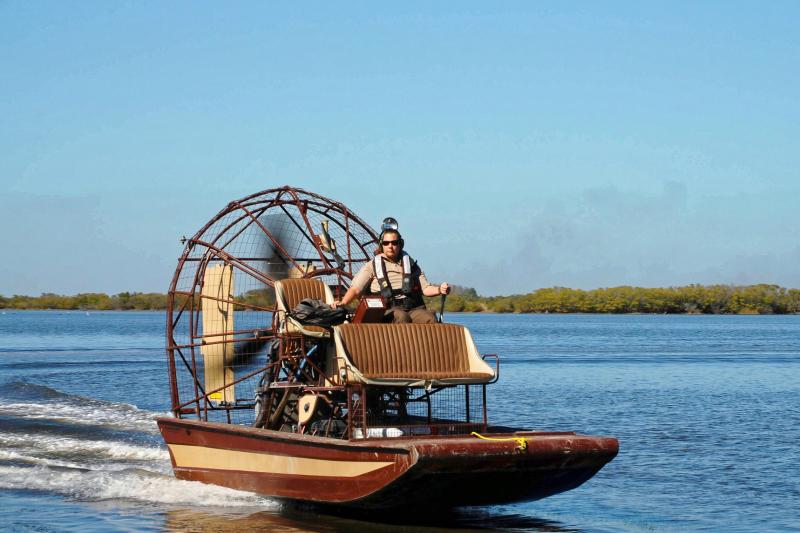
Transportation has the biggest impact
Getting to the destination is the biggest hurdle. Air travel is a massive carbon source, and I think most offsetting programs are a waste of money. Sustainable aviation fuels aren't a real solution yet because they are too expensive and rare. One flight from New York to London puts about 1.2 metric tons of CO2 into the air for every person on board.
Trains and buses are significantly lower-carbon alternatives, but they require more time. A train journey from New York to Montreal, for example, emits roughly 80% less CO2 than a comparable flight. The cost difference can be negligible, especially when factoring in baggage fees and airport transportation. Slower travel isn’t just better for the planet; it can also enhance your experience, allowing you to truly connect with the places you visit.
Regenerative travel takes this a step further. It’s about choosing journeys that actively improve the environment – perhaps by supporting local conservation projects along the way. Consider a cycling trip through a rural region, supporting local businesses and enjoying a slower pace of life. For a New York to Rome trip, flying might cost $800-$1200, while train travel (with connections) could be $600-$1000, plus the value of your time.
Transportation Options for the Climate-Conscious Traveler (2026)
| Transportation Method | Carbon Footprint | Cost | Time | Convenience | Scenic Value |
|---|---|---|---|---|---|
| Flying | High | Medium to High | Fast | High | Low to Medium |
| Train | Medium | Medium | Medium | Medium | High |
| Bus | Medium | Low | Slow | Low to Medium | Medium |
| Electric Car | Low (dependent on electricity source) | Medium to High (initial cost + electricity) | Medium to Slow | High | High |
| Hybrid Car | Medium to Low | Medium | Medium | High | High |
| Carpooling (Gas) | Medium | Low | Medium | Medium | Medium |
Illustrative comparison based on the article research brief. Verify current pricing, limits, and product details in the official docs before relying on it.
Eco-Lodges & Guesthouses
- Pacuare River Lodge, Costa Rica - Accessible only by 4x4 or raft, this lodge minimizes its footprint through hydroelectric power, composting toilets, and locally sourced organic food. They actively participate in rainforest conservation. Estimated cost: $120 - $145/night.
- Lapa Rios Ecolodge, Costa Rica - Situated on a 1,000-acre private rainforest reserve, Lapa Rios focuses on conservation through employment of local communities and protecting 250 acres of primary rainforest. They use solar power and sustainable building materials. Estimated cost: $130 - $150/night.
- Finca Rosa Blanca Coffee Plantation & Inn, Costa Rica - This organic coffee plantation and inn prioritizes sustainability through organic farming practices, water conservation, and waste reduction. They offer tours showcasing their eco-friendly methods. Estimated cost: $110 - $140/night.
- Soneva Fushi, Maldives - While generally a luxury resort, Soneva Fushi has a strong commitment to sustainability, including a waste management facility, organic gardens, and coral restoration projects. Some overwater bungalows can be found within the $150/night range during off-peak seasons. Estimated cost: $130 - $150/night (select bungalows, off-season).
- Gaia House, Nepal - Located in Kathmandu, Gaia House is a guesthouse committed to responsible tourism. They support local communities, promote cultural preservation, and operate with minimal environmental impact. Estimated cost: $30 - $50/night.
- Rancho Margot, Costa Rica - This self-sufficient ranch and eco-lodge generates its own electricity, grows its own food, and practices permaculture. They offer immersive experiences in sustainable living. Estimated cost: $90 - $120/night.
- El Silencio Lodge & Spa, Costa Rica - Nestled in the cloud forest, El Silencio Lodge focuses on reforestation, water conservation, and supporting local communities. They offer guided nature walks and sustainable tourism activities. Estimated cost: $140 - $150/night.

No comments yet. Be the first to share your thoughts!