
The Nomad Life: Costs in 2026
The digital nomad lifestyle continues to gain momentum, and 2026 promises even more opportunities for remote workers to explore the world. Driven by the increasing acceptance of remote work and a growing desire for location independence, more people than ever are trading traditional offices for co-working spaces in Bali, cafes in Lisbon, or even just a quiet corner with a view. But let’s be honest – the Instagram-worthy images often gloss over the financial realities.
The cost of being a digital nomad is… complicated. "Digital nomad" isn't a single lifestyle, it's a spectrum. Someone backpacking through Southeast Asia on $1,000 a month has a very different experience – and budget – than someone renting a stylish apartment in Barcelona and enjoying a more luxurious pace of life. Expect to spend more if you prioritize comfort, faster internet, and frequent travel.
I’ve seen so many people start this journey with unrealistic expectations, only to quickly burn through their savings. It's easy to underestimate expenses like visa fees, travel insurance, and the sheer cost of simply being somewhere new. But remember, your budget isn’t destiny. It’s a choice. You can absolutely travel on a shoestring, or you can splurge a little – the key is to plan accordingly.
This isn’t about deprivation, it’s about awareness. Understanding where your money goes, and actively making choices about how you spend it, is the foundation of a sustainable nomad lifestyle. Let’s break down what that looks like in practice, looking at different destinations and the costs associated with them.

Destination Deep Dive: Cost Tiers
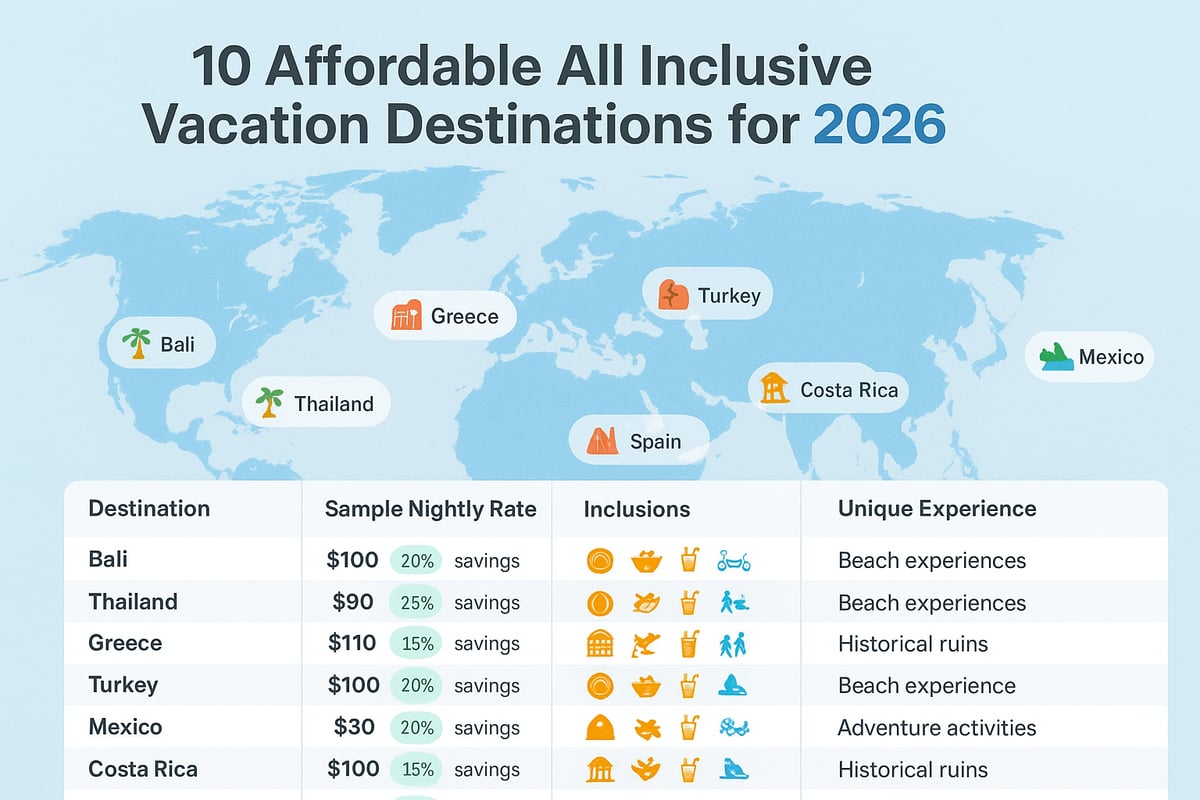
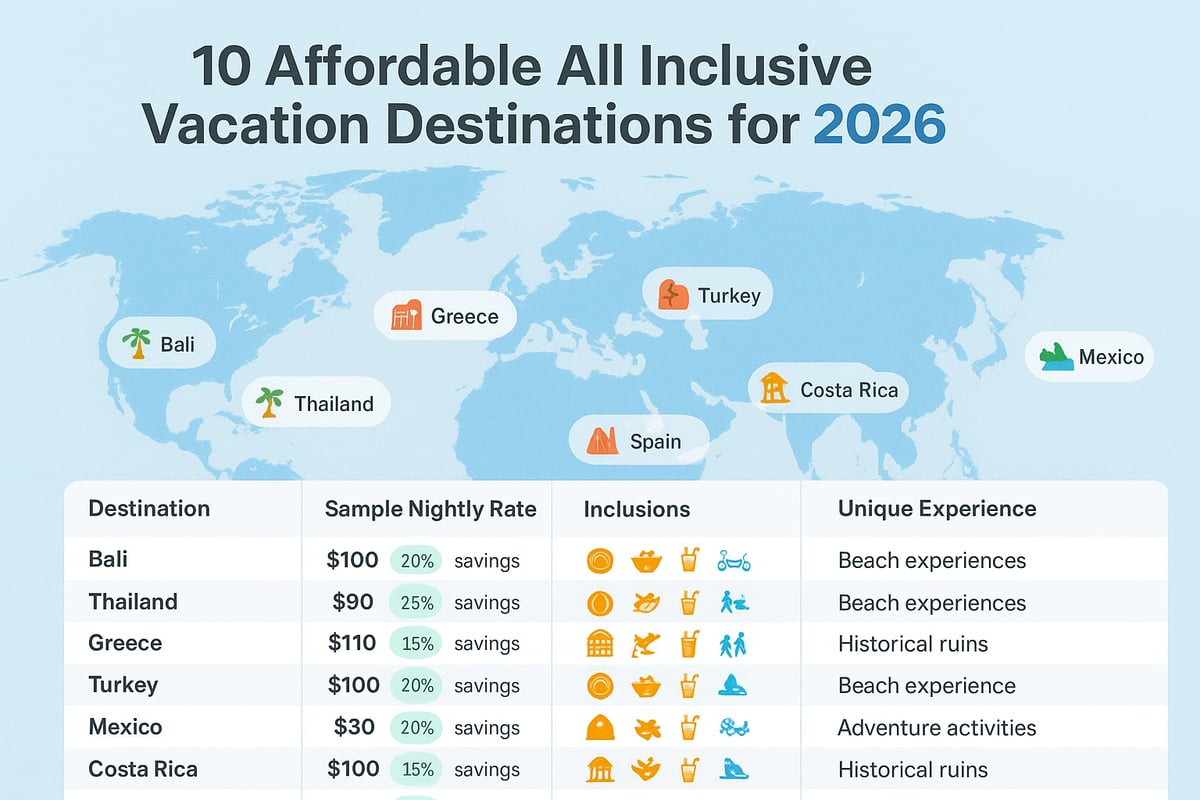
One of the biggest factors influencing your digital nomad budget is, unsurprisingly, where you choose to base yourself. I like to categorize destinations into three broad tiers: Budget, Mid-Range, and Luxury. These aren’t hard and fast rules, but they provide a useful framework for planning.
Budget destinations (think Southeast Asia – Thailand, Vietnam, Indonesia – and Eastern Europe – Romania, Bulgaria, Albania) generally offer the lowest cost of living. You can realistically live comfortably on $800 - $1,500 per month, including accommodation (hostels, guesthouses, or basic apartments), food (local cuisine is incredibly affordable), transportation (public transport or scooters), and a small buffer for entertainment. The Ohayu.com eSIM guide notes that data costs can be surprisingly high, so factor that into your budget.
Mid-Range destinations (Mexico, Portugal, Colombia, Argentina) strike a balance between affordability and comfort. Expect to spend around $1,500 - $3,000 per month. Accommodation options are more diverse, ranging from Airbnb apartments to boutique hotels. Food costs are still reasonable, but you’ll likely spend more on dining out and imported goods. Transportation is also more expensive, especially if you rely on taxis or ride-sharing services.
Luxury destinations (Western Europe – France, Germany, UK – Australia, North America) come with a significantly higher price tag. Monthly expenses can easily exceed $3,000, and often reach $5,000 or more. Accommodation is the biggest cost driver, followed by food and transportation. Facebook discussions among digital nomads reveal that a comfortable lifestyle in these locations, with occasional flights and dining out, can easily run $5,000 to $8,000 per month.
It's vital to remember that these are averages. Your individual spending will depend on your lifestyle, travel style, and personal preferences. A minimalist nomad who cooks most of their meals and relies on public transport will spend far less than someone who enjoys fine dining and frequent nightlife.
Digital Nomad Monthly Costs - 2026 Estimates (USD)
| Expense Category | Budget | Mid-Range | Luxury |
|---|---|---|---|
| Accommodation | Low: $500 - High: $1200 | Low: $1200 - High: $2500 | Low: $2500 - High: $5000+ |
| Food & Drink | Low: $300 - High: $600 | Low: $600 - High: $1200 | Low: $1200 - High: $2500+ |
| Transportation | Low: $100 - High: $300 | Low: $300 - High: $600 | Low: $600 - High: $1500+ |
| Entertainment | Low: $100 - High: $300 | Low: $300 - High: $600 | Low: $600 - High: $1200+ |
| Visas/Admin | Low: $50 - High: $200 | Low: $100 - High: $400 | Low: $200 - High: $800+ |
| Internet/Mobile | Low: $50 - High: $100 | Low: $100 - High: $200 | Low: $200 - High: $400+ |
| Total Monthly Cost | Low: $1100 - High: $2700 | Low: $2600 - High: $5500 | Low: $5100 - High: $11400+ |
Illustrative comparison based on the article research brief. Verify current pricing, limits, and product details in the official docs before relying on it.
Accommodation: Beyond the Hostel
Accommodation consistently represents one of the largest expenses for digital nomads. The days of only staying in hostels are largely behind us, though they remain a viable option for budget travelers. The rise of 'bleisure' travel – blending business and leisure – has driven demand for more comfortable and functional accommodation.
Hostels typically offer the cheapest rates, ranging from $10 - $30 per night for a dorm bed. Airbnb provides a wider range of options, from private rooms to entire apartments, with prices varying depending on location, size, and amenities. Coliving spaces are becoming increasingly popular, offering a combination of private accommodation and shared workspaces – expect to pay $500 - $1,500 per month. Long-term rentals (6+ months) can often secure the best rates, but require more commitment.
Seasonality plays a significant role in pricing. High season typically sees prices surge, while shoulder seasons (spring and fall) offer a sweet spot between good weather and lower rates. Be flexible with your dates if possible. I’ve found that even shifting your arrival by a week or two can save you a considerable amount of money.
Don't overlook the potential of house-sitting and pet-sitting. Platforms like TrustedHousesitters connect homeowners with travelers willing to care for their homes and pets in exchange for free accommodation. This can be a fantastic way to significantly reduce your expenses and experience a destination like a local.
- Hostels: $10 - $30/night
- Airbnb: Varies widely, $30 - $100+/night
- Coliving spaces: $500 - $1,500/month
- Long-term rentals: Variable, often best rates for 6+ months
- House-sitting/Pet-sitting: Free accommodation in exchange for care
Connectivity & Tools: Staying Online
Reliable internet access is non-negotiable for digital nomads. It’s your office, your connection to clients, and your lifeline to the world. While free Wi-Fi is readily available in many cafes and co-working spaces, it's often unreliable and insecure. Investing in a backup solution is crucial.
eSIMs, like those offered by Ohayu.com, provide a convenient and affordable way to access mobile data in multiple countries. They eliminate the need for physical SIM cards and offer flexible data plans. Portable Wi-Fi hotspots (MiFi devices) provide a dedicated internet connection, but require a separate data plan. A good VPN (Virtual Private Network) is essential for securing your connection and protecting your data, especially when using public Wi-Fi.
Beyond connectivity, you’ll need a suite of tools to manage your work. Project management software (Asana, Trello), video conferencing tools (Zoom, Google Meet), and cloud storage (Dropbox, Google Drive) are essential. Many of these tools offer free plans with limited features, but you may need to upgrade to a paid plan for more advanced functionality.
The cost of downtime – being unable to work due to internet outages or technical issues – can quickly outweigh the cost of investing in reliable connectivity. Don’t skimp on this aspect of your budget. It's a core business expense, not a luxury.
Healthcare & Insurance: Staying Protected
Traveling without adequate health insurance is a gamble you simply can’t afford to take. Medical emergencies can happen anywhere, and the cost of healthcare in some countries can be astronomical. It’s essential to research your options and choose a plan that provides comprehensive coverage.
There are several types of insurance plans available to digital nomads. Travel insurance typically covers emergency medical expenses, trip cancellations, and lost or stolen belongings. International health insurance offers more comprehensive coverage, including routine checkups and specialist care. Local health insurance may be an option if you plan to spend an extended period in one country.
Healthcare costs vary significantly by country. In some countries, healthcare is free or heavily subsidized, while in others, it can be extremely expensive. Research the healthcare system in each destination and understand your coverage options. Visa requirements often dictate health insurance stipulations, so be sure to check those as well.
Don’t assume that your existing health insurance policy will cover you while traveling abroad. Contact your insurance provider to confirm your coverage and understand any limitations. It’s better to be safe than sorry – the peace of mind that comes with knowing you’re protected is invaluable.
Unexpected Expenses: The Buffer
Digital nomad life isn’t always glamorous. Things will go wrong. Flights get delayed, laptops get stolen, and medical emergencies happen. Building a substantial buffer into your budget is crucial for weathering these storms.
I recommend setting aside at least 10-20% of your budget for unexpected expenses. This may seem like a lot, but it can save you from financial ruin when the inevitable happens. Common unexpected expenses include medical bills, lost or stolen equipment, visa extensions, flight changes, and currency fluctuations.
I’ve heard stories of nomads who had to cut their trips short due to unexpected medical bills, or who were stranded in a foreign country after their laptops were stolen. These situations are incredibly stressful and can be avoided with proper planning. A friend of mine had to pay $800 for an emergency vet visit for her dog while housesitting – a cost she hadn't anticipated.
The key is to be prepared for the unexpected. Having a financial cushion will give you peace of mind and allow you to handle whatever challenges come your way without derailing your entire trip.
What's the biggest unexpected expense you've encountered as a digital nomad?
Budgeting for remote work travel means planning for the surprises too. Whether it was a medical emergency abroad or a last-minute flight change, unexpected costs can throw off even the most carefully planned travel budget. Share your experience so fellow digital nomads can better prepare for their 2026 adventures. Vote below!
Budget Vision: Tracking Your Spending
Staying on top of your finances as a digital nomad requires discipline and a good tracking system. Budget Vision is a powerful tool specifically designed for this purpose. Its workflow is tailored to the unique needs of location-independent professionals.
According to the documentation on docs.budget.vision, Budget Vision allows you to track bills and recurring payments, plan for special occasions and goals, forecast your finances, and review your spending patterns. The platform also offers features for managing emergency funds and reducing debt.
The CTRL K interface makes it easy to set up and customize your budget. You can categorize your expenses, set spending limits, and monitor your progress in real-time. Regular expense tracking is essential for identifying areas where you can cut back and save money.
Budget Vision isn’t just about restricting your spending; it’s about gaining control of your finances and making informed decisions. By understanding where your money goes, you can create a sustainable budget that allows you to live the digital nomad lifestyle you’ve always dreamed of.
High-Cost Habits to Reconsider
It’s easy to fall into spending traps while living the digital nomad lifestyle. The constant exposure to new experiences and the desire to "live your best life’ can lead to impulsive purchases and unnecessary expenses. Let"s take a look at some high-cost habits to reconsider.
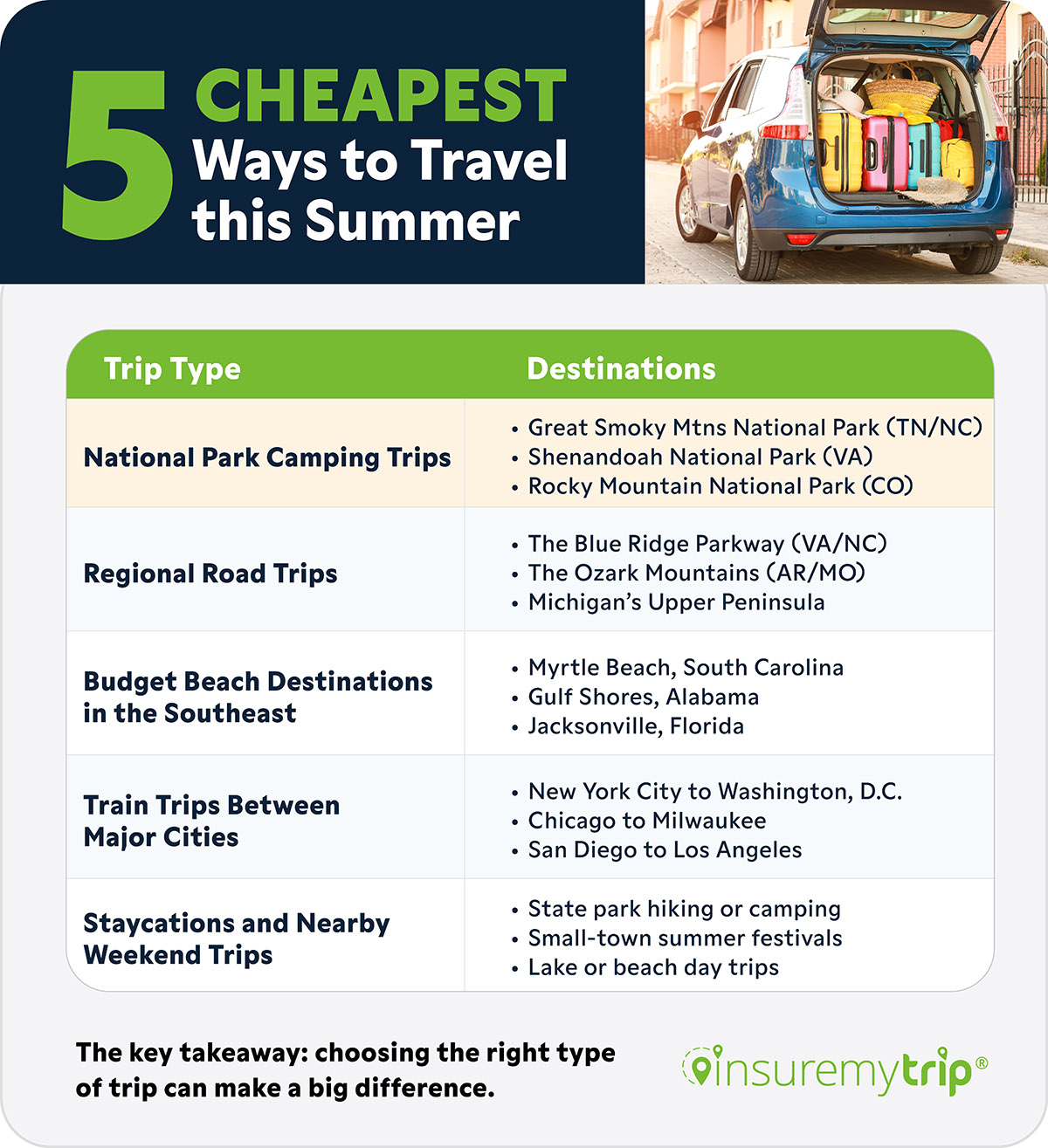
Frequent flights are a major budget killer. While the temptation to hop between destinations is strong, the cost of airfare can quickly add up. Consider slowing down and spending more time in each location. Opt for slower modes of transportation, such as buses or trains, when possible.
Eating out at expensive restaurants can also drain your funds. Cooking your own meals is significantly cheaper and healthier. Take advantage of local markets and learn to prepare regional dishes. A Facebook group discussion highlighted how much money some nomads spend on nightly dinners – easily exceeding $50 per person in some cities.
Excessive alcohol consumption and unnecessary shopping are other common pitfalls. Be mindful of your spending habits and prioritize experiences over material possessions. The pressure to "keep up appearances’ on social media can lead to overspending – remember that what you see online isn"t always reality.
Ultimately, the key to a sustainable digital nomad lifestyle is to be mindful of your spending and make conscious choices about how you allocate your resources. By cutting back on unnecessary expenses, you can free up more money for the things that truly matter – experiences, personal growth, and financial freedom.
No comments yet. Be the first to share your thoughts!