

The reality of budget camping in Hawaii
The idea of camping in Hawaii conjures images of pristine beaches, lush rainforests, and starry nights – all at a fraction of the cost of a resort vacation. It’s a dream many travelers share. But let’s be upfront: a truly cheap camping trip to Hawaii is increasingly difficult to pull off. Demand is high, permits are competitive, and the cost of everything—from flights to groceries—is elevated compared to the mainland.
Permits are the biggest hurdle. If you don't book them months in advance, you'll end up paying for last-minute hotels that destroy your budget. In 2026, expect to navigate a mix of state and county reservation systems that open on strict schedules.
Don’t expect to spend under $100 a day, even if you’re a minimalist camper. A more comfortable, well-equipped trip will likely run closer to $150-$250 per day, or even more depending on inter-island travel and activities. Careful planning is absolutely essential to make Hawaii camping accessible.
Permit fees and the booking scramble
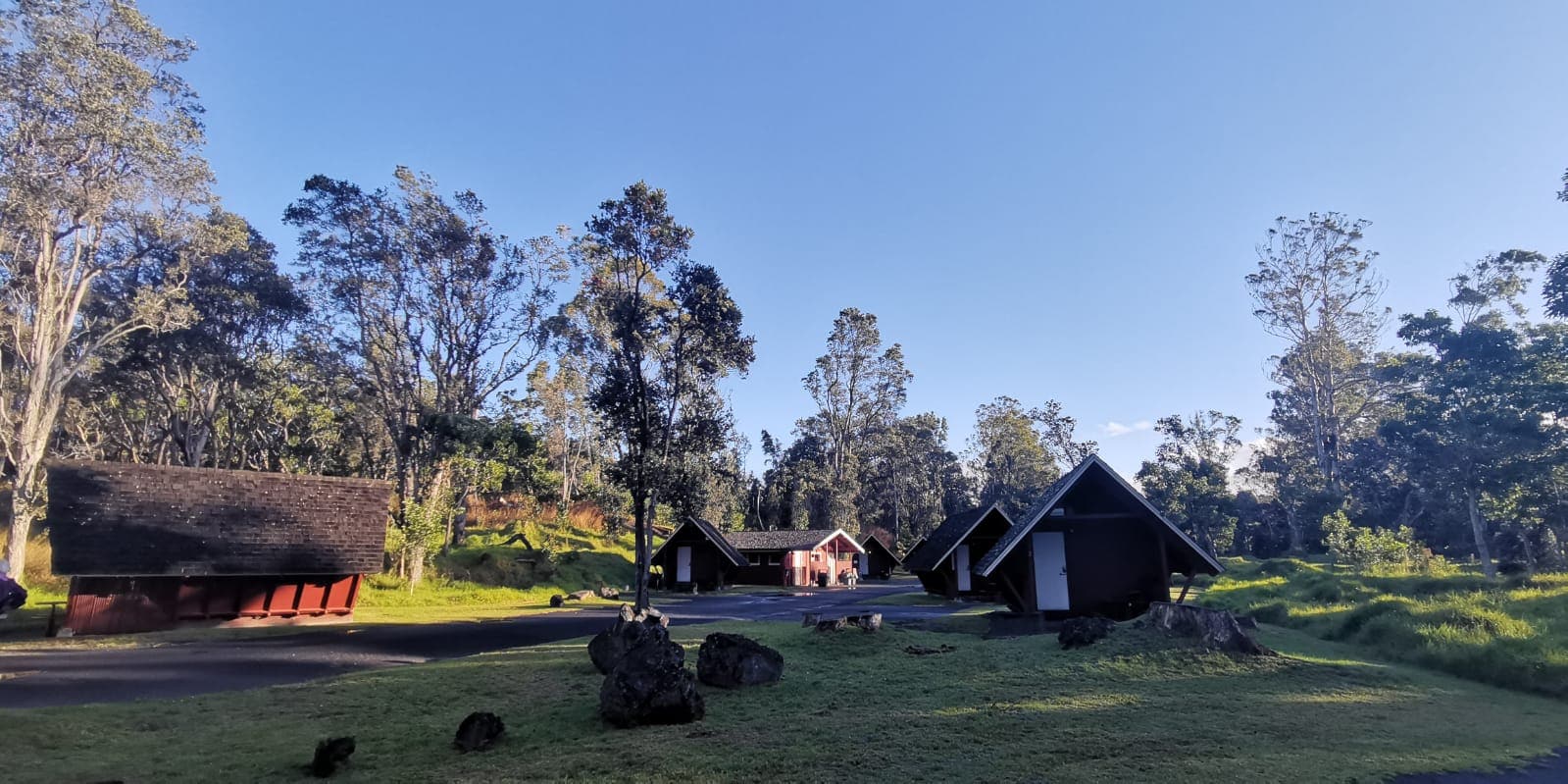
Hawaii’s camping system is divided between state parks, managed by the Division of Land and Natural Resources (DLNR), and county parks, overseen by the individual counties (Honolulu, Hawaii, Maui, and Kauai). This means different rules, different fees, and different application processes. The DLNR permits are generally for more remote, wilderness-style camping, while county parks often offer more developed campsites.
For DLNR camping, non-resident permits typically cost $30 per night, per campsite. You can find the official fees listed on the DLNR website (dlnr.hawaii.gov). County park permits vary, but generally range from $15-$30 per night. Honolulu’s Department of Parks and Recreation (honolulu.gov) offers permits for some of their parks, with costs around $25 per night for non-residents.
The biggest issue isn’t the cost of the permit itself, it’s getting one. Permits are often released on a first-come, first-served basis, and popular campsites can be booked months in advance. The DLNR uses an online reservation system, and sites fill up incredibly quickly when new dates are released. Be prepared to be flexible with your dates and locations.
If you can’t secure a permit, your budget takes a hit. You might be forced to stay in hotels or hostels, significantly increasing your accommodation costs. Some people try to 'wing it' and camp illegally, but this carries substantial fines and is strongly discouraged. Consider having a backup plan in place before you even book your flights.
- State park permits for non-residents are $30 per night.
- Honolulu County Parks: ~$25/night (non-resident)
- Other County Parks: $15-$30/night (estimate)
Hawaii Camping Permit Costs & Information (2026)
| Island | Managing Agency | Resident Permit Fee | Non-Resident Permit Fee | Maximum Stay | Permit Website |
|---|---|---|---|---|---|
| Kauai | State Parks (DLNR) | Varies by park, generally around $5 per person per night | Varies by park, generally around $10 per person per night | Varies by park, typically 10 days | https://dlnr.hawaii.gov/dsp/parks/kauai/camping/ |
| Oahu | State Parks (DLNR) | Varies by park, generally around $5 per person per night | Varies by park, generally around $10 per person per night | Varies by park, typically 10 days | https://dlnr.hawaii.gov/dsp/parks/oahu/camping/ |
| Hawaii (Big Island) | State Parks (DLNR) | Varies by park, generally around $5 per person per night | Varies by park, generally around $10 per person per night | Varies by park, typically 10 days | https://dlnr.hawaii.gov/dsp/parks/hawaii/camping/ |
| Maui | State Parks (DLNR) | Varies by park, generally around $5 per person per night | Varies by park, generally around $10 per person per night | Varies by park, typically 10 days | https://dlnr.hawaii.gov/dsp/parks/maui/camping/ |
| Molokai | State Parks (DLNR) | Varies by park, generally around $5 per person per night | Varies by park, generally around $10 per person per night | Varies by park, typically 10 days | https://dlnr.hawaii.gov/dsp/parks/molokai/camping/ |
| Oahu | City & County of Honolulu (Department of Parks and Recreation) | Fees apply | Fees apply | Varies by location; reservations required | https://www.honolulu.gov/parks/camping |
Illustrative comparison based on the article research brief. Verify current pricing, limits, and product details in the official docs before relying on it.
Gear essentials and rental costs
The cost of gear can quickly add up, but you can minimize expenses by assessing what you already own and prioritizing essential items. Let's break it down into categories. Must-Haves include a reliable tent (prices range from $80 for a basic dome tent to $300+ for a more durable backpacking tent), a comfortable sleeping bag ($60-$200 depending on temperature rating), and a headlamp ($20-$50).
Then there are the Good to Haves. A camp stove ($30-$150) is useful for cooking, a cooler ($50-$200) keeps food fresh, and camp chairs ($20-$80 each) provide comfort. Finally, the Luxury Items—solar chargers ($50-$150), inflatable kayaks ($100-$500), and portable power banks ($30-$100)—enhance the experience but aren't strictly necessary.
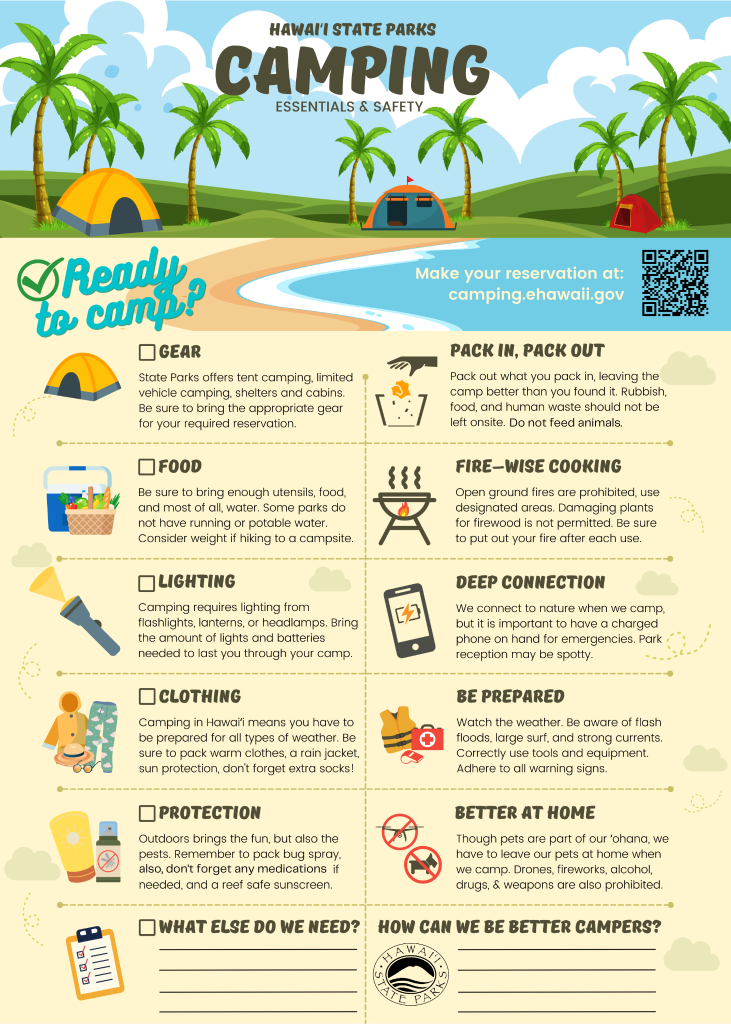
Renting gear in Hawaii is a viable option, especially if you're flying and don't want to transport bulky items. Several companies offer tent, sleeping bag, and backpack rentals, typically costing around $20-$50 per day. Don’t forget essentials like reef-safe sunscreen (absolutely crucial to protect the coral reefs) and insect repellent—these can be expensive in Hawaii, so consider bringing your own.
- A basic dome tent starts around $80, while a quality backpacking tent is closer to $300.
- Good to Haves: Camp Stove ($30-$150), Cooler ($50-$200), Camp Chairs ($20-$80)
- Luxury Items: Solar Charger ($50-$150), Inflatable Kayak ($100-$500)
Essential Camping Gear
- Tent - A waterproof and durable tent suitable for the Hawaiian climate. Consider a lightweight backpacking tent if you plan on hiking to your campsite.
- Sleeping Bag - Choose a sleeping bag rated for temperatures you might encounter, even in Hawaii, higher elevations can get cool. A 30-40 degree bag is often sufficient.
- Sleeping Pad - Provides insulation and comfort while sleeping. Options range from closed-cell foam to inflatable pads.
- Headlamp or Flashlight - Essential for navigating campsites at night. Bring extra batteries!
- Camp Stove & Fuel - For cooking meals. Propane or butane stoves are common choices. Check park regulations regarding stove use.
- Water Filter or Purification Tablets - Access to potable water can be limited. A reliable water purification method is crucial.
- First-Aid Kit - A comprehensive kit with supplies for treating minor injuries and illnesses. Include blister treatment, antiseptic wipes, and pain relievers.
- Insect Repellent - Mosquitoes and other insects can be prevalent, especially in forested areas. Choose a repellent with DEET or picaridin.
Getting around the islands
Getting to Hawaii is a significant expense in itself. Round-trip flights from the mainland US can range from $400 to $1000+ depending on your departure city and time of year. Once you're on the islands, you'll need to consider transportation between campsites and attractions. Inter-island flights on Hawaiian Airlines or Southwest Airlines typically cost $80-$200 per person, per flight.
Renting a car is the most convenient way to explore, but it’s also the most expensive. Expect to pay $50-$100+ per day for a standard rental car, and significantly more (potentially $100-$200+ per day) for a 4WD vehicle, which is often necessary to reach some of the more remote campsites. Gas prices are also higher in Hawaii than on the mainland, currently around $5.00-$6.00 per gallon.
On Oahu, TheBus provides affordable public transportation, with a single ride costing $3.00 and day passes available for $5.50. Ride-sharing services like Uber and Lyft are available in urban areas, but can be limited in more rural locations. Factoring in gas, parking, and potential rental car costs, transportation can easily consume a large portion of your budget.
Grocery prices and food prep
Be prepared for higher food costs in Hawaii. Groceries are significantly more expensive than on the mainland due to shipping costs and limited local production. A realistic daily food budget for a camper is $40-$60 per person, assuming you're cooking most of your meals. This allows for some flexibility for the occasional restaurant visit.
Saving money on food requires planning. Bringing some non-perishable items from home (like pasta, rice, and granola bars) can help reduce your grocery bill. Shopping at local farmers' markets offers fresh produce at potentially lower prices than supermarkets. Avoid eating at tourist traps, which often inflate prices.
Mice and mongooses are the main pests here. Use hard-sided plastic bins or hanging bags to keep them out of your supplies. Even in remote spots, leaving a bag of granola open is an invitation for local rodents to chew through your tent.
Hidden fees to watch for
Beyond the obvious expenses, several hidden costs can creep into your Hawaii camping budget. Parking fees at popular trailheads can range from $5-$20 per day. Some state parks charge separate entrance fees, even if you have a camping permit. Laundry costs can add up if you’re on a longer trip.
It's also wise to factor in a buffer for unexpected expenses. Gear can break, medical bills can arise, or you might encounter unforeseen delays. 'Island time' is a real phenomenon, and things don't always go according to plan. A contingency fund of $100-$200 can provide peace of mind.
Don't underestimate the cost of little things – sunscreen, bug spray, toiletries. These items are essential, but they can quickly add up, particularly if you buy them on the islands. Packing these from home can save you money and ensure you have what you need.
Daily budget estimates by island
Costs vary significantly depending on which island you choose to camp on. Here’s a rough estimate of daily/weekly camping budgets, assuming a mid-range approach (mix of cooking and eating out, some activities, and moderate transportation costs). These are estimates, and your actual spending will depend on your choices.
Kauai: Daily: $180-$280, Weekly: $1260-$1960. Kauai is known for its rugged beauty, but transportation costs can be high due to limited public transport. Oahu: Daily: $150-$250, Weekly: $1050-$1750. Oahu offers more affordable transportation options, but camping permits are highly competitive. Hawaii (Big Island): Daily: $170-$270, Weekly: $1190-$1890. The Big Island’s diverse landscapes require a car, increasing transportation costs.
Maui: Daily: $200-$300, Weekly: $1400-$2100. Maui is generally the most expensive island due to its popularity and limited camping options. Molokai: Daily: $130-$200, Weekly: $910-$1400. Molokai offers a more remote and affordable camping experience, but amenities are limited.
These estimates include permit fees (assuming you can secure one), transportation (rental car or public transport), food, activities (like hiking or snorkeling), and a small buffer for miscellaneous expenses. A 'budget' traveler could potentially reduce these costs by camping more frugally and utilizing free activities.
No comments yet. Be the first to share your thoughts!