

Beyond Spreadsheets: AI Takes on Trip Costs
Vacation planning used to mean hours wrestling with spreadsheets, comparing prices across dozens of websites, and hoping you hadn't missed a hidden fee. It was a necessary evil, often leading to overspending or settling for less than ideal options. Now, things are changing. Artificial intelligence is stepping in to handle the heavy lifting, and the potential for savings is significant.
The promise isn't just convenience; it's about accuracy. Traditional budgeting relies on averages and past data, which can be wildly inaccurate in today’s dynamic travel market. AI algorithms can analyze real-time data, predict price fluctuations, and personalize recommendations to your specific needs and preferences. It’s a shift from guessing at costs to knowing them.
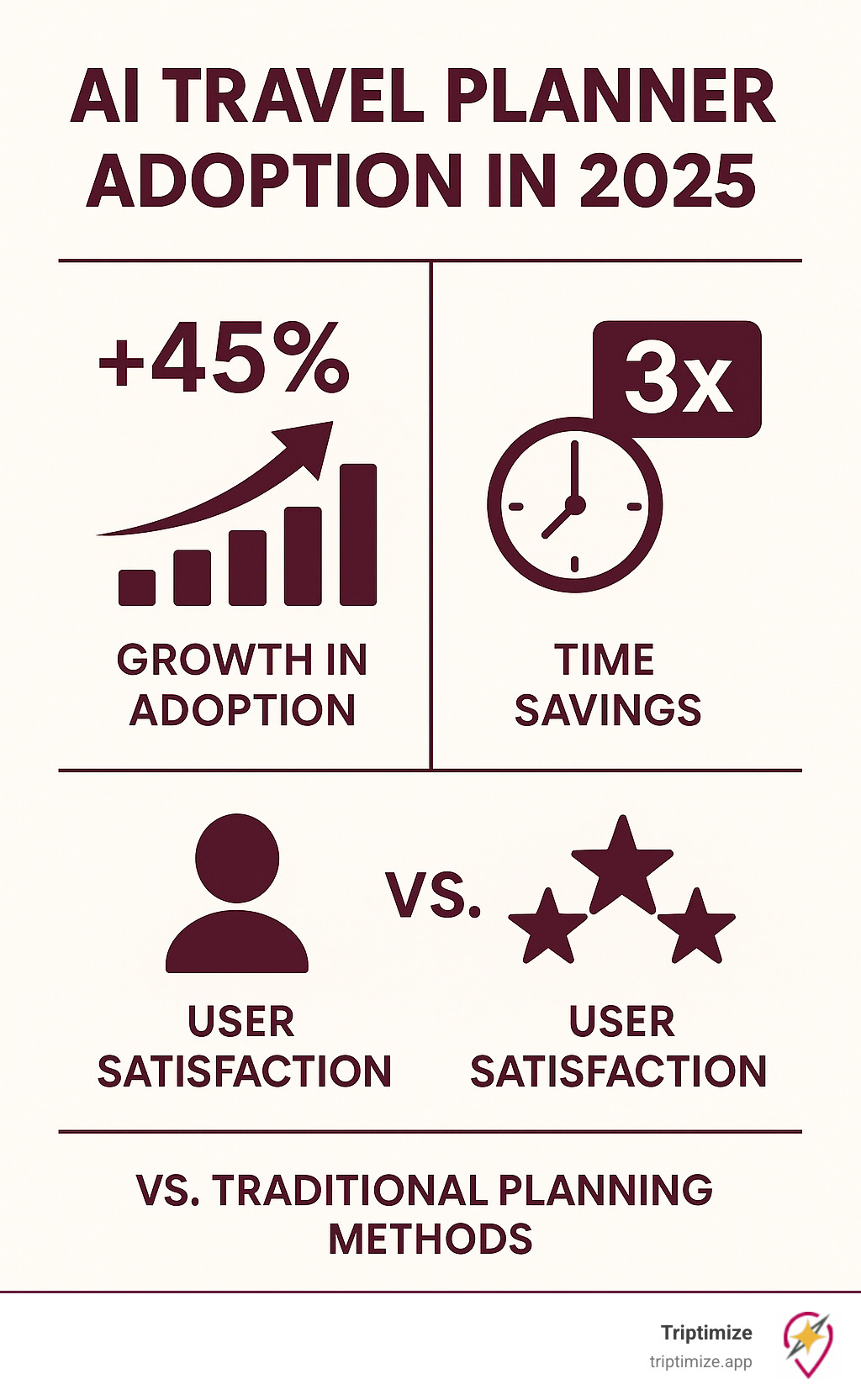
We’re talking about a potential to cut your 2026 vacation costs by as much as 40%. That’s not a small number. It means more money for experiences, better accommodations, or simply having a more comfortable financial cushion during your trip. I think this is a really exciting development for anyone who loves to travel, but wants to do so responsibly.
The Problem With 'Average' Travel Costs
The biggest flaw in traditional travel budgeting is its reliance on average costs. Averages smooth out important variations, giving you a misleading picture of what your trip will actually cost. Prices are rarely static; they fluctuate wildly depending on the season, demand, and even the day of the week you travel.
Consider Paris, a popular destination. The average hotel cost in July, peak tourist season, can easily be $300 per night. But in November, during the off-season, that same hotel might cost $150 per night. An 'average' of $225 doesn’t tell you anything useful. It doesn’t reflect the reality of when you’re planning to travel.
Furthermore, averages don't account for individual preferences. Some travelers are perfectly happy with a budget hostel, while others demand a five-star luxury hotel. Some prioritize free activities, while others want to experience the best restaurants and shows. A one-size-fits-all average simply won’t work for everyone. It's a starting point, at best, but it’s a starting point with significant limitations.
Cancun Vacation Cost Comparison (7 Days, Estimated for 2026)
| Cost Category | Traditional Spreadsheet Budget | Travel Blog Budget | AI-Powered Planner Estimate |
|---|---|---|---|
| Flights (Roundtrip, per person) | $600 - $900 | $550 - $850 | Potentially $450 - $700 (based on dynamic pricing & route optimization) |
| Accommodation (7 nights, mid-range hotel) | $1050 - $2100 ($150-$300/night) | $840 - $1680 ($120-$240/night) | Potentially $700 - $1400 (personalized recommendations & deals) |
| Food & Drink | $700 - $1400 ($100-$200/day) | $560 - $1120 ($80-$160/day) | Potentially $500 - $1000 (local recommendations & cost-effective choices) |
| Activities & Entertainment | $350 - $700 | $280 - $560 | Potentially $200 - $400 (prioritized experiences & free activities) |
| Transportation (Local) | $100 - $200 | $80 - $160 | Potentially $60 - $120 (optimized routes & public transport suggestions) |
| Travel Insurance (per person) | $50 - $150 | $40 - $100 | Similar: $40 - $100 (AI can compare policies) |
| Miscellaneous/Buffer | $200 - $400 | $140 - $280 | Potentially $100 - $200 (reduced due to optimized planning) |
| Total Estimated Cost (per person) | $3050 - $5850 | $2450 - $4670 | Potentially $1750 - $3520 (representing up to a 40% reduction) |
Illustrative comparison based on the article research brief. Verify current pricing, limits, and product details in the official docs before relying on it.
AI Tools: How They Actually Save You Money
AI-powered travel planning tools aren’t just about finding the lowest price; they’re about optimizing your entire trip for cost-effectiveness. A core function is dynamic pricing analysis. These tools constantly monitor flight and accommodation prices, identifying the cheapest times to book and alerting you to price drops. They can even predict when prices are likely to increase, allowing you to snag a deal before it’s gone.
Personalized recommendations are another key area. AI algorithms learn your travel preferences – your preferred airlines, hotel types, and activities – and suggest options that fit your budget and interests. This means you’re less likely to waste money on things you won’t enjoy. It’s about getting more value for your money.
Predictive modeling is becoming increasingly sophisticated. AI can analyze historical data, current trends, and external factors (like major events or weather patterns) to forecast price fluctuations. This allows you to plan your trip strategically, avoiding peak seasons or taking advantage of unexpected discounts. AI can also identify hidden fees – resort fees, baggage fees, or booking fees – that you might otherwise miss.
It’s not just about finding cheaper options, either. AI can help you identify less-obvious savings opportunities, like suggesting alternative airports or travel dates that are significantly cheaper. It can even help you optimize your itinerary to minimize transportation costs.
Real-World Examples: AI in Action
The good news is you don’t need to be a tech expert to take advantage of these tools. Several AI-powered travel planning services are already available. Hopper, for example, uses historical data and predictive algorithms to forecast flight prices, advising you whether to book now or wait. They claim an 85% accuracy rate in predicting price fluctuations, though I’d still recommend cross-checking with other sources.
Kayak Explore is another useful tool. It allows you to enter your budget and desired travel dates, and then displays a map of destinations you can afford. This is a great way to discover new places you might not have considered. Google Flights offers price tracking, sending you email alerts when the price of a specific flight changes.
These are just a few examples, and the landscape is constantly evolving. Many online travel agencies are now incorporating AI features into their platforms, offering personalized recommendations and dynamic pricing. It’s important to remember that these tools aren’t perfect, and they shouldn’t be used in isolation. But they can be a valuable asset in your travel planning arsenal. I’ve used Kayak Explore to brainstorm destinations when I was flexible on location.
Beyond Flights & Hotels: Hidden Savings
AI’s cost-saving potential extends far beyond flights and hotels. When it comes to transportation, AI can help you find the cheapest routes, suggest public transport options instead of taxis, and even identify ride-sharing services with the best deals. For activities, AI can discover free or low-cost events happening at your destination.
Food is another area where AI can help. Several apps can recommend local restaurants with good deals, based on your preferences and budget. AI can also assist with currency exchange rates, helping you find the best rates and avoid hidden fees. It's important to compare these rates with your bank or credit card to ensure you're getting the best deal.
Don't overlook travel insurance. AI-powered comparison tools can help you find the best coverage at the lowest price, tailored to your specific needs. They can analyze different policies and highlight the key benefits and limitations. Considering potential risks and having appropriate insurance is always a smart move.
- Transportation: Find cheapest routes, suggest public transport
- Activities: Discover free or low-cost events
- Food: Recommend local restaurants with deals
- Currency Exchange: Identify best exchange rates
- Travel Insurance: Compare policies and find best coverage
The 2026 Outlook: What to Expect
Looking ahead to 2026, AI travel planning is poised to become even more sophisticated. We can expect to see even more personalized recommendations, driven by increasingly advanced algorithms and access to larger datasets. Integration with virtual reality (VR) could allow you to preview your trip before you book, experiencing destinations and hotels in immersive detail.
AI-powered travel assistants may become commonplace, handling all aspects of planning – from booking flights and accommodations to creating itineraries and providing real-time support during your trip. These assistants could learn your preferences over time, anticipating your needs and making proactive recommendations. It feels like a natural evolution of the current tools.
However, there are potential challenges to consider. Data privacy is a major concern, as AI algorithms require access to personal information. Transparency in AI algorithms is also crucial, ensuring that recommendations are unbiased and fair. We need to be mindful of these issues as AI becomes more integrated into our travel planning process.
Budgeting Tools Compared: AI vs. Traditional
Let's directly compare traditional travel budgeting methods with AI-powered tools. Spreadsheets, while familiar, are time-consuming to create and maintain, and their accuracy depends on the quality of the data you input. Travel blogs offer valuable insights, but the information can be outdated or biased. AI tools, on the other hand, automate much of the process and provide real-time data.
Here’s a quick overview:
AI tools excel in speed, accuracy, personalization, and adaptability. They can analyze vast amounts of data and adjust to changing conditions. Traditional methods, while offering more control, require significantly more effort and are less likely to deliver optimal results. While spreadsheets have their place for detailed tracking during a trip, AI is superior for the initial planning phase.
- Time Savings: AI – High, Traditional – Low
- Accuracy: AI – High, Traditional – Moderate
- Personalization: AI – High, Traditional – Low
- Adaptability: AI – High, Traditional – Low
- Control: AI – Moderate, Traditional – High

No comments yet. Be the first to share your thoughts!