

The cost of travel in 2026
Travel is more expensive in 2026. The cheap deals from the early 2020s are gone, replaced by high demand and inflation that hits every part of a trip. If you're planning an adventure now, you're looking at a much higher baseline than we saw even three years ago.
Government budget data from 2026 shows fuel and labor costs are still climbing. This isn't just an economic theory; it's why your flight to London costs $400 more than it used to. You have to account for these shifts before you even start looking at gear or tours.
I’ve been following these trends closely, and the message is consistent: don’t expect to find the same bargains as you might have in 2019. While smart planning can still help mitigate costs, a degree of price acceptance is necessary. This isn't about negativity; it's about being prepared and making informed decisions.

Airfare and the fuel surcharge
Airfare is one of the most visible indicators of travel cost inflation. Fuel prices, as detailed in the recent budget reports, remain a significant driver of these increases. Airlines haven’t fully absorbed these costs, and we’re seeing those expenses passed directly onto consumers. But it’s not just fuel. Labor costs, particularly for pilots and flight attendants, are also rising as unions negotiate for better wages and working conditions.
Route availability also plays a role. Many airlines haven’t fully restored their pre-pandemic route networks, leading to less competition and higher prices on popular routes. For example, a round-trip ticket from NYC to London in 2019 might have cost around $600. In 2024, that same ticket averages $900-$1100. Projections for 2026 suggest prices could easily exceed $1200, depending on the time of year and booking window.
The rise of 'basic economy' fares is another factor. Airlines are increasingly unbundling services, offering incredibly low base fares but charging extra for everything from seat selection to checked baggage. While these fares can seem attractive, the added costs can quickly erase any savings. It’s a strategy that forces travelers to carefully evaluate what they truly need and are willing to pay for.
- NYC to London (2019): $600
- NYC to London (2024): $900-$1100
- NYC to London (Projected 2026): $1200+
Average Round-Trip Airfare & Fuel Surcharge Impact (USD)
| Route | 2019 Average Price | 2024 Average Price | Projected 2026 Average Price | Fuel Surcharge % (of Total Price - 2026) |
|---|---|---|---|---|
| NYC - London | $680 | $850 | $980 | 18% |
| LA - Tokyo | $950 | $1200 | $1450 | 22% |
| Denver - Cancun | $420 | $580 | $650 | 15% |
| Chicago - Rome | $750 | $920 | $1050 | 20% |
| Miami - Sao Paulo | $800 | $1050 | $1200 | 17% |
Illustrative comparison based on the article research brief. Verify current pricing, limits, and product details in the official docs before relying on it.
Accommodation is more than just hotels
The cost of accommodation has also increased substantially. Hotels, of course, are more expensive, but the surge in demand has impacted vacation rentals – think Airbnb and VRBO – just as much. Property owners and management companies have capitalized on the increased demand, raising nightly rates and adding fees for cleaning, maintenance, and even basic amenities.
Local regulations are also playing a role. Many cities are cracking down on short-term rentals, limiting the number of nights a property can be rented out or imposing stricter safety standards. These regulations reduce supply, driving up prices for the remaining available properties. It’s a complex situation with no easy solutions.
Even 'glamping' – glamorous camping – isn’t immune to inflation. While it offers a unique experience, glamping sites often charge premium prices for their yurts, cabins, or luxury tents. It’s a popular option, but it’s not necessarily a budget-friendly one. Expect to pay upwards of $150-$300 per night for a decent glamping experience, depending on location and amenities.
Skiing and outdoor activity costs
If you're planning an adventure-focused trip, be prepared for higher costs. Everything from lift tickets at ski resorts to entrance fees for national parks has become more expensive. Labor shortages in the tourism sector are a major contributing factor. Guides, instructors, and other tourism professionals are in high demand, and their wages are rising accordingly.
Consider Vail Ski Resort in Colorado. A day pass that cost around $200 in 2019 now routinely exceeds $250, and is even higher during peak season. Rental equipment has also increased in price, adding another $50-$80 to the daily cost. Similarly, entrance fees for popular national parks like Zion in Utah have seen modest but consistent increases. A park pass that covered a week’s access now costs more, and parking reservations are often required – and come with a fee.
This inflation means some adventures are becoming less accessible to budget travelers. Guided tours, diving excursions, and other specialized activities are particularly affected. It’s a real concern, as these experiences are often the highlight of a trip. The need to prioritize and potentially scale back on certain activities is becoming increasingly common.
- Vail Ski Resort Day Pass (2019): $200
- Vail Ski Resort Day Pass (2026 Projection): $250+
- Zion National Park Pass (Weekly): Increased cost, reservation fees apply
Food & Drink: Eating on the Go
Food inflation is impacting travel budgets in a significant way. Restaurant prices have risen sharply, and even grocery shopping for self-catering is more expensive than it used to be. The cost of basic staples like bread, milk, and eggs has increased, making it harder to save money by cooking your own meals.
Supply chain issues continue to disrupt food availability in certain destinations, leading to higher prices for imported goods. This is particularly noticeable in remote areas or countries that rely heavily on food imports. It’s a reminder that even seemingly simple things like grabbing a coffee or a snack can add up quickly.
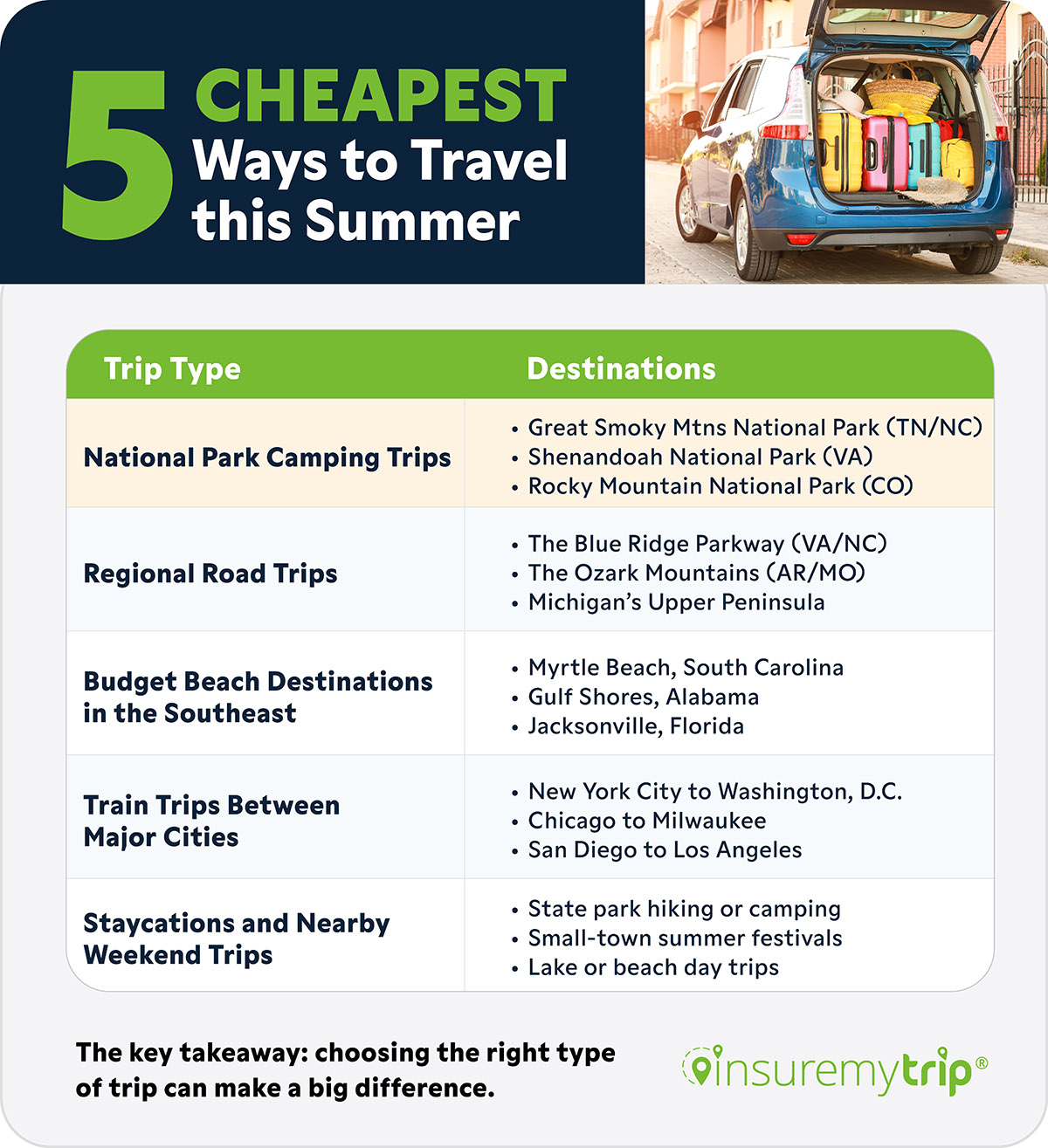
To save money on food, consider cooking your own meals whenever possible, eating at local markets, and avoiding tourist traps. Look for restaurants frequented by locals – they’re often cheaper and more authentic. Packing snacks and drinks can also help reduce impulse purchases.
Budgeting Tools & Strategies for 2026
Despite the rising costs, it’s still possible to plan a budget-friendly adventure in 2026. Travel insurance is more important than ever, given the potential for disruptions and unexpected expenses. Look for policies that cover trip cancellations, medical emergencies, and lost luggage.
Credit card points are one of the few ways to dodge these price hikes. I use them for the long-haul flights that usually eat up half a budget. If you're starting from scratch, look for cards with high sign-up bonuses that specifically cover airline transfers.
Utilize apps and websites that compare prices on flights and accommodations. Skyscanner, Kayak, and Google Flights are all excellent resources for finding the best deals. Be flexible with your travel dates and consider traveling during the shoulder season – the period between peak and off-peak seasons – to avoid crowds and higher prices.
Where Does Your Dollar Stretch Further?
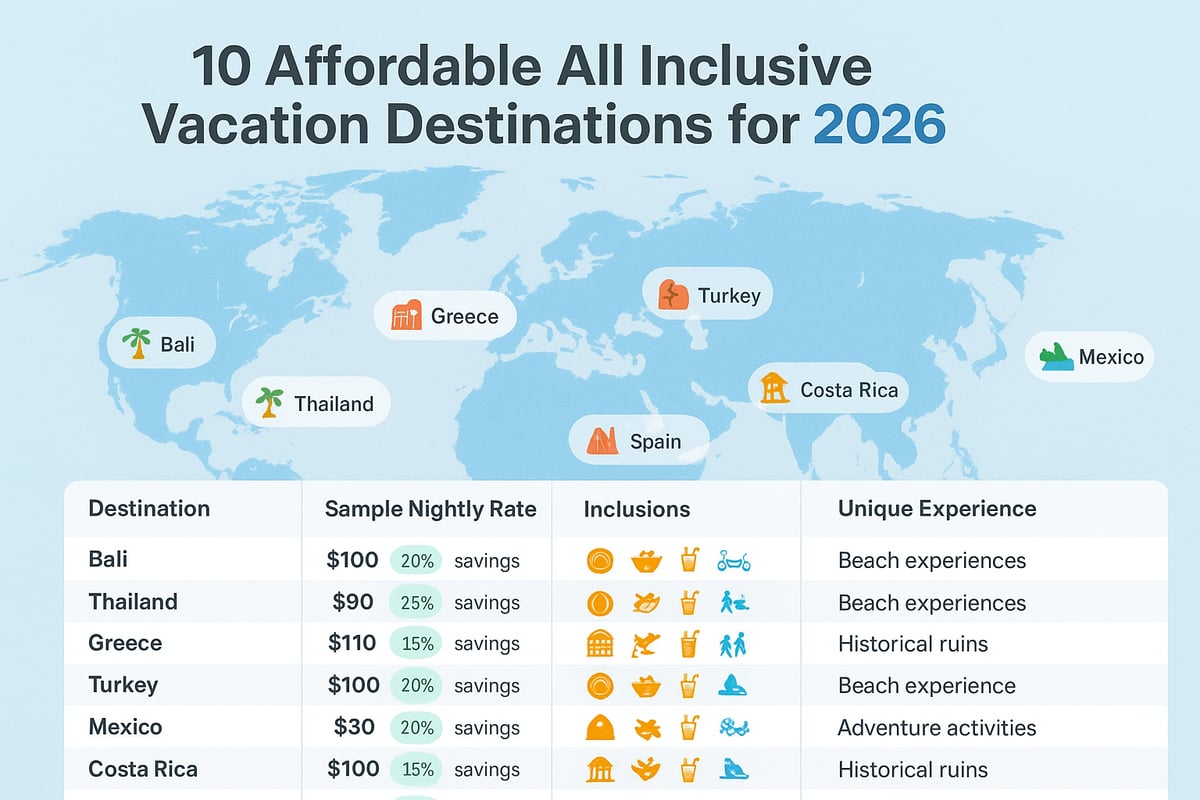
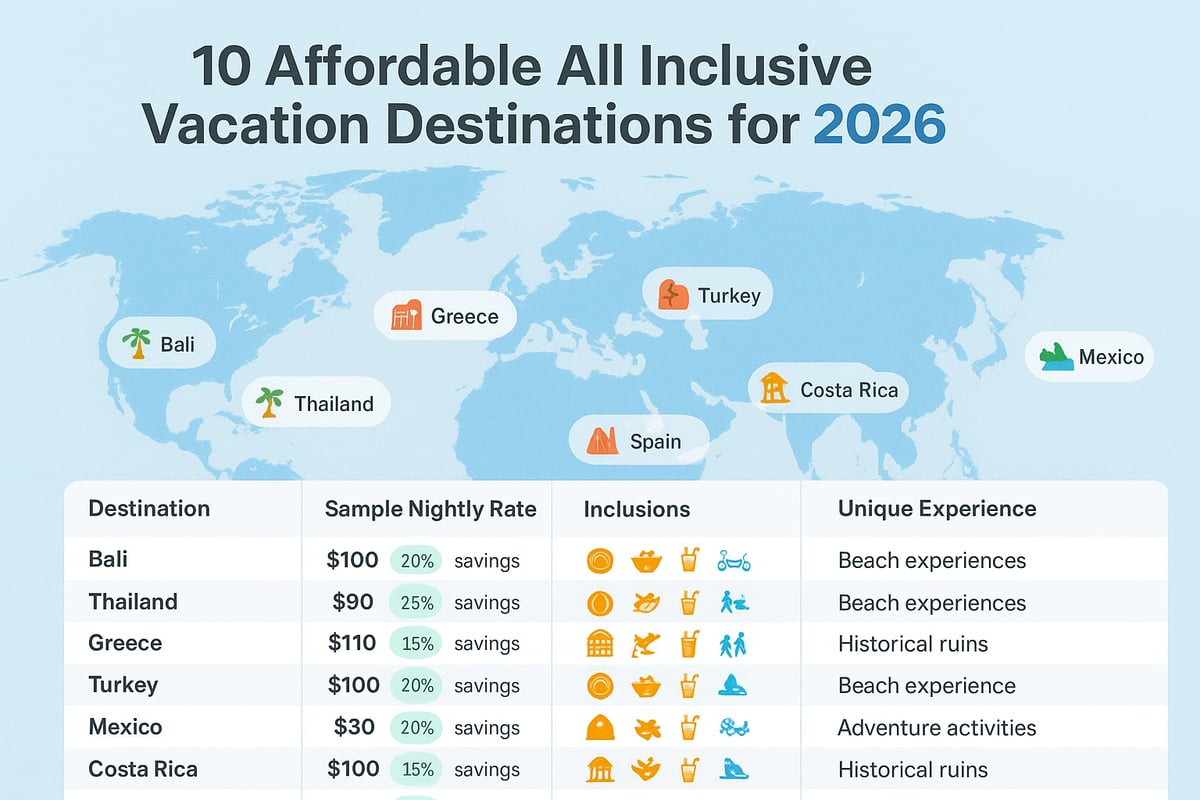
Some destinations still offer better value for money than others. Countries with favorable exchange rates or lower overall costs of living can help your travel budget go further. Southeast Asia (Thailand, Vietnam, Cambodia) remains a popular choice for budget travelers, as does Eastern Europe (Hungary, Poland, Czech Republic).
Parts of South America (Colombia, Ecuador, Peru) also offer excellent value, with affordable accommodation, food, and activities. These destinations provide a rich cultural experience without breaking the bank. It’s still possible to have amazing adventures – you just need to be strategic about where you go.
No comments yet. Be the first to share your thoughts!