

What it actually costs to camp in Hawaii
Hawaii is expensive. Even if you swap a $400 hotel room for a tent, the costs for permits, gear, and groceries at Foodland or Safeway add up fast. You won't find legal free camping here; the state and counties are strict about where you pitch a tent.
Let’s break down the major cost components. State park camping permits typically range from $12 to $30 per night for non-residents, with an additional application fee. Park entrance fees, where applicable, can be around $30 per vehicle. Gear costs are hugely variable – a basic setup (tent, sleeping bag, pad) could cost $300, while a more comfortable setup with quality gear might run $1000 or more. Transportation is another big factor, especially if you plan to island hop.
The cost will also depend on which island you choose. Oahu and Maui tend to be the most expensive, with higher permit fees and more competition for campsites. Kauai and the Big Island offer more affordable options, but you’ll need to factor in travel costs to reach those islands. Camping on the Big Island near Volcanoes National Park will have its own set of expenses, as we'll discuss later.
Finally, remember that Hawaii is geographically isolated. Everything has to be shipped in, which drives up prices. Food, water, and even sunscreen will cost more than they would on the mainland. Being prepared to spend more than you might initially anticipate is key to a stress-free camping adventure.
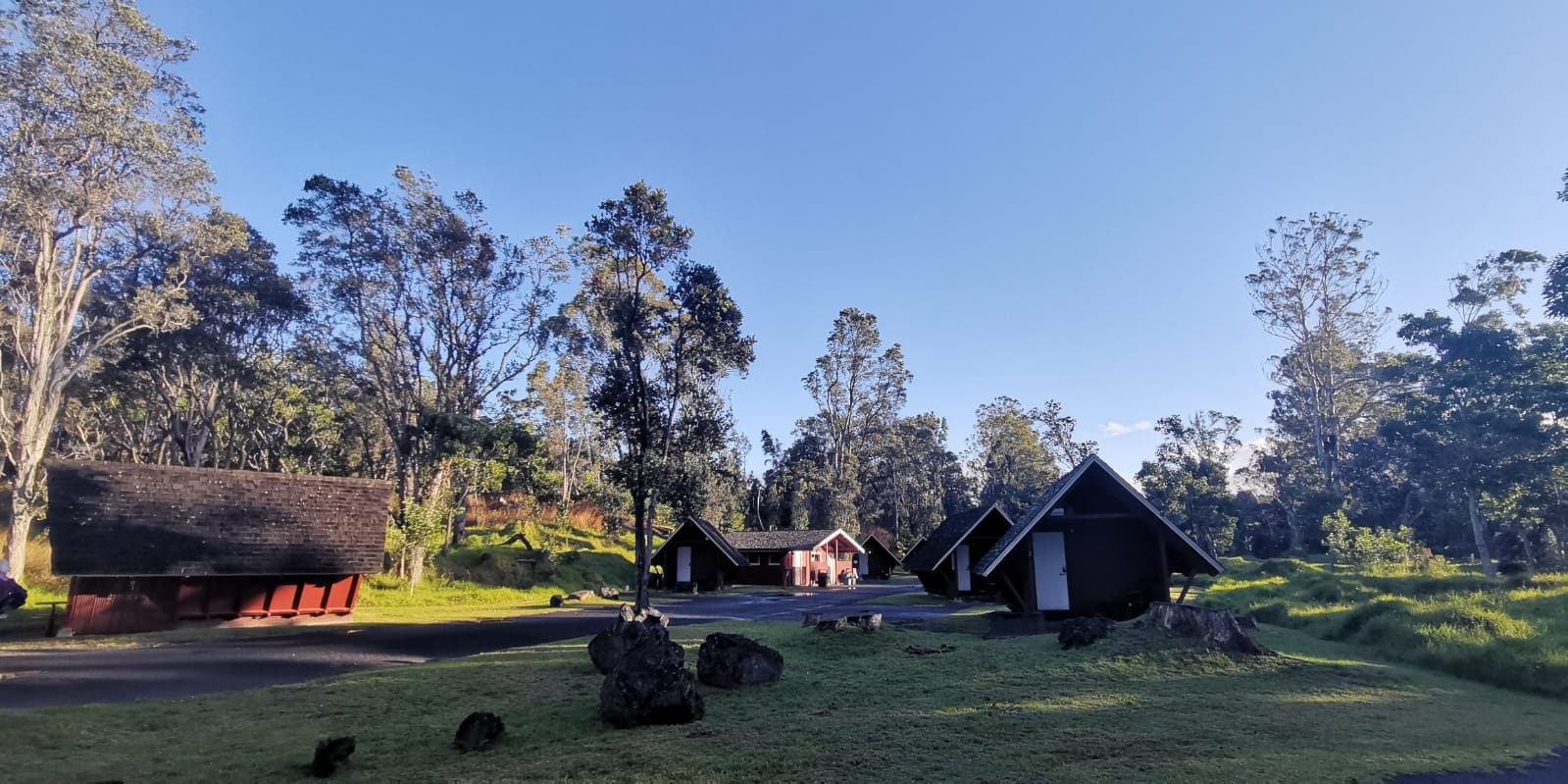
The permit system is a headache
The permit system is a mess. You have to deal with two different bureaucracies: the state (DLNR) and the individual counties. They don't talk to each other, and each has its own website and rules.
For state park camping, you'll typically apply online through the Division of State Parks website (dlnr.hawaii.gov). Reservations can be made up to 30 days in advance, but popular campgrounds fill up immediately when reservations open. Be prepared to be flexible with your dates and locations. As of late 2026, the standard permit fee for non-residents is $30 per night, plus a $30 non-refundable application fee. These fees are subject to change, so always double-check the official website.
County park camping permits are obtained differently on each island. On Oahu, for example, you apply through the Honolulu Department of Parks and Recreation (honolulu.gov). The process often involves submitting a paper application and attending a lottery. Fees vary by park, but generally range from $12 to $20 per night. Kauai and Maui also have their own specific procedures and fees, best found on their respective county websites.
Competition for permits is fierce, especially during peak season (winter and summer). Weekends and holidays are particularly difficult to secure. I’ve heard from many travelers who spent hours refreshing the reservation website, only to find everything booked. Tips for increasing your chances include applying as soon as reservations open, being flexible with your dates, and considering less popular campgrounds. Having backup plans is essential.
- Oahu (State Parks): $30/night + $30 application fee
- Maui (State Parks): $30/night + $30 application fee
- Kauai (State Parks): $20/night + $30 application fee
- Big Island (State Parks): $12/night + $30 application fee
- Oahu (County Parks): $12 - $20/night (varies by park)
Hawaii Island Camping Permit Systems - 2026
| Island | Governing Agency | Permit Cost (per night/stay) | Reservation Window | Online Booking Available | Notes |
|---|---|---|---|---|---|
| Kauai | Division of State Parks | Varies by park; generally $5 - $10 per person per night for non-residents | 30 days in advance | Yes, through the Hawaii Department of Land and Natural Resources (DLNR) website | Specific restrictions apply to each park; some areas require walk-up permits. |
| Oahu | Department of Parks and Recreation | Generally $25 per night per campsite for non-residents | 30 days in advance | Yes, for some parks via the Honolulu Department of Parks and Recreation website | Permits are highly competitive, especially for popular beachside locations. Some parks require lottery systems. |
| Hawaii Island | Division of State Parks | Generally $20 - $30 per night per campsite for non-residents | 30 days in advance | Yes, through the DLNR website | Volcanoes National Park requires separate permits (see NPS website). |
| Maui | Division of State Parks | Generally $30 per night per campsite for non-residents | 30 days in advance | Yes, through the DLNR website | Reservations are essential, particularly during peak season. Some areas have limited availability. |
| Molokai | Division of State Parks | Generally $20 per night per campsite for non-residents | 30 days in advance | Yes, through the DLNR website | Camping options are more limited on Molokai; permits are required for all designated campsites. |
Illustrative comparison based on the article research brief. Verify current pricing, limits, and product details in the official docs before relying on it.
Sleeping on the beach
Beach camping in Hawaii is a dream for many, but it’s not universally allowed. Only a few islands permit it, and even then, regulations are strict. Maui, for example, generally prohibits overnight beach camping, while Oahu has designated beach camping areas with a permit system. Kauai offers permits for certain beaches, and the Big Island has more relaxed rules in some areas.
The costs associated with beach camping are similar to state park camping – you’ll need a permit, which can range from $12 to $30 per night. However, beach camping often requires more robust gear. You’ll need a tent that can withstand strong winds and potential rain, as well as a good windbreak. Parking fees may also apply at some beach access points.
One of the biggest drawbacks of beach camping is the lack of facilities. Most beach campsites don't have restrooms, water sources, or trash cans. You'll need to be completely self-sufficient and pack out everything you pack in. This also means carrying enough water for drinking, cooking, and washing. It's crucial to practice Leave No Trace principles to minimize your impact on the fragile coastal environment.
Location plays a significant role in the overall cost. Beaches exposed to strong winds and waves will require more durable gear. More remote beaches may require a 4x4 vehicle to access, adding to your transportation expenses. Consider the potential for unpredictable weather – Hawaii can experience sudden downpours and strong gusts of wind, even during the dry season.
Camping in Volcanoes National Park
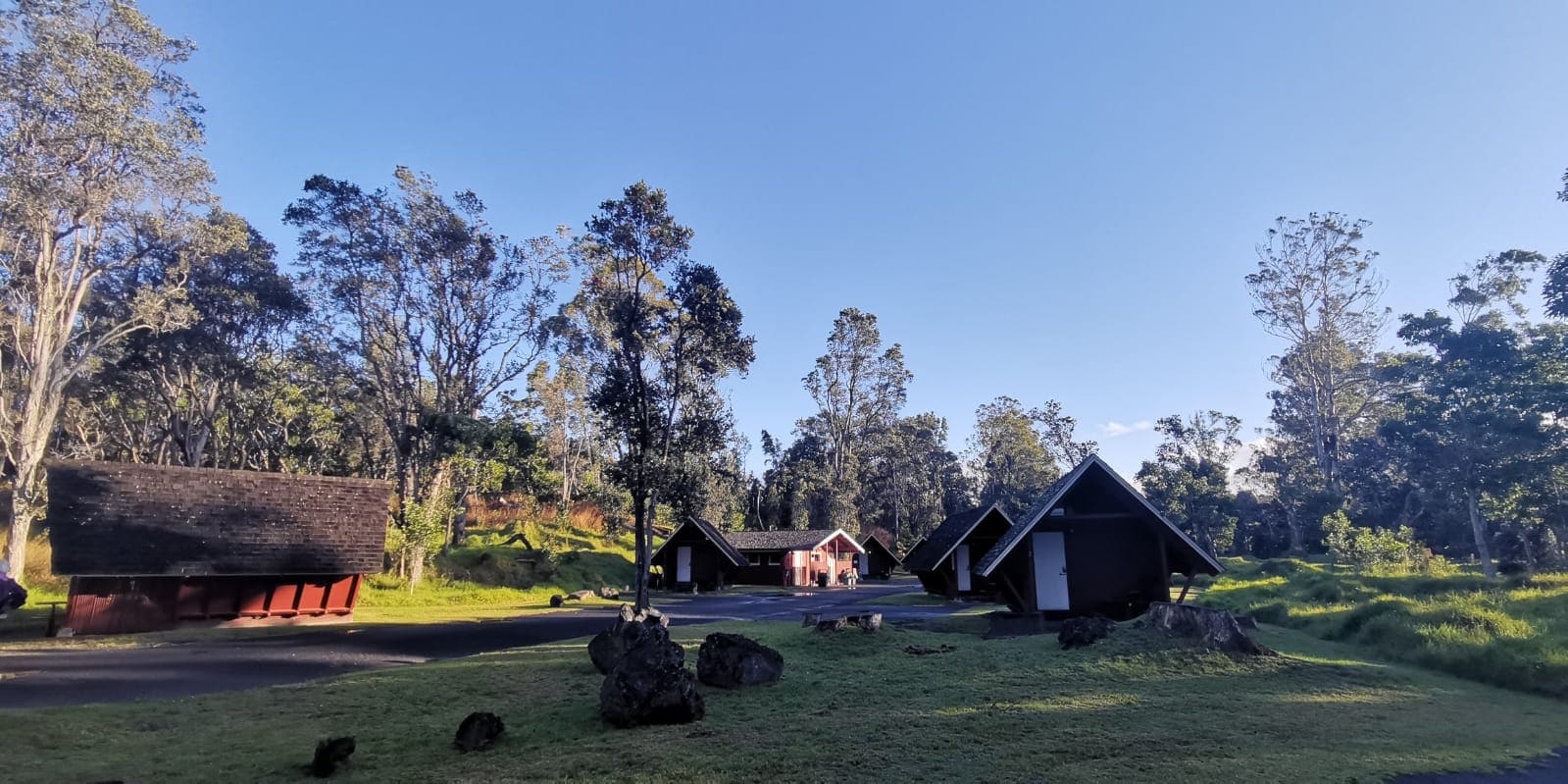
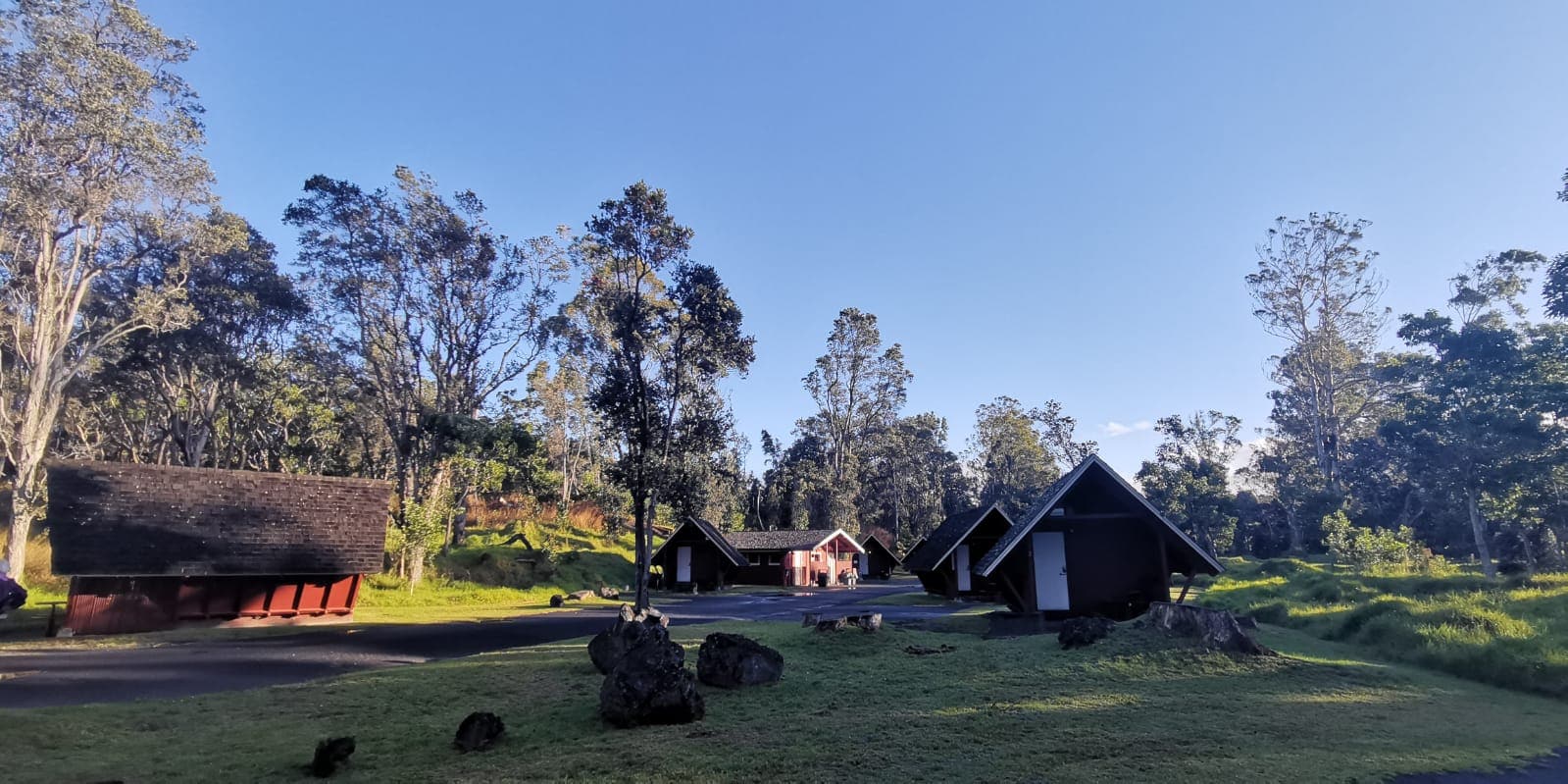
Camping in Hawaii Volcanoes National Park offers a truly unique experience, but it operates under a separate permit system from state and county parks. You'll need to obtain a permit specifically from the National Park Service. Reservations are essential and can be made up to six months in advance through Recreation.gov.
The park has two main campgrounds: Kilauea Iki and Devastation Trail. Kilauea Iki is the more popular option, offering a stunning location near the Kilauea caldera. Campsites at Kilauea Iki cost $10 per night. Devastation Trail campground is smaller and more basic, also costing $10 per night. Both campgrounds have limited facilities – pit toilets and water spigots.
Camping near an active volcano comes with inherent risks. Sulfur fumes can be present, especially in certain areas of the park. It’s important to be aware of volcanic activity and follow the park’s safety guidelines. These guidelines include staying on marked trails, avoiding closed areas, and being prepared to evacuate if necessary. The park service provides regular updates on volcanic activity and potential hazards.
In addition to the camping fee, you’ll also need to pay the park entrance fee, which is currently $30 per vehicle and is valid for seven days. Be prepared for unpredictable weather – the park can experience rain, fog, and temperature fluctuations. Bring appropriate clothing and gear. I strongly recommend checking the park's website (nps.gov/havo) for the latest conditions and alerts before your trip.
- Kilauea Iki Campground: $10/night
- Devastation Trail Campground: $10/night
- Park Entrance Fee: $30 per vehicle (7-day pass)
Island Hopping: Transportation Expenses
If you plan to camp on multiple islands, transportation costs will quickly become a significant part of your budget. Inter-island flights on airlines like Southwest and Hawaiian Airlines typically range from $80 to $200 per person, per flight, depending on the time of year and how far in advance you book. Be aware that baggage fees can add to the cost.
Rental cars are essential for exploring most islands, but they can be expensive. Daily rental rates range from $50 to $150 or more, depending on the vehicle type and rental company. Consider booking your rental car well in advance, especially during peak season. Public transportation is available on Oahu and Maui, but it’s not always convenient for reaching remote campsites.
Shipping gear between islands is an option if you don’t want to fly with it. However, this can be surprisingly expensive and time-consuming. Expect to pay around $50-$100 per box, depending on the size and weight. It’s important to factor in the transit time, as it can take several days for your gear to arrive.
Don’t forget to factor in the cost of getting to and from the airport from your campsite. Taxis and ride-sharing services can be expensive, especially during peak hours. Consider using a shuttle service or public transportation if available. Planning your transportation carefully can save you a significant amount of money.
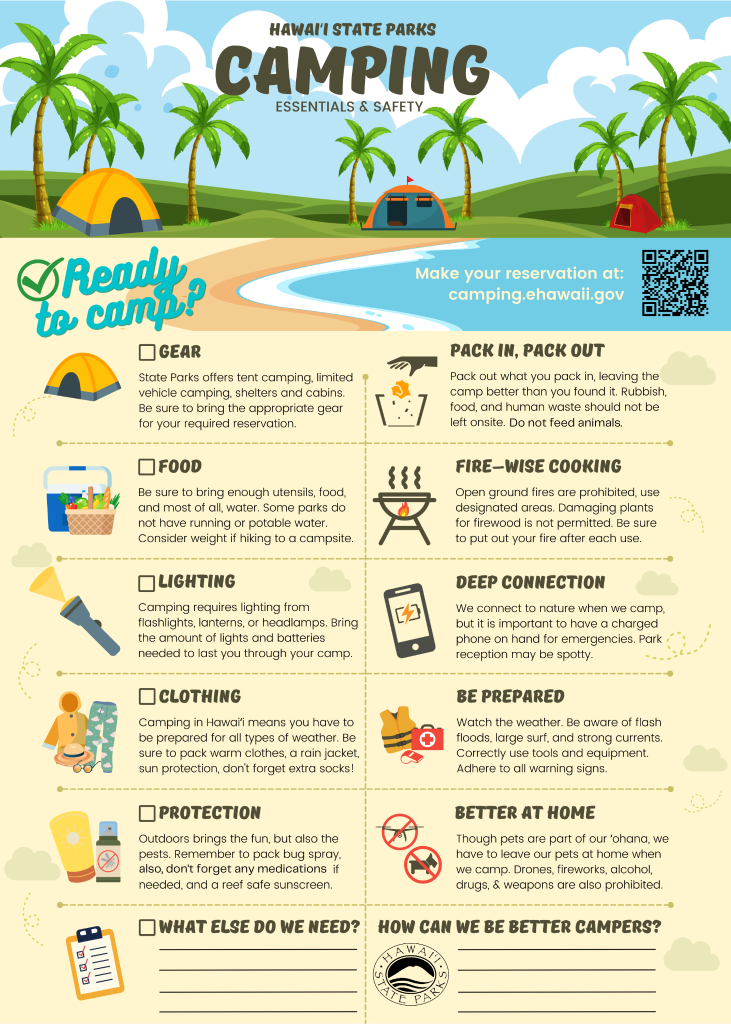
Hawaii Camping Gear Checklist
- Tent - A waterproof and durable tent is crucial for protection from rain and insects. Consider a lightweight backpacking tent if you plan to hike to your campsite.
- Sleeping Bag - Hawaii's temperatures are generally mild, but higher elevations (like Volcanoes National Park) can get chilly at night. A sleeping bag rated for 40-50°F is a good choice.
- Headlamp or Flashlight - Essential for navigating campsites at night and for safety. Bring extra batteries!
- Insect Repellent - Mosquitoes and other insects can be prevalent, especially in rainforest areas. Look for repellents containing DEET or picaridin.
- Sunscreen - The Hawaiian sun is strong. A broad-spectrum, high-SPF sunscreen is vital for protecting your skin.
- Hiking Boots or Sturdy Shoes - If you plan on hiking, comfortable and supportive footwear is a must. Water shoes are also useful for rocky beaches.
- Water Filter or Purification Tablets - While water sources may be available, it's best to purify water before drinking to avoid potential contaminants.
- First-Aid Kit - A comprehensive first-aid kit is essential for treating minor injuries and illnesses. Include blister treatment, antiseptic wipes, and pain relievers.
Hidden Costs & Pro Tips
Beyond the obvious expenses, several hidden costs can quickly add up during a Hawaii camping trip. Food is significantly more expensive in Hawaii than on the mainland. Expect to pay a premium for groceries, and restaurant meals can be very pricey. Cooking your own meals is the best way to save money. Water is another potential expense, especially if you’re camping in a remote area without access to a water source.
Sunscreen is essential in Hawaii’s strong sun, and it can be surprisingly expensive. Buy it before you arrive or look for sales at local stores. Activities like snorkeling, surfing, and hiking can also add to your costs. Look for free or low-cost activities, such as exploring beaches, hiking trails, and visiting local parks.
Camping during the off-season (spring and fall) can help you save money on flights, rental cars, and accommodations. However, be prepared for potentially wetter weather. Be aware of potential fines for breaking camping rules, such as camping in unauthorized areas or leaving trash behind. Fines can range from $100 to $1000.
Pack a heavy-duty power bank. Most county parks don't have outlets, and your phone will die searching for a signal in the valleys. Also, bring a real first-aid kit with antiseptic; tropical scratches turn into infections fast in this humidity.
- Groceries: $70/day (expect to pay $9 for a gallon of milk at small markets)
- Water: $10-$20 for bottled water (if needed).
- Sunscreen: $10-$20 per bottle.
- Activities: Budget $50-$200 for activities (optional).
No comments yet. Be the first to share your thoughts!