

Adventure costs are rising
The cost of pursuing adventure is undeniably on the rise. A recent report from OVR Mag detailed the staggering expenses associated with even moderately sized expeditions, with costs easily reaching tens of thousands of dollars. Fuel, permits, specialized gear, and simply reaching remote locations are all becoming more expensive. This trend is putting authentic adventure out of reach for many.
AI is changing that. New tools are cutting adventure costs by optimizing the boring parts of planning. Early data suggests these systems will shave 40% off total trip expenses by 2026.
This isn't about finding free trips. It's about using dynamic data to catch price drops and find routes most people miss. Here is how you can use these tools to keep your travel fund from disappearing.
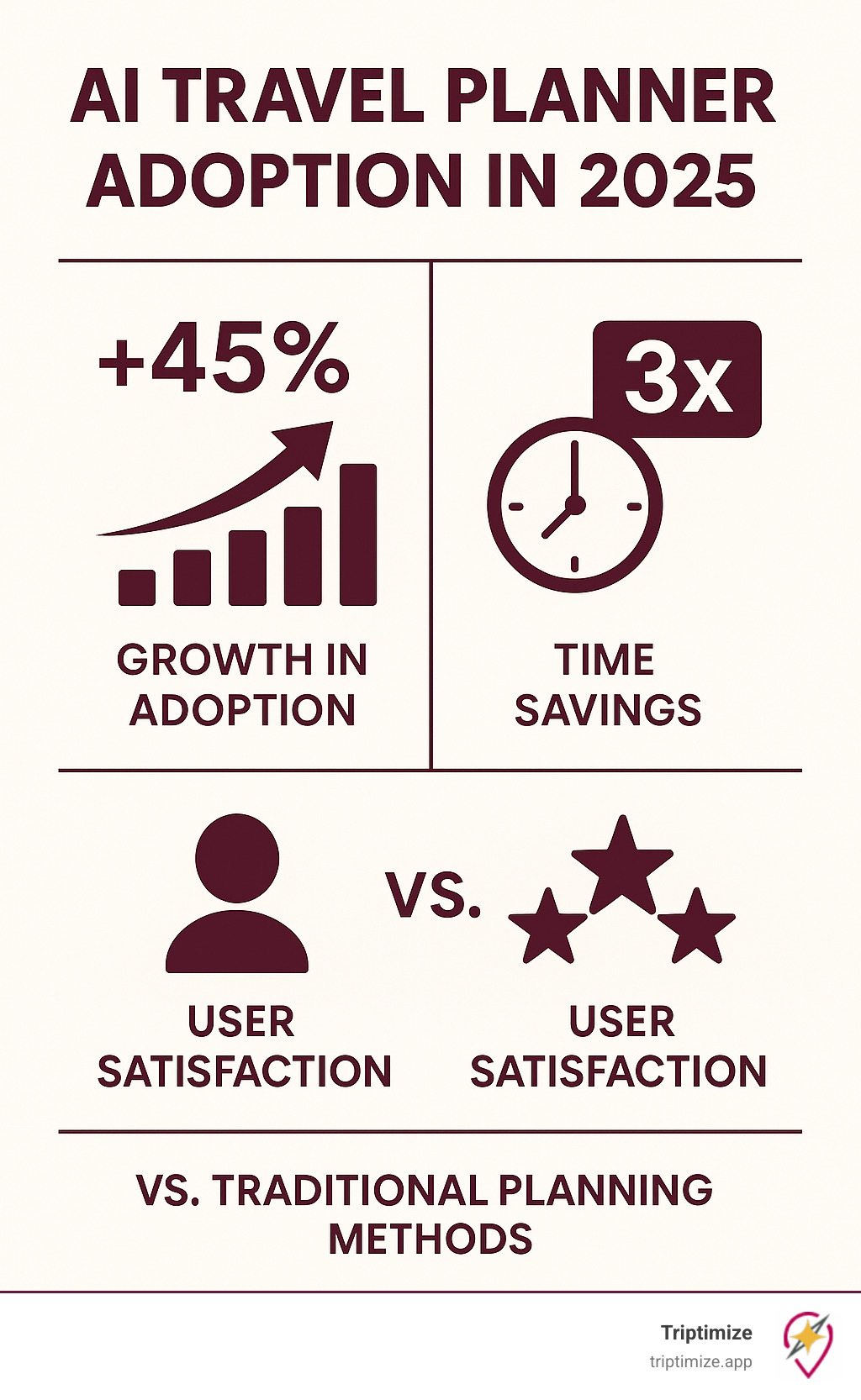
Where AI planning stands now
AI in travel isn’t some distant future concept; it’s already here, though still evolving. Right now, the most common applications center around predicting flight prices – tools like Hopper and Google Flights utilize machine learning to forecast price fluctuations and advise on the best time to book. Accommodation is another area where AI is making inroads, with platforms analyzing data to suggest hotels or rentals that fit your budget and preferences.
Expedia is clearly positioning itself to be a major player in the adventure travel space by 2026, integrating AI into its platform to offer more personalized and cost-effective itineraries. Beyond the big players, numerous startups are focusing on niche areas, like route optimization for road trips or identifying off-the-beaten-path destinations. They are working to offer tools that generate complete itineraries, factoring in your interests, budget, and time constraints.
However, it’s important to be realistic about what these tools can do today. Most still struggle with complex, multi-destination trips involving unique activities. They often lack the nuance to understand the specific needs of adventure travelers – things like gear requirements, permit availability, or local conditions. They’re excellent at finding deals on flights and hotels, but less adept at planning a challenging trek or a remote climbing expedition.
How to find the 40% savings
So, how does AI deliver on that 40% savings claim? It boils down to a few key areas. Dynamic pricing analysis is perhaps the biggest contributor. AI algorithms can monitor flight and lodging prices in real-time, identifying patterns and predicting when prices are likely to drop. This allows travelers to book at the optimal moment, avoiding inflated prices.
Another significant savings driver is the recommendation of off-season travel. AI can analyze historical data to identify periods when demand is lower, resulting in substantial discounts on flights, accommodation, and activities. It isn’t always about avoiding peak season altogether, but rather shifting your travel dates slightly to take advantage of lower prices. For example, instead of traveling to the Caribbean in December, an AI might suggest November or early December.
AI excels at suggesting alternative destinations. If your heart is set on a ski trip, but the popular resorts are prohibitively expensive, the AI might suggest a lesser-known area with similar conditions, saving you $500 on lodging and lift tickets. It might also identify bundling opportunities – combining flights, hotels, and activities into a package deal that’s cheaper than booking each component separately. This is especially effective for complex itineraries.
Finally, AI-driven comparison tools can quickly scan hundreds of websites to find the best deals on everything from car rentals to travel insurance. It removes the painstaking work of manually comparing prices, ensuring you’re getting the most value for your money.
- Dynamic pricing: AI catches price drops in real-time.
- Off-Season Recommendations: Suggests travel dates with lower demand.
- Alternative Destinations: Proposes less expensive locations with similar experiences.
- Bundling Optimization: Combines travel components for package discounts.
Traditional vs. AI-Powered Trip Planning: A Comparative Analysis (Projected for 2026)
| Planning Aspect | Traditional Planning | AI-Powered Planning | Potential Cost Impact |
|---|---|---|---|
| Price Discovery | Extensive manual research across multiple sites. | Aggregated real-time pricing from diverse sources; identifies hidden deals. | High potential for cost savings (estimated up to 15-20% reduction in core travel expenses). |
| Time Investment | Significant time commitment – hours or days for research and booking. | Automated itinerary generation and booking; reduces planning time dramatically. | Indirect cost savings through time efficiency – allowing for more productive use of time. |
| Customization | Relies on individual preferences and manual adjustments. | Personalized recommendations based on detailed preference analysis and machine learning. | Enhanced trip satisfaction; potentially avoiding costly changes due to mismatches. |
| Risk Mitigation (Disruptions) | Reactive response to disruptions (e.g., flight cancellations, weather events). | Proactive monitoring and alternative suggestions; automated rebooking options. | Reduced financial loss from unforeseen circumstances; minimizing change fees and additional expenses. |
| Unexpected Cost Avoidance | Limited awareness of potential hidden costs (e.g., baggage fees, local taxes). | AI anticipates and flags potential hidden costs; provides cost-effective alternatives. | Moderate potential for savings (estimated 5-10% reduction in total trip cost). |
| Accommodation Options | Dependent on user searching and filtering. | AI suggests accommodations based on budget, location, and user reviews, including options not readily found through standard searches. | Potential for finding more affordable and suitable lodging options. |
| Activity Planning | Manual research of activities and booking. | AI suggests activities based on interests, weather conditions, and local events; dynamic pricing alerts. | Optimized activity selection; potentially avoiding overpriced or unsuitable options. |
Illustrative comparison based on the article research brief. Verify current pricing, limits, and product details in the official docs before relying on it.
Beyond Flights & Hotels
The cost savings don’t stop at flights and hotels. AI is also beginning to impact the cost of activities, transportation within a destination, and even food. For road trips, AI-powered route optimization tools can identify the most fuel-efficient routes, avoiding traffic congestion and minimizing travel time. They can also suggest free or low-cost attractions along the way.
AI can help you discover local deals and discounts on activities. Instead of booking a pricey guided tour through a major operator, the AI might identify a smaller, local company offering a similar experience at a fraction of the cost. It can also point you towards free activities, like hiking trails, parks, or museums with free admission days.
Even dining can be optimized. AI-powered apps can identify restaurants with happy hour specials, early bird discounts, or other promotions. They can also help you avoid tourist traps, which often charge inflated prices for mediocre food. Ultimately, AI is about empowering travelers to make informed decisions and avoid unnecessary expenses.
Real-World Examples: AI in Action
Consider Sarah, a solo backpacker planning a three-week trip through Southeast Asia. Using an AI-powered flight search engine, she saved $300 on her round-trip ticket by shifting her travel dates by just one week. The AI also identified budget-friendly hostels and guesthouses in each city, reducing her accommodation costs by 20%.
Then there’s the Miller family, who were planning a summer vacation to Yellowstone National Park. They used an AI travel planner to create a customized itinerary, including recommendations for hiking trails, wildlife viewing spots, and affordable restaurants. The AI also alerted them to a lesser-known campground just outside the park, saving them $200 on lodging compared to staying in a hotel.
Finally, Mark, a seasoned climber, leveraged AI to plan a climbing expedition in Patagonia. The AI identified a local guide service offering a more competitive rate than the major operators, and it also helped him find discounted flights and transportation options. In total, he saved over $800 on his trip, allowing him to extend his stay and tackle more challenging climbs.
What is coming next
Looking ahead to 2026 and beyond, we can expect to see even more sophisticated AI-powered features in the travel planning space. Personalized adventure recommendations will become increasingly common, with AI algorithms tailoring itineraries to your specific interests, skill level, and risk tolerance. Imagine an AI suggesting a challenging trek in Nepal based on your previous hiking experience.
AI-powered travel insurance is another exciting development. These policies could dynamically adjust coverage based on your itinerary and real-time conditions, providing more comprehensive protection. Virtual reality travel previews will allow you to experience a destination before you even book your trip, helping you make more informed decisions.
Ultimately, AI has the potential to democratize adventure travel, making it more accessible and affordable for everyone. By automating tedious tasks, uncovering hidden deals, and providing personalized recommendations, AI can empower travelers to pursue their passions without breaking the bank. The key will be to balance the benefits of AI with the need for data privacy and responsible travel practices.
Tools to Get You Started
Ready to start leveraging AI for your next adventure? Here are a few tools to explore: Hopper excels at predicting flight prices and recommending the best time to book. Google Flights offers a comprehensive search engine and price tracking features. PackPoint creates personalized packing lists based on your destination and activities.
Roadtrippers is ideal for planning road trips, identifying attractions, and finding local deals. Rome2Rio helps you find the best way to get from point A to point B, combining flights, trains, buses, and ferries. These tools represent just a starting point, but they demonstrate the power of AI to transform the travel planning process.
- Hopper: Flight price prediction and booking.
- Google Flights: Comprehensive flight search and tracking.
- PackPoint: Personalized packing lists.
- Roadtrippers: Road trip planning and local deals.
- Rome2Rio: Multi-modal transportation planning.
No comments yet. Be the first to share your thoughts!