
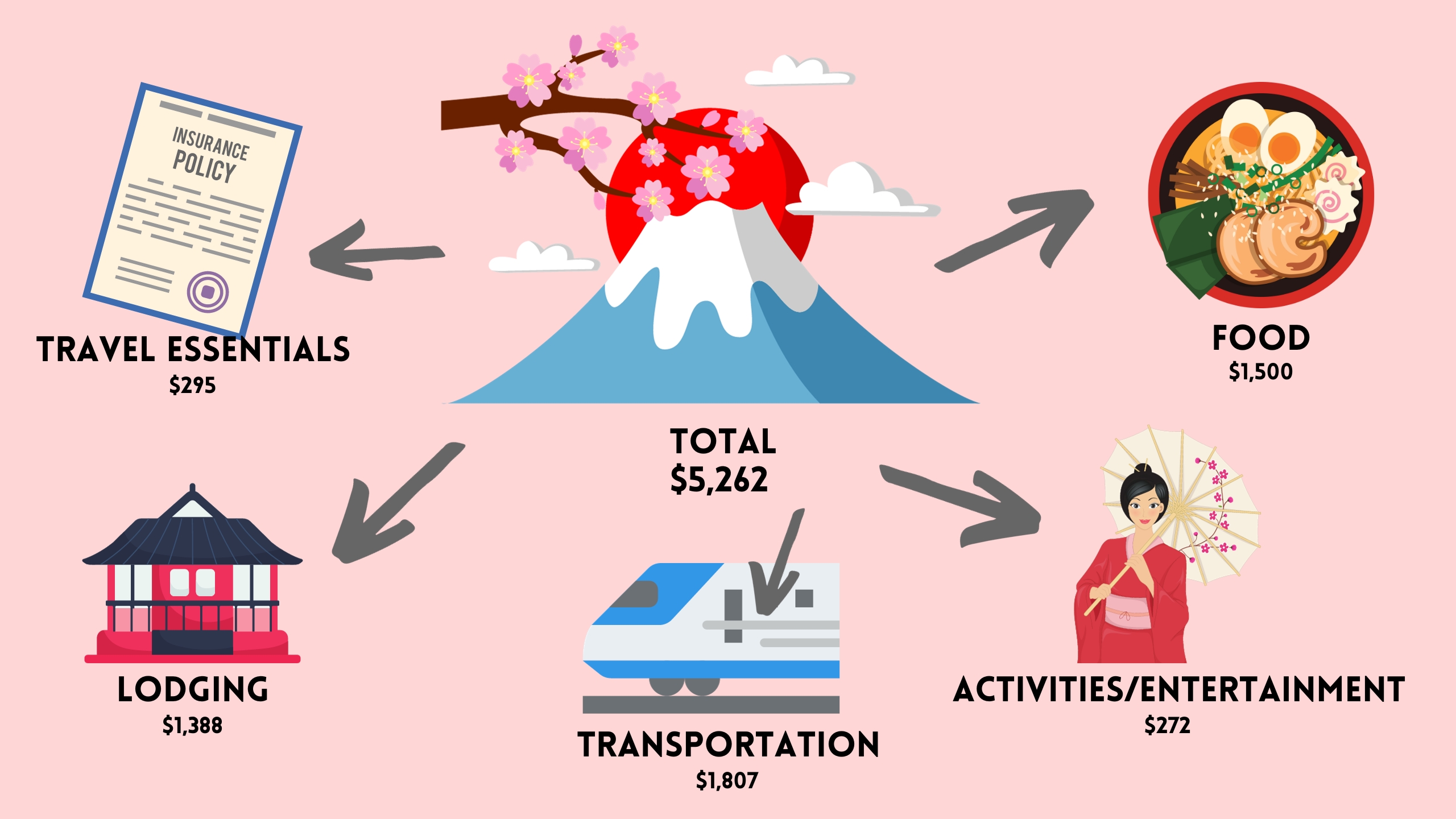

The basics: what you need before you book
Before you start comparing hiking gear or food tour prices, you need to sort out the logistics that make or break your budget. A one-week trip to Japan for one person typically starts around US$1,700, with mid-range averages hitting roughly $2,000 when you include basic flights and casual dining [src-fallback-1, src-fallback-2]. This baseline assumes you are comfortable with standard hotels and public transit, not luxury ryokans or private drivers.
Your biggest variable will be the exchange rate. The yen’s fluctuation directly impacts everything from your ramen budget to your Mount Fuji permit. Check current rates early, but don’t wait for a perfect moment to book flights; airfares are often the most fixed cost in your itinerary. Secure your international flights first, then lock in your domestic rail passes if you plan to hop between Tokyo, Kyoto, and Osaka.
Visa requirements depend on your passport, so verify your eligibility before finalizing dates. Many travelers can enter visa-free for short stays, but others need to apply weeks in advance. Finally, ensure you have a reliable way to stay connected. A pocket Wi-Fi device or an eSIM is essential for navigating trains and translating menus, adding about $5–$10 per day to your costs. Skipping this can leave you stranded and confused, costing you more in missed connections than the data plan ever would.
Follow the process
To Japan Adventure Travel Costs in works best as a sequence, not a pile of settings. Do the minimum first: confirm compatibility, connect the primary device, update only when needed, and test the result before adding optional features. That order keeps the task understandable and makes failures easier to isolate.
After each step, pause long enough for the device or app to finish syncing. Many setup problems are timing problems disguised as configuration problems. If the same step fails twice, record the exact error, restart the smallest affected piece, and retry before moving deeper.
Avoid these mistakes
The easiest mistake with to Japan Adventure Travel Costs in is changing too much at once. Rename devices, move networks, update firmware, or adjust permissions one at a time. When setup fails, the last change should be obvious enough to undo without rebuilding the whole configuration.
Do not treat a successful app screen as the final test. Use the physical control, the app, and any connected automation to confirm the setup works from every path the reader will actually use.
The simplest way to use this section is to keep the setup small, verify each change, and document the working configuration before adding extra devices.
Common questions about Japan adventure travel costs
Planning a trip to Japan in 2026 requires understanding how currency fluctuations and activity choices impact your daily budget. The weak yen currently makes this one of the most affordable times to visit in a decade, but adventure activities like hiking Mount Fuji or guided food tours add specific costs to your itinerary.
How much does a week-long trip to Japan cost?
A typical one-week trip for one person ranges from $1,700 to $3,500, depending on your travel style. Budget travelers can manage on approximately $100 per day, covering hostels, local trains, and convenience store meals. Mid-range travelers should expect to spend around $200 daily for comfortable hotels, Shinkansen passes, and sit-down dining. Luxury itineraries often exceed $400 per day.
Is hiking Mount Fuji expensive?
Climbing Mount Fuji itself is free, but logistics cost money. You will need a bus or train to the 5th Station, typically costing ¥1,000–¥2,000 each way. If you stay in a mountain hut, expect to pay ¥5,000–¥15,000 per night. Guided tours, which include transport and accommodation, usually range from ¥20,000 to ¥40,000 per person.
Are food tours worth the extra cost?
Tokyo food tours generally cost between $80 and $150 per person. These tours provide access to hidden izakayas and sushi bars that are difficult to navigate without Japanese language skills. For budget travelers, self-guided exploration is cheaper, but a tour saves time and ensures you experience authentic local cuisine without the guesswork.
What is the best time to book for lower prices?
Book flights 2–3 months in advance and accommodations 4–6 months ahead. Avoid peak seasons like Golden Week (late April/early May) and cherry blossom season (late March to early April), when prices surge. Winter months (January–February) offer the lowest rates for both flights and lodging, though weather conditions may limit some outdoor activities.
Detailed breakdown of daily expenses
To truly understand where your money goes, it helps to break down the daily costs by category. This granular view allows you to adjust specific areas of your trip without overhauling your entire plan.
Accommodation costs
Accommodation is often the largest fixed cost. In Tokyo and Kyoto, business hotels like APA or Dormy Inn offer clean, compact rooms for $80–$120 per night. These are ideal for solo travelers or couples who plan to spend most of their time exploring. For a more authentic experience, consider a minshuku (family-run guesthouse) in rural areas, which can cost as little as $50–$70 per night and includes breakfast. Ryokans, the traditional inns, are a splurge, starting at $200 per night and often exceeding $500 for high-end establishments with kaiseki meals. Book these well in advance, especially during peak seasons.
Transportation nuances
While the Japan Rail Pass has increased in price, it can still be worth it for extensive travel. Calculate your route using the JR Pass calculator before buying. For city travel, a prepaid IC card like Suica or Pasmo is essential. It works on most trains, buses, and even at convenience stores. Avoid buying single-journey tickets whenever possible; the time saved and the slight discount add up. For inter-city travel, consider highway buses as a budget alternative to the Shinkansen. A overnight bus from Tokyo to Kyoto can cost as little as $40–$60, saving you a night’s accommodation.
Food and dining strategies
Food in Japan is affordable if you know where to look. Convenience stores (7-Eleven, Lawson, FamilyMart) offer high-quality onigiri, bento boxes, and sandwiches for $3–$6. Ramen shops typically charge $10–$15 for a hearty bowl. For a special dinner, a set meal (teishoku) at a local restaurant often costs $15–$25 and includes rice, soup, and a main dish. Avoid tourist-trap restaurants in areas like Shibuya Crossing or near major temples, where prices are inflated and quality is lower. Instead, venture into residential neighborhoods or use apps like Tabelog to find highly-rated local spots.
Practical tips for maximizing your budget
Use local SIM cards or eSIMs
While pocket Wi-Fi is convenient, it requires pickup and return. An eSIM is often cheaper and more flexible. Providers like Ubigi or Airalo offer data plans tailored for Japan. Ensure your phone is unlocked before you leave. This small investment prevents costly roaming charges and ensures you can use navigation apps without relying on expensive hotel Wi-Fi.
Take advantage of free attractions
Japan is rich in free cultural experiences. Visit Shinto shrines and Buddhist temples, which often have minimal or no entry fees. Explore public parks like Ueno Park in Tokyo or Maruyama Park in Kyoto. Many museums have free days or discounted hours. Research these options in advance to fill gaps in your itinerary without spending extra money.
Shop at local markets
For souvenirs and snacks, avoid airport shops and tourist-oriented stores. Visit local markets like Tsukiji Outer Market in Tokyo or Nishiki Market in Kyoto. Here, you can buy fresh seafood, pickles, and traditional sweets at reasonable prices. Bargaining is not common in Japan, but you can often find multi-buy discounts or sample items before purchasing.
Conclusion
Planning a trip to Japan requires careful budgeting, but with the right strategies, it can be an affordable and enriching experience. By understanding the costs of accommodation, transportation, and food, and by making smart choices like using local SIMs and exploring free attractions, you can maximize your travel budget. Remember to book in advance, especially for peak seasons, and always keep a buffer for unexpected expenses. With proper planning, your Japan adventure can be both memorable and financially sustainable.
No comments yet. Be the first to share your thoughts!