

Daily lift ticket prices by resort tier
Lift tickets are the single largest variable cost in a Colorado ski trip. Prices vary significantly depending on the resort's brand recognition, terrain size, and proximity to Denver. Understanding these tiers helps you allocate your budget more effectively, whether you are prioritizing backcountry access or world-class terrain parks.
We can group Colorado resorts into three distinct price categories. Premium resorts like Vail and Beaver Creek command the highest rates, often exceeding $250 for a single day. Mid-range options like Breckenridge and Keystone offer a middle ground, typically falling between $200 and $240. Budget-friendly choices, such as Loveland and Ski Cooper, provide accessible entry points, often under $150 for an adult day pass.
The following table compares daily lift ticket prices across representative resorts in each tier. These figures reflect standard adult day pass rates and can fluctuate based on holiday demand and how far in advance you purchase.
| Tier | Resort | Daily Adult Pass |
|---|---|---|
| Premium | Vail | $269 |
| Premium | Beaver Creek | $279 |
| Mid-Range | Breckenridge | $229 |
| Mid-Range | Keystone | $219 |
| Budget | Loveland | $149 |
| Budget | Ski Cooper | $109 |
Buying online in advance is critical. Walk-up prices at the ticket window are almost always higher than online rates. For the budget tier, resorts like Loveland are known for their no-frills approach, which keeps costs down without sacrificing vertical feet. Premium resorts justify their higher price tags with extensive terrain, luxury amenities, and consistent snowmaking infrastructure.
Lodging costs near major ski areas
Where you sleep is the single biggest variable in your Colorado ski budget. Accommodation prices don't just scale with comfort; they scale with proximity to the mountain base. Choosing ski-in/ski-out luxury villas can easily push nightly rates above $1,000, while staying in nearby towns or opting for shared condos can drop that figure to under $200.
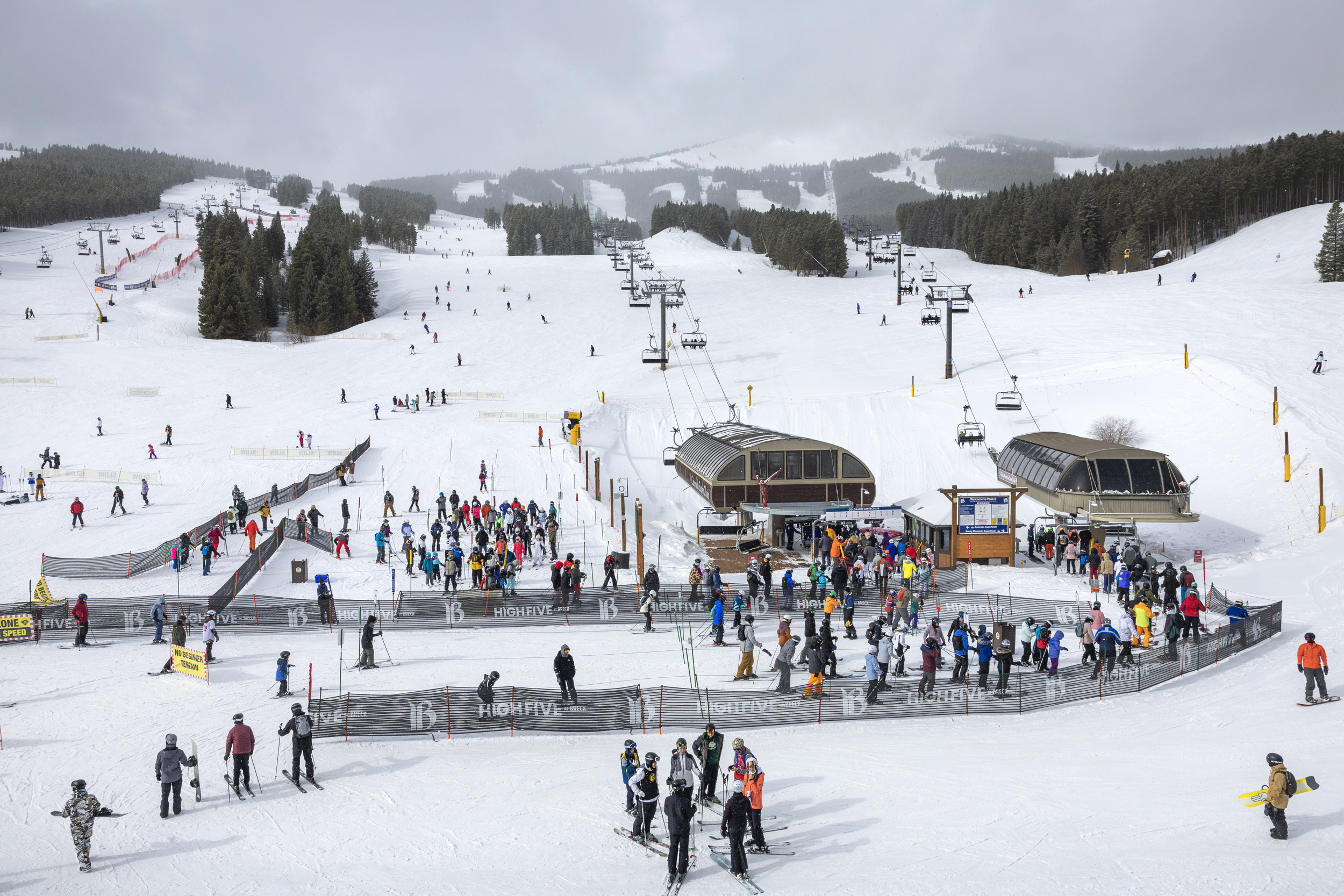
The cost difference between on-mountain and off-mountain lodging is stark. Ski-in/ski-out resorts like Breckenridge or Vail command premium rates for the convenience of stepping out your door and onto the slopes. These properties often include amenities like heated pools and concierge services, but you are paying primarily for location. Conversely, lodging in towns like Leadville or Silverthone offers significant savings. Leadville, for instance, is often cited as one of the most affordable ski towns in Colorado, with budget-friendly options that are just a short drive from the slopes.
To manage costs, consider splitting your stay. You might book a few nights at a ski-in/ski-out hotel for the weekend peak and then move to a budget motel or Airbnb further away for the week. This hybrid approach allows you to enjoy the mountain convenience without breaking the bank on every single night. Remember, rental cars in Colorado are relatively inexpensive compared to lodging, so the drive to the mountain is often worth the savings.
The key is to balance your budget against your desire for convenience. If you value every minute on the slope, the premium lodging makes sense. If you are happy to drive 20 minutes to the mountain, you can allocate those savings toward lift tickets or gear rentals.
Gear rentals and daily expenses
Beyond the lift ticket, your daily spend in Colorado adds up quickly. Equipment rental, food, and local transportation represent the hidden costs that often blow a budget. For a typical day at a major resort, expect to pay $40 to $100 for a basic ski package, which includes skis, boots, and poles.
Food costs are steep on the mountain. A single lunch at a lodge or cafe typically runs $30 to $40 per person. If you plan to eat dinner in town, expect to spend another $40 to $60 per person at a mid-range restaurant. Bringing your own snacks and lunch can cut this expense significantly.
Transportation adds another layer of cost. If you are not staying in a walkable village, you will need a car. Gas prices in mountain towns are often 20-30% higher than in Denver. Parking at major resorts like Vail, Breckenridge, and Keystone can cost $30 to $50 per day.
Daily Spend Breakdown
To help you plan, here is a realistic estimate of what a single skier might spend in one day at a major Colorado resort.
| Expense Category | Budget Option | Standard Option |
|---|---|---|
| Equipment Rental | $40 | $80 |
| Lunch | $15 (packed) | $35 (lodge) |
| Dinner | $25 (grocery) | $55 (restaurant) |
| Parking | $0 (if free) | $40 (resort lot) |
| Total Daily Total | $80 | $210 |
This breakdown excludes lodging and lift tickets, which are covered in other sections. By managing food and parking, you can keep your daily out-of-pocket expenses closer to the lower end of the range.
Season pass value for frequent skiers
A season pass stops being a luxury and becomes a budget tool once your visit count crosses a specific threshold. For regular skiers, the math is straightforward: buying daily lift tickets adds up quickly, while a pass locks in a fixed annual cost.
The average season pass price across Colorado ski resorts sits around $859, according to recent industry data. Major resort passes like the Epic Pass start at similar early-bird rates, often near $859 for adults. At smaller, independent mountains, prices can be lower. For example, Wolf Creek Ski Area lists adult passes starting around $815 online, with some regional options dipping even lower for locals.
To see when a pass pays for itself, compare the pass price to the average daily lift ticket. If a single-day ticket costs $200, you break even after just four days. At $150 per day, the break-even point moves to six days. Most frequent skiers who visit ten or more times a year will save significantly by purchasing a season pass rather than buying daily tickets.
| Visits | Daily Ticket Total | Season Pass | Savings |
|---|---|---|---|
| 4 | $800 | $800 | $0 |
| 6 | $1,200 | $800 | $400 |
| 10 | $2,000 | $800 | $1,200 |
The decision ultimately depends on your schedule and travel plans. If you live near a resort or plan multiple weekend trips, the pass offers clear financial protection against rising daily ticket prices. For occasional visitors, daily tickets or multi-day bundles remain the more flexible and cost-effective choice.
Ways to reduce your Colorado ski budget
Lift tickets in Colorado typically range from $150 to over $200 per day at major resorts. You can lower this cost by booking early, skiing mid-week, or choosing smaller mountains.
Ski Cooper, located near Leadville, is one of the most affordable ski areas in the state. It often offers day passes for significantly less than the $150 average. Other less crowded resorts in the San Juan Mountains also provide lower-priced options.
Skiing mid-week instead of weekends can save you money on both tickets and lodging. Many resorts offer discounted lift tickets for Tuesday through Thursday. Booking your trip well in advance also helps secure better rates for lodging and equipment rentals.
Frequently asked questions about Colorado ski costs
How expensive is it to ski in Colorado?
Colorado skiing ranges from budget-friendly to premium. Lift tickets for major resorts like Vail or Aspen typically run $200–$300 per day. Lodging varies widely, with budget motels starting around $150 a night and luxury condos exceeding $1,000. Daily expenses for rentals ($40–$100) and food ($30–$50 per meal) add up quickly, making a single day at a top-tier resort easily cost over $400 per person.
Is there affordable skiing in Colorado?
Yes. While the big mountains are pricey, smaller areas offer significant savings. Ski Cooper is often cited as one of the best values, with lift tickets frequently under $100. Other affordable options exist in the San Juan Mountains and Sangre de Cristo Range, where day passes can be significantly cheaper than the $300 average at front-range resorts. Booking early or buying multi-day passes also lowers the per-day cost.
How much does a 1-week ski trip cost?
A typical week-long ski trip in Colorado costs between $2,000 and $5,000 per person, depending on your choices. This estimate includes lift tickets ($1,000–$1,500), mid-range lodging ($800–$2,000), rentals, and meals. Traveling during non-holiday weeks, staying in nearby towns like Leadville or Salida instead of resort villages, and packing some meals can keep costs toward the lower end of that range.
No comments yet. Be the first to share your thoughts!