

Colorado ski costs at a glance
The skiing Colorado cost 2026 for a standard lift ticket at major resorts like Vail, Breckenridge, or Aspen Snowmass typically sits between $250 and $280 per person for a single day. These prices represent a significant jump from previous seasons and underscore why a day on the mountain is often the most expensive part of the trip.
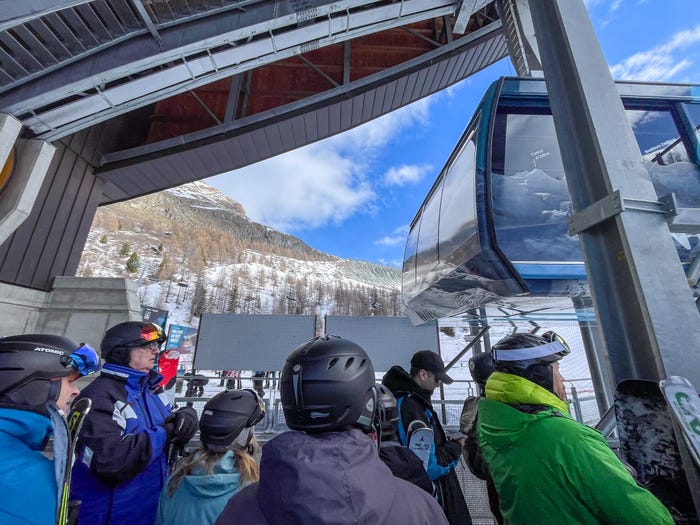
Beyond the lift ticket, gear rentals add substantial overhead. Expect to pay roughly $75 to $100 for a full day of ski or snowboard package rentals, including boots, skis, and poles. If you are traveling with a family, these costs compound quickly. A recent analysis of a five-day weekday trip for two adults and two children at Breckenridge showed base lift and rental costs approaching $3,000 before accounting for lodging, food, or transportation.
To put these numbers in perspective, a single day of skiing at a top-tier Colorado resort can easily cost more than a week of camping in Hawaii. Understanding this baseline is essential for anyone comparing the two distinct travel experiences.
Hawaii camping expenses explained
Flying to Hawaii is the single largest expense for this trip, often eclipsing the cost of lodging and activities combined. Round-trip economy flights from the US West Coast typically range from $300 to $600 per person, depending on the season and how far in advance you book. Once you land, the budget dynamic shifts dramatically in your favor. While ski resorts charge premium rates for lift tickets and gear, Hawaii’s public camping infrastructure is remarkably affordable.
State and county campgrounds are the most economical way to stay on the islands. A standard tent site usually costs between $30 and $40 per night. These sites provide basic amenities like showers, restrooms, and sometimes even kitchen facilities. The contrast with a ski trip is stark: in Colorado, a single day of skiing can cost $200 or more, whereas a week of camping in Hawaii might total less than $250 for accommodation.
However, the low nightly rate does not cover everything. You must budget for rental gear if you plan to snorkel or hike, and food costs on the islands are significantly higher than on the mainland. A simple grocery run can cost $100 for a family of four for a few days, but this is still far less than the daily expense of resort dining. The trade-off is clear: you pay a premium to get there, but the ground costs are minimal.
Travel and lodging comparison
Getting to Colorado and Hawaii requires different financial strategies. Colorado is largely a drive-in destination for residents of the Mountain West, though flying into Denver International Airport is common for longer-distance travelers. Hawaii, by contrast, is an island destination where airfare is the unavoidable entry fee, often costing more than the lodging itself.
Once you arrive, the trade-off shifts to where you sleep. Colorado offers a range from budget-friendly campgrounds to luxury resorts, while Hawaii’s limited land area and high demand push accommodation costs significantly higher, even for basic motels. Understanding these baseline costs is essential when calculating the total skiing Colorado cost 2026 versus a tropical vacation.
The table above highlights that while daily expenses like gas are lower in Colorado, the upfront travel cost can be minimized by driving. Hawaii’s isolation means airfare is a fixed, high cost regardless of how long you stay, and lodging rates reflect the premium island market. For a week-long trip, these variables can create a $1,000+ difference in baseline spending before you even buy a lift ticket or rent a kayak.
Gear and activity add-ons
The base price of a lift ticket is rarely the final bill. When calculating the skiing Colorado cost 2026, you must account for the equipment and instruction that turn a pass into a trip. Rentals, lessons, and meals add significant weight to the budget, often doubling the per-day expense for beginners or families.
Skiing Costs in Colorado
Renting a full ski package—boots, skis, and poles—typically runs $40 to $70 per day at major resorts. If you skip lessons, you save money but risk a frustrating experience. A single half-day group lesson usually costs $150 to $250 per person, while private instruction can exceed $400 for two hours.
Food is another major variable. On-mountain meals are priced at a premium, with a standard lunch running $20 to $30 per person. Bringing your own food from a grocery store in town can cut this cost by half. For a family of four, a week of on-mountain dining can easily add $500 to the total bill.
Camping Costs in Hawaii
Hawaii’s gear costs revolve around transportation and park access rather than specialized equipment. Renting a car is the primary expense, averaging $60 to $100 per day depending on the season and island. For those planning beach activities, renting a kayak or snorkel set costs about $40 to $60 for a half-day.
Park fees are the equivalent of lift tickets in Hawaii. Entry to state parks like Haleakalā or Volcanoes National Park costs $10 to $30 per vehicle, valid for three days. This is a one-time or short-term fee, unlike the daily pass model of Colorado skiing.
Food in Hawaii varies widely. While resort dining is expensive, local food trucks and grocery stores offer meals for $10 to $15. A family can eat well on a modest budget by avoiding tourist-trap restaurants, keeping daily food costs lower than the average ski resort lunch.
Comparison of Add-Ons
| Expense Category | Colorado (Skiing) | Hawaii (Camping) |
|---|---|---|
| Daily Gear Rental | $40-$70 (Skis/Boots) | $60-$100 (Car) |
| Instruction/Fees | $150-$400 (Lessons) | $10-$30 (Park Entry) |
| Daily Food (Family) | $80-$120 (On-mountain) | $40-$60 (Local/Grocery) |
The table above highlights the structural difference in costs. Colorado requires daily spending on gear and food to enjoy the slopes, while Hawaii’s costs are front-loaded in transportation and park access, with more flexibility in food choices.
Choosing your 2026 adventure
Use this section to make the Skiing Colorado Cost vs. Camping Hawaii decision easier to compare in real life, not just on paper. Start with the reader's actual constraint, then separate must-have requirements from details that are merely nice to have. A practical choice should survive normal use, maintenance, timing, and budget. If a recommendation only works in an ideal situation, call that out plainly and give the reader a fallback path.
-
Verify the basicsConfirm the core specs, condition, and fit before comparing extras.
-
Price the downsideLook for the repair, maintenance, or replacement cost that would change the decision.
-
Compare alternativesCheck at least two comparable options before treating one listing as the benchmark.
Common questions about 2026 travel costs
Where should I ski in 2026? Beyond Colorado, popular 2026 ski destinations include Schweitzer in Idaho, Mammoth in California, and Deer Valley in Utah. International options like the Dolomites in Italy and Banff in Canada also rank high for snow quality and scenery.
How much does a week-long family ski trip to Colorado cost in 2026? A five-day weekday trip for two adults and two children at Breckenridge Resort costs approximately $3,000. This estimate typically covers lift tickets and basic lodging, excluding meals and travel to the state.
What is the cheapest time to visit Hawaii for camping? The most affordable periods for Hawaii camping are during the shoulder seasons of spring (April to May) and fall (September to November). Avoiding major holidays and winter peak travel can significantly reduce campsite and flight costs.
No comments yet. Be the first to share your thoughts!