

Compare lift ticket options first
Lift tickets are often the single largest expense when planning a trip to ski in Colorado. Prices vary wildly depending on the resort, the time of year, and exactly how you buy them. A walk-up ticket at a major destination can cost nearly double what you pay if you plan ahead online. Understanding this variance is the first step to controlling your skiing Colorado cost.
Online vs. Walk-Up Pricing
The difference between buying a ticket at the window versus on a resort’s website is significant. Most major Colorado resorts charge a premium for same-day purchases to encourage advance planning. For example, a one-day adult ticket at Vail Mountain can exceed $200 at the window, while purchasing online weeks in advance might drop that price closer to $150-$180. Breckenridge and Keystone follow similar models, with walk-up prices often hitting $200-$220 compared to online rates of $160-$190.
Smaller or regional resorts like Loveland or Eldora offer a different pricing structure. Their daily lift tickets are generally lower across the board, often ranging from $100 to $140 even at the window. However, the gap between online and walk-up prices still exists, though it is less dramatic than at the mega-resorts. Always check the specific resort’s website for their current dynamic pricing schedule before you arrive.
Discounted Channels
If buying directly from the resort is too expensive, look for third-party authorized dealers. Sites like OnTheSnow or resort-affiliated discount programs often offer tickets at a reduced rate, typically 10-20% off the online price. These discounts are most reliable for mid-week visits or during non-holiday periods. Be cautious of unofficial resellers on social media; only use verified partners to avoid invalid tickets.
Daily Lift Ticket Price Comparison
The table below illustrates the typical price ranges for one-day adult lift tickets at popular Colorado destinations. These figures represent approximate daily rates for the 2024-2025 season and highlight the savings available through advance online purchases versus walk-up windows.
| Resort | Online Price (Approx.) | Walk-Up Price (Approx.) | Savings by Buying Online |
|---|---|---|---|
| Vail Mountain | $150 - $180 | $200 - $230 | $50 - $50 |
| Breckenridge | $160 - $190 | $200 - $220 | $40 - $30 |
| Keystone | $150 - $180 | $190 - $210 | $40 - $30 |
| Loveland | $100 - $120 | $130 - $150 | $30 - $30 |
| Eldora | $90 - $110 | $120 - $140 | $30 - $30 |
| Winter Park | $140 - $160 | $170 - $190 | $30 - $30 |
Book lodging away from the base
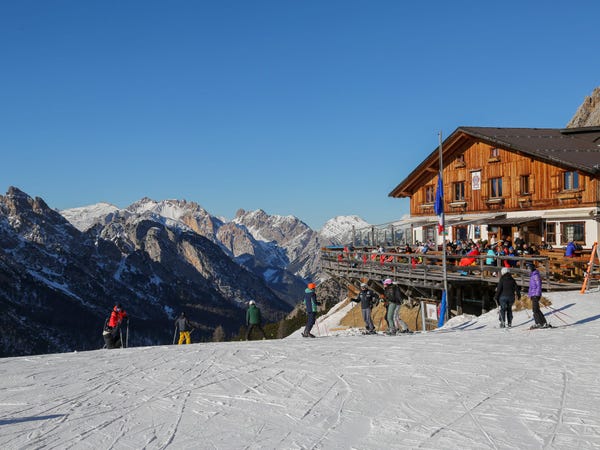
Staying in nearby towns rather than at ski-in/ski-out resorts is one of the most effective ways to control your skiing Colorado cost. Base-area hotels often charge a premium for convenience, with nightly rates ranging from $150 to over $1,000 depending on the resort and season. By shifting your stay just 10 to 15 minutes away, you can often cut accommodation costs by 30% to 50% without sacrificing access to the slopes.
Look for towns like Granby, Kremmling, or Silverthone if you are visiting Winter Park or Breckenridge, or Estes Park if you are near Keystone. These areas offer a wider range of budget-friendly motels, vacation rentals, and hostels. Many of these locations also provide free or low-cost shuttle services to the main ski areas, removing the need for a car and further reducing your daily expenses.
Research towns within a 15-20 minute drive of your chosen ski resort. Prioritize areas with established shuttle routes or easy highway access.
Add the cost of the shuttle or gas to your nightly rate. Often, the savings on the room far outweigh the minimal transportation cost.
Lodging in these secondary towns fills up quickly during peak winter holidays. Secure your reservation as soon as your ski dates are fixed to lock in the best rates.
Pack gear to avoid rental fees
Renting equipment at Colorado resorts is a significant line item in your skiing Colorado cost budget. Daily rental fees for skis, boots, and poles typically range from $40 to $100 per person, depending on the resort and the quality of the gear. Over a five-day trip, this adds up to $200–$500 per skier before you’ve even bought a lift ticket. If you are traveling with a group or planning multiple days on the mountain, bringing your own gear is often the most effective way to control expenses.
Consider the break-even point. Most recreational skiers can recoup the cost of purchasing a decent beginner-to-intermediate package within two or three trips. Once you own your equipment, you avoid the daily rental markup entirely. Additionally, owning your gear means you can choose bindings and boots that fit your specific foot shape and skiing style, which can significantly improve comfort and performance compared to the generic, mass-fitted rentals found at busy resorts.
If buying new gear isn’t in the cards, look into renting from outdoor specialty shops in Denver, Boulder, or Fort Collins before you head to the mountains. These local shops often offer weekly rates that are substantially lower than on-mountain rentals. Many also provide free delivery to major resorts or offer drop-off services, allowing you to pick up your fully tuned and waxed setup directly at the base area. This middle-ground approach gives you the convenience of ownership without the upfront investment.
When packing your gear, remember that airlines typically allow one pair of skis or one snowboard as a checked bag, though weight limits usually apply (often 50 lbs). Check your airline’s specific policy to avoid overweight baggage fees, which can quickly negate the savings from skipping rentals. Properly packing your gear in a durable bag or sock ensures it arrives in one piece, ready for you to hit the slopes without the hassle of last-minute rental counter lines.
Plan meals to skip resort dining
Food at Colorado ski resorts is a major hidden cost, often running $30 or more per person for a single lunch. That adds up quickly over a week, turning a modest trip into a financial strain. By shifting your eating strategy, you can save hundreds of dollars without sacrificing energy or enjoyment.
Start by stocking up before you hit the slopes. Buy non-perishable snacks like trail mix, granola bars, and dried fruit at a grocery store in a nearby town like Estes Park, Glenwood Springs, or Grand Junction. These towns offer significantly lower prices than the mountain villages. Keep a cooler in your car or hotel room to store perishable items like yogurt, cheese, and fruit for breakfasts and lunches.
Pack a simple lunch that requires no cooking. A turkey sandwich, apple slices, and a bag of chips can fuel you through the afternoon. This approach saves the time spent waiting in line at crowded base lodges, giving you more hours on the snow.
Reserve resort dining for dinner, and even then, look for deals. Many resorts offer happy hour specials on appetizers and drinks that are far cheaper than full entrees. Alternatively, choose accommodations with kitchenettes so you can cook one or two meals a day. This simple shift in planning is one of the most effective ways to reduce your overall skiing Colorado cost.
Check for group or student discounts
Discount programs are the most reliable way to lower your skiing Colorado cost without sacrificing lift access. Most major resorts offer reduced rates for students, seniors, and large parties, but these deals rarely appear on the main landing page. You must navigate to specific "Tickets" or "Passes" sections to see the actual pricing tiers.
Student discounts typically require a valid .edu email or a physical student ID. Wolf Creek, for example, offers a significant rate drop for students aged 13–18 who are currently in school. Always verify the age cutoff and enrollment status before booking, as some resorts restrict student pricing to specific weekdays or holiday periods.
Group rates usually kick in at 10 or more people. This is ideal for families or friend groups sharing a cabin. Contact the resort’s group sales department directly rather than booking online; they can often bundle lodging and lift tickets for a deeper discount. Seniors (usually 65+) also qualify for reduced daily lift tickets, though these prices are often similar to youth rates.
FAQ about skiing Colorado cost
Planning your budget for a ski trip requires understanding where the money goes. The total skiing Colorado cost can vary wildly depending on your choices, but breaking down the expenses helps you avoid sticker shock.
How much does a day of skiing cost?
A single day on the mountain typically runs between $200 and $300 per person. This figure usually includes a lift ticket, basic equipment rentals, and a mid-day meal. Peak holiday weekends can push this total higher, while weekday visits often offer slightly lower rates for tickets and rentals.
Are lift tickets cheaper when bought online?
Yes, purchasing lift tickets online in advance is almost always cheaper than buying them at the ticket window. Resorts use dynamic pricing, meaning prices rise as the date approaches and availability drops. Buying online also guarantees your spot, especially during busy holiday periods.
Can I ski in Colorado on a tight budget?
You can significantly reduce your skiing Colorado cost by choosing less famous resorts and staying in nearby towns rather than on-mountain lodges. Resorts like Wolf Creek or Loveland often offer lower daily rates than the major destinations. Additionally, bringing your own lunch and renting gear from off-mountain shops can save you substantial amounts.
No comments yet. Be the first to share your thoughts!