

Skiing Colorado cost 2026: quick totals
Before planning your itinerary, it helps to know where the bulk of your budget will go. For a typical three-day trip in 2026, a moderate-budget skier should expect to spend between $1,200 and $1,800 per person, excluding flights. This range covers lift tickets, mid-range lodging, equipment rentals, and daily meals.
The single largest expense is usually the lift ticket. Daily passes at major resorts like Breckenridge or Vail have risen to the $200–$300 range for peak dates. Booking early or skiing on weekdays can lower this cost, but you should still budget at least $180 per day for access if you want flexibility.
Lodging and rentals follow closely behind. A standard hotel room or condo in a mountain town averages $150–$300 per night, which splits down to about $50–$100 per person if sharing. Equipment rentals run $40–$100 per day depending on the quality of the gear and how far in advance you book. Food adds another $30–$50 per meal per person if you eat at resort-adjacent restaurants rather than packing your own lunches.
Lift ticket prices and pass options
Colorado ski resorts have largely moved to dynamic pricing models for the 2026 season, meaning lift ticket costs fluctuate based on demand, date, and how far in advance you book. This shift rewards early planners while penalizing last-minute walk-up purchases, especially during peak holiday weeks. Understanding this structure is the first step in controlling your total trip budget.
Walk-up vs. advance pricing
Buying tickets at the resort window is the most expensive way to ski. For the 2025–2026 season, major resorts like Loveland and Wolf Creek list their full window rates as "TBA" or significantly higher than online options, reflecting a strategy to push guests toward digital channels. In contrast, advance online purchases can save you $20 to $50 per day, depending on the resort and date. For example, Arapahoe Basin offers adult passes for $539 for the season, but daily walk-up rates can easily exceed $200 on weekends. Always check the specific resort’s website for their current dynamic pricing calendar before booking.
Season passes vs. daily tickets
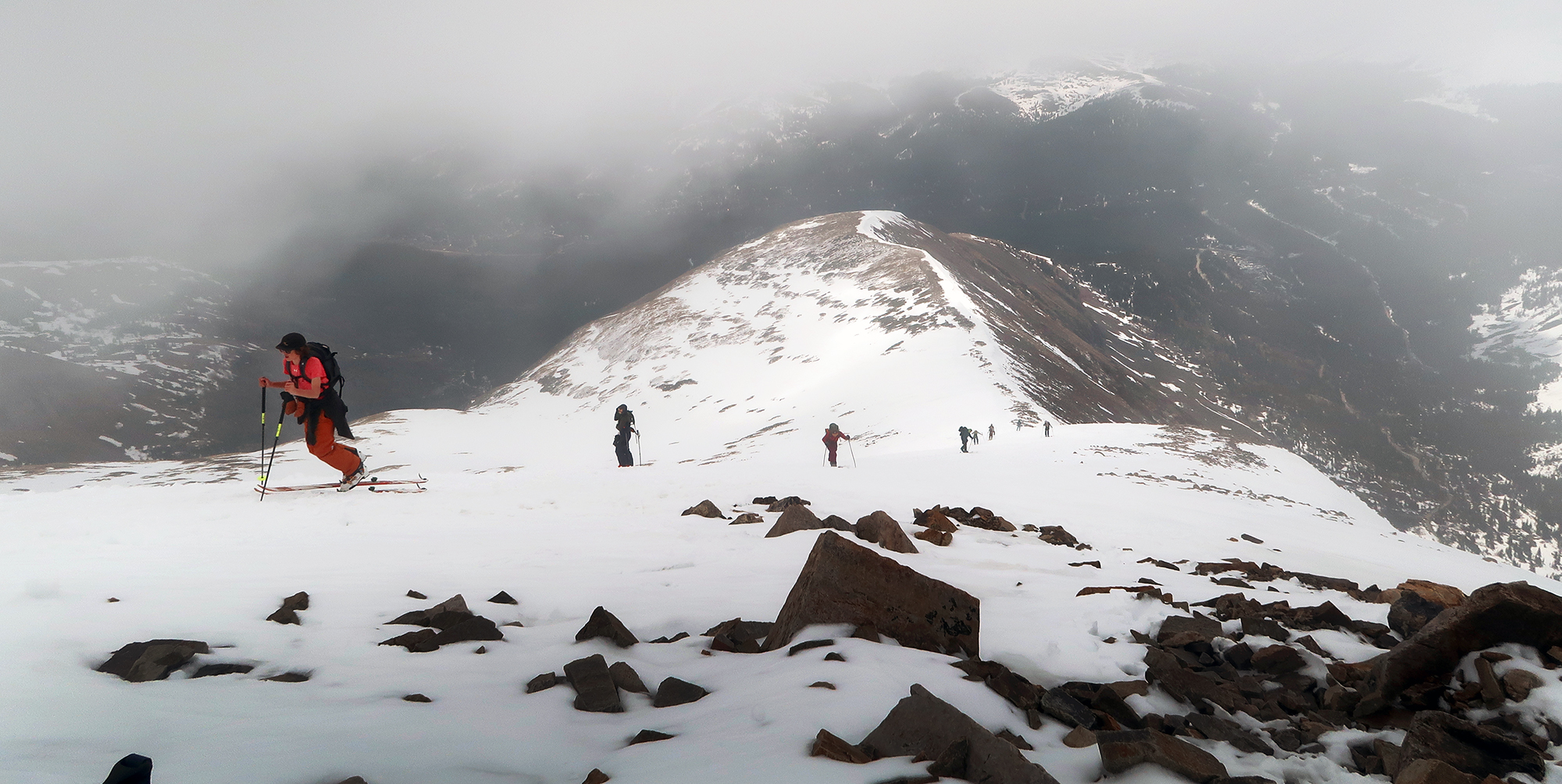
For skiers planning three or more days on the mountain, a season pass often pays for itself compared to daily lift tickets. Resorts like Arapaho Basin and Wolf Creek offer unlimited season passes that range from $500 to over $1,000, depending on age and residency. If you ski only two or three times a year, buying individual daily passes in advance is usually more cost-effective. However, if you live in Colorado or plan multiple trips, the unlimited pass eliminates the daily price shock and provides predictable budgeting for the entire winter.
Age-based pricing tiers
Most Colorado resorts structure their lift tickets into three main age categories: children (5 and under), youth (6–14), and adults (15+). Children five and under typically ski for free at all major resorts, including Loveland and Wolf Creek, though a ticket is still required at the window for tracking purposes. Youth tickets offer a middle-ground price, usually 20–30% less than adult rates. Seniors (usually 65+) also receive discounted rates at most locations, provided they show valid identification at the ticket window.
Lodging and food expenses
The cost of staying in Colorado mountains and eating on the slopes creates a massive variance in your total budget. Unlike Hawaii camping, where your lodging cost is fixed and low, Colorado skiing forces you to choose between budget motels and luxury resort hotels, with prices swinging wildly based on proximity to the base and season demand.
Accommodation in Colorado ski towns ranges from basic motels on the outskirts of town for $150 to $200 a night, to high-end resort condos or hotels that can exceed $1,000 per night during peak weeks. For a family of four, staying at a mid-range resort hotel can easily add $2,000 to $3,000 to a week-long trip, whereas staying in a nearby town like Silverthorne or Dillon can cut that lodging bill in half. The choice here is not just about comfort; it is about whether you want to save an hour of daily driving or sleep in a heated pool.
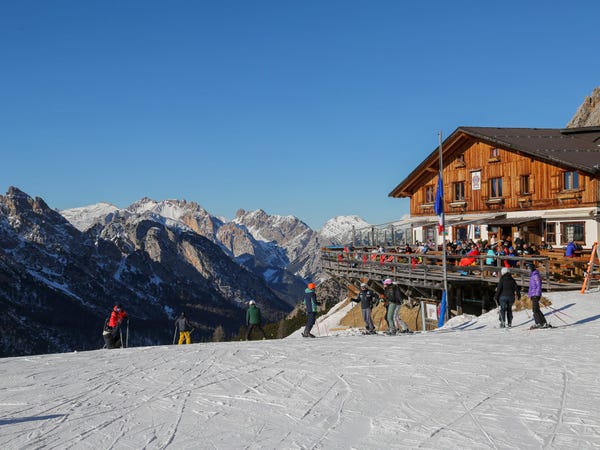
Food costs in Colorado ski resorts are notoriously high. A single lunch at a mountain-side restaurant typically runs $25 to $35 per person, and dinner can easily exceed $50 per person before drinks. If you plan to eat every meal on the mountain, you should budget an additional $100 to $150 per person per day. This is where the "hidden" costs of skiing add up quickly. A family of four spending $120 a day on food will spend nearly $1,000 on meals alone over a five-day trip.
To manage these expenses, many skiers choose to stay in accommodations with kitchenettes, allowing them to prepare breakfast and some dinners. This strategy can reduce daily food costs by 40% to 50%. However, it requires planning and grocery shopping, which takes time away from skiing. For those who prefer convenience, the premium for resort dining is steep but unavoidable. Understanding this trade-off between lodging location and food spending is essential for accurate budgeting.
The total cost for lodging and food in Colorado can range from $800 to $3,000 per person for a week, depending on your choices. This is a significant portion of the total trip cost, often rivaling the price of lift tickets themselves. In contrast, Hawaii camping offers a fixed, low-cost lodging option, shifting the budget focus entirely to activities and gear rental. Knowing where your money goes in Colorado allows you to make informed decisions about where to splurge and where to save.
Hawaii camping budget comparison
While Colorado skiing demands a premium for lift tickets and mountain lodging, Hawaii offers a different financial structure centered on gear, permits, and travel logistics. A three-day camping trip for two people in Hawaii requires upfront investment in equipment and park reservations, but daily expenses remain significantly lower than resort fees.
The primary cost driver for Hawaii camping is access. Popular spots like Haleakalā National Park or Na Pali Coast permits often sell out months in advance. Daily camping fees range from $30 to $50 per site, but the real expense lies in securing the gear. Renting a tent, sleeping bags, and cooking equipment from local vendors costs approximately $150 for three days. If you own your gear, this cost drops to zero, but transport becomes a factor. Renting a compact SUV to navigate rugged park roads adds roughly $60 per day.
Food and fuel in Hawaii are notably higher than in Colorado due to shipping costs. A simple grocery budget for three days—rice, beans, fresh fruit, and water—runs about $80 for two people. In contrast, a single meal at a resort restaurant in Colorado can exceed $40 per person. Fuel for a three-day island loop averages $40. When you combine permits, gear rental, food, and fuel, the total Hawaii camping budget for three days comes to approximately $380 for two people.
This creates a stark contrast with Colorado skiing. The following table breaks down the costs side-by-side, highlighting how the "adventure budget" shifts from high-ticket daily passes to lower daily costs with higher upfront or logistical expenses.
| Category | 3-Day Colorado Skiing (2 Adults) | 3-Day Hawaii Camping (2 Adults) |
|---|---|---|
| Lift Tickets / Park Access | $600 (3-day pass) | $90 (Park permits + fees) |
| Accommodation | $450 (3 nights budget motel) | $0 (Camping) |
| Gear Rental | $150 (Skis, boots, helmet) | $150 (Tent, bags, stove) |
| Food & Drink | $180 (Groceries + 2 meals out) | $80 (Groceries only) |
| Transport / Fuel | $100 (Gas + parking) | $180 (Rental car + gas) |
| Total Estimated Cost | $1,480 | $500 |
Choosing between snow and sun
Deciding between a Colorado ski trip and Hawaii camping comes down to how you want to spend your money and your time. Colorado offers a high-energy, gear-heavy experience with significant daily costs, while Hawaii provides a more relaxed, nature-focused adventure where the biggest expense is getting there.
Colorado skiing is expensive day-to-day. A single day lift ticket at major resorts like Breckenridge or Keystone can run $200 to $300, with lodging and food adding another $300 to $500 per day for a family. Hawaii camping is cheaper on the ground; you might spend $30 to $50 a day on food and park fees, but you must account for the high cost of flights and rental cars to reach the islands.
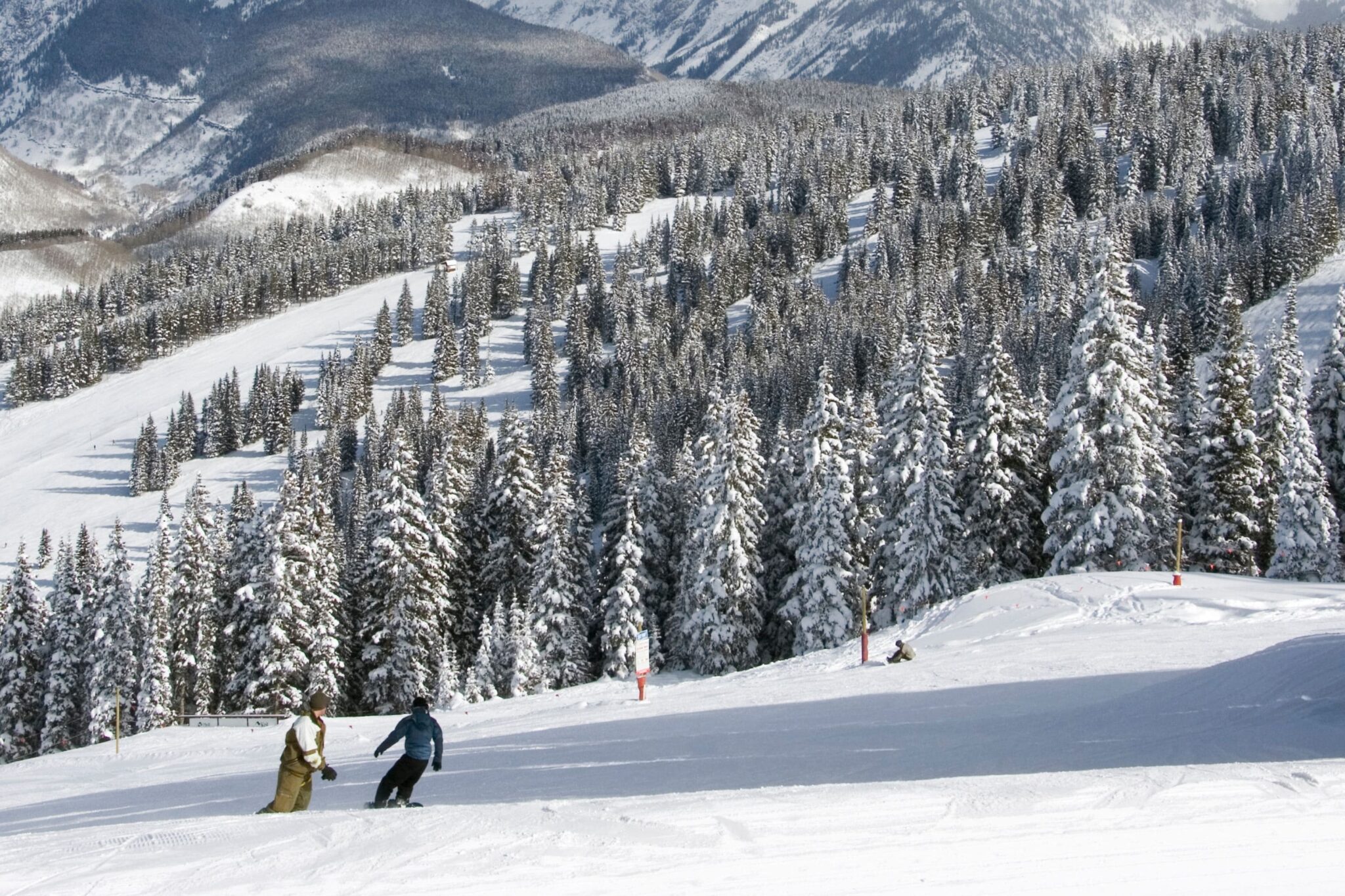
Skiing requires renting skis, boots, and helmets, which adds $40 to $100 per person per day if you don’t own your own. You also need warm, specialized clothing. Hawaii camping requires basic gear like a tent and sleeping bag, which you can buy cheaply or borrow. The logistical burden in Hawaii is mostly about booking campsites early, whereas Colorado requires managing lift reservations and traffic around mountain towns.
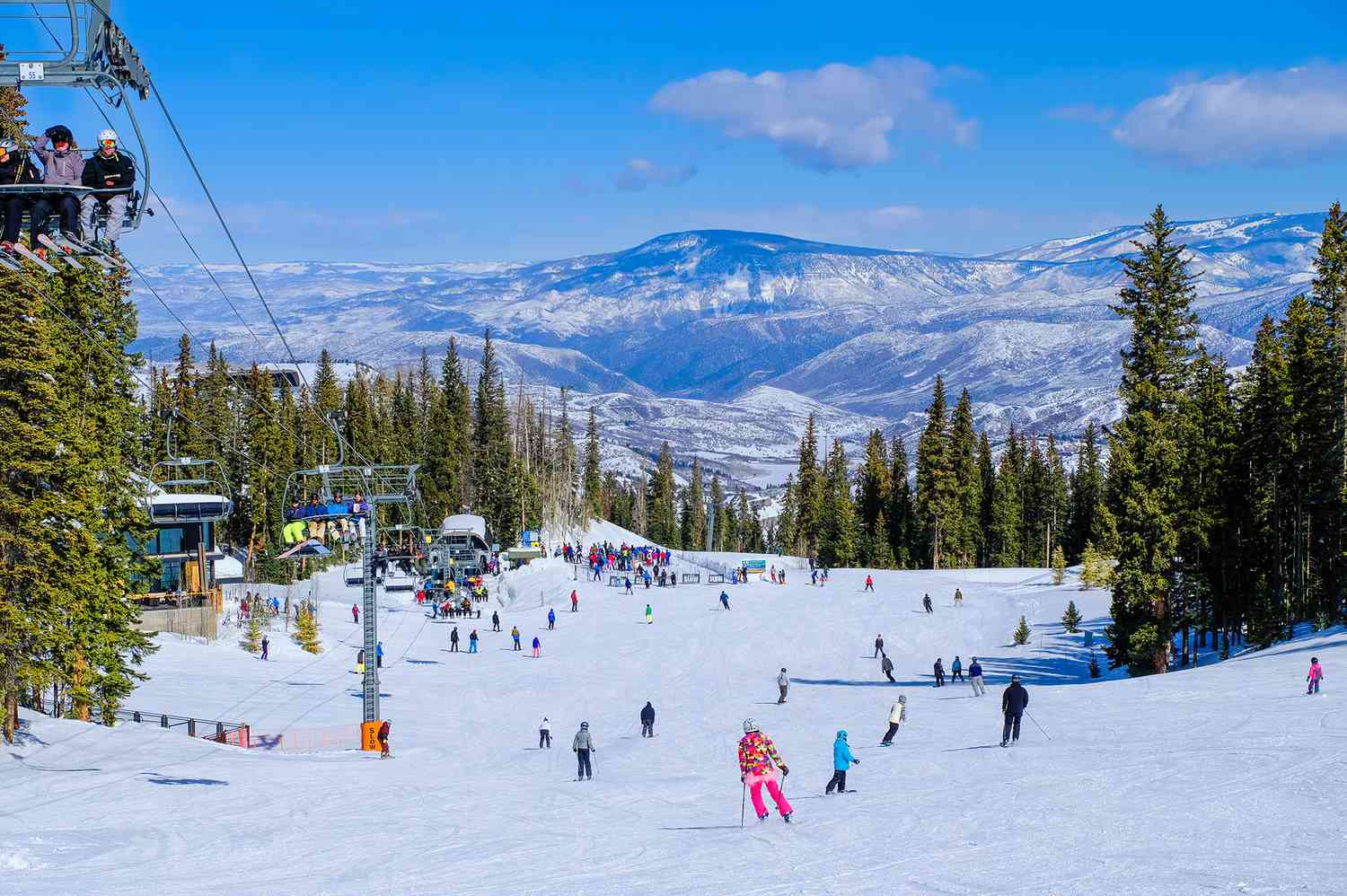
A family of four will find Colorado skiing to be a significant investment, often totaling $3,000 or more for a week of weekday skiing. Hawaii camping is more scalable; a large group can split a rental car and campsite fee, keeping per-person costs low. Solo travelers or couples may find the social aspect of ski resorts appealing, while Hawaii offers quiet solitude in nature.
Frequently asked questions about skiing costs in Colorado
How much does it cost to ski in Colorado?
A typical day on the slopes in Colorado runs between $150 and $250 for a lift ticket alone, depending on whether you ski during peak holiday weeks or off-peak weekdays. When you add rental gear ($50–$80), parking ($20–$30), and a lunch break, a single day of skiing easily exceeds $250 per person. Budget travelers often offset these costs by booking early-bird passes or visiting smaller resorts like Sunlight or Echo Mountain, where daily tickets can drop below $100.
What is the cheapest ski resort in Colorado?
For budget-conscious skiers, resorts like Wolf Creek, Monarch Mountain, and Powderhorn offer the most affordable lift tickets in the state, often ranging from $80 to $120 for a full-day pass. These mountain areas prioritize value over high-end luxury amenities, making them ideal for families or groups looking to maximize time on the snow without breaking the bank. Always check the resort’s website for mid-week specials, which can lower costs further.
Where do billionaires ski in the US?
Ultra-high-net-worth individuals often choose private clubs like the Yellowstone Club in Montana, which offers exclusive access to over 2,900 acres of terrain, luxury lodging, and high-end dining. While Colorado has its share of elite destinations like Vail and Beaver Creek, the Yellowstone Club stands out for its privacy and security, catering to celebrities and billionaires who prefer to ski away from the public eye.
No comments yet. Be the first to share your thoughts!