

Hawaii Camping: Is It Realistic?
Camping in Hawaii isn't like camping elsewhere. The idea of pitching a tent on a pristine beach for free is largely a myth. Hawaii's popularity means demand for limited camping spots is high. Permits are essential, and securing them can be difficult. Many travelers find the reservation systems frustrating, so going in prepared is wise.
Hawaii isn't a budget destination. While camping saves money compared to hotels, it's still not cheap. Permit fees, transportation, and the general cost of living add up. Expect to spend more than on a camping trip elsewhere, but the experience can be worth it.
Many campsites are basic. Don't expect electricity or running water at most locations. You'll need to be self-sufficient and pack in everything you need. This is fine for experienced campers, but something to consider if you're new to the outdoors.
Hawaii offers a unique camping experience. Waking up to the ocean, hiking through rainforests, and experiencing the aloha spirit are rewards worth pursuing. It requires planning, flexibility, and patience, but a budget-friendly Hawaiian adventure is possible.
Island Breakdown: Camping Costs in 2026
Here's a breakdown of camping costs across the major Hawaiian islands as of 2026. These are estimates and can vary by campsite and time of year. Figures are based on information from the Division of State Parks (dlnr.hawaii.gov) and traveler reports.
Kauai: Camping permits generally range from $5 to $30 per night for non-residents, depending on the campsite. State Park entrance fees are typically around $5 per vehicle. Getting to some campsites requires driving on unpaved roads, so a 4x4 vehicle might be necessary, adding to your transportation costs.
Oahu: Oahu's camping situation is the most competitive. Permits are around $25 per night for non-residents, and reservations are notoriously difficult to secure. Many campsites are accessible by bus, which is a budget-friendly option, but can be time-consuming. Some require a shuttle service adding $20-50 per person.
Hawaii (Big Island): The Big Island offers a wider range of camping options, from established state park campgrounds to more remote backcountry sites. Permits range from $10 to $20 per night. The cost of getting to campsites varies greatly; some are easily accessible by car, while others require a hike. Love Big Island (lovebigisland.com) notes that backcountry permits are required for many remote areas.
Maui: Maui’s camping costs are similar to Kauai, with permits around $30 per night. Access to some campsites can be limited, and reservations are essential. Expect to pay for parking at some locations as well.
Molokai: Molokai is the least visited of the major Hawaiian islands, making it potentially easier to secure a camping permit. Permits are around $20 per night. The island has a more laid-back vibe, and transportation costs may be lower than on other islands.
These figures don’t include flights, food, or other activities. A realistic daily budget for camping in Hawaii, excluding flights, is between $75 and $150 per person, depending on spending habits. Costs haven’t shifted dramatically since 2024, but permit demand continues to increase.
Hawaii Camping Costs: Island-by-Island Breakdown (Estimated 2026)
| Island | Permit Fee (per night) | Park Entrance Fee (if any) | Transportation Cost Estimate (roundtrip from main airport - inter-island flight or ferry) | Total Estimated Cost (3 nights - permit & transport only) |
|---|---|---|---|---|
| Oahu | Varies; $30 - $60 for non-resident camping permits (per site, not per person). | Varies by park; some parks have no entrance fee, others may charge for parking. | N/A (If staying on Oahu from arrival) | $90 - $180 + parking (if applicable) |
| Maui | Approximately $30 - $50 per night for non-resident permits (per site). | State Park entrance is generally free, but parking fees may apply. | Approximately $80 - $200 (roundtrip inter-island flight from Honolulu). | $90 - $250 + parking (if applicable) |
| Hawaii (Big Island) | Approximately $30 - $50 per night for non-resident permits (per site). | State Park entrance is generally free, but parking fees may apply. | Approximately $100 - $250 (roundtrip inter-island flight from Honolulu). | $90 - $250 + parking (if applicable) |
| Kauai | Approximately $30 - $50 per night for non-resident permits (per site). | State Park entrance is generally free, but parking fees may apply. | Approximately $100 - $250 (roundtrip inter-island flight from Honolulu). | $90 - $250 + parking (if applicable) |
| Molokai | Approximately $30 - $50 per night for non-resident permits (per site). | State Park entrance is generally free. | Approximately $80 - $200 (roundtrip inter-island flight from Honolulu). | $90 - $250 |
| Lanai | Camping currently limited; permits difficult to obtain. Check dlnr.hawaii.gov for availability. | State Park entrance is generally free. | Approximately $150 - $300 (roundtrip inter-island flight from Honolulu). | Highly variable, dependent on permit availability. |
Illustrative comparison based on the article research brief. Verify current pricing, limits, and product details in the official docs before relying on it.
Permit Systems: A Deep Dive
Securing a camping permit in Hawaii is often the biggest hurdle. Each island has its own system, and some are more challenging than others. The Division of State Parks (dlnr.hawaii.gov) is the central resource for most permits, but Oahu uses a separate system run by the Department of Parks and Recreation (honolulu.gov).
Oahu is the most competitive. Permits are released online on a first-come, first-served basis, and they often sell out within minutes of becoming available. Reservations can be made up to 30 days in advance. Many people recommend logging in and being ready to book exactly when the reservation window opens. Be prepared for disappointment – it may take multiple attempts to secure a permit.
Kauai, Hawaii (Big Island), Maui, and Molokai generally use a similar system through the dlnr.hawaii.gov website. Reservations can be made up to 30 days in advance. While still competitive, it's generally easier to secure a permit on these islands than on Oahu. I've found that checking for cancellations frequently can also be successful.
Penalties for camping without a permit are serious, ranging from fines to arrest. Always ensure you have a valid permit displayed at your campsite. Rangers patrol campsites and issue citations to those without proper authorization.
A traveler spent weeks trying to get a permit on Oahu. She succeeded by setting multiple alarms, using a fast internet connection, and being flexible with her dates. She also suggested checking the website multiple times a day for cancellations. It requires dedication, but it's possible.
Gear Up: What You Need (and What You Don't)
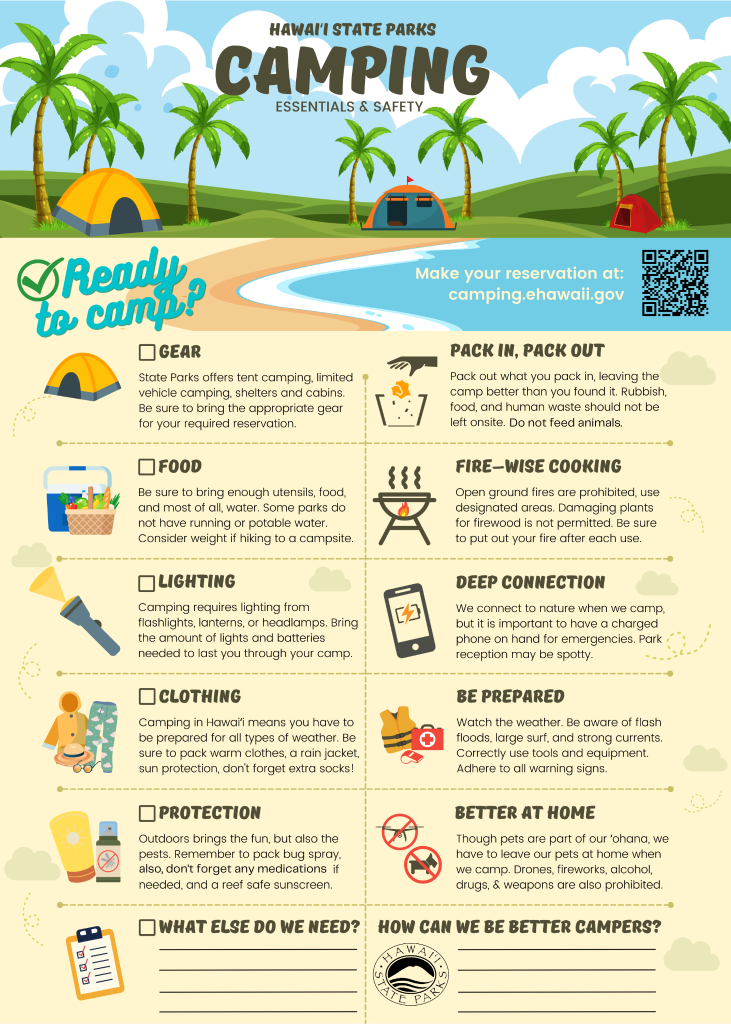
Hawaii’s climate demands specific gear. Forget bulky winter sleeping bags and heavy waterproof jackets. Lightweight, quick-drying clothing is essential. The humidity is intense, so breathable fabrics are key. A lightweight tent with good ventilation is also crucial.
Essential gear includes: a reliable water filter or purification tablets (many campsites don’t have potable water), reef-safe sunscreen (protecting the coral reefs is vital), insect repellent (mosquitoes and other biting insects can be prevalent), a headlamp or flashlight, and a first-aid kit.
You don’t need to buy everything new. Consider renting gear in Hawaii to save money and avoid transporting bulky items. Companies on each island offer tent, sleeping bag, and camping equipment rentals. This is a
Avoid bringing anything that could potentially introduce invasive species to the islands. Clean your shoes and gear thoroughly before arriving in Hawaii. Be mindful of agricultural restrictions – certain fruits and vegetables are prohibited.
- Lightweight tent
- Quick-drying clothing
- Reef-safe sunscreen
- Insect repellent
- Water filter/purification tablets
- Headlamp/flashlight
- First-aid kit
Free & Low-Cost Activities Near Campsites
Camping isn't just about the campsite; it's a base for exploring. Hawaii offers a wealth of free or low-cost activities within easy reach of many campsites. This is where the real value of camping comes in.
Kauai: Many campsites are near hiking trails, such as the Kalalau Trail (permit required for overnight hiking) and the Maha'ulepu Heritage Trail. Beaches are, of course, free to access and offer excellent swimming, sunbathing, and snorkeling opportunities.
Oahu: Diamond Head State Monument ($5 per vehicle or $1 per pedestrian) is a popular hike near some campsites. Numerous beaches, like Waikiki and Kailua Beach, offer free recreation. The Lyon Arboretum ($5 donation suggested) provides a beautiful botanical garden experience.
Hawaii (Big Island): Volcanoes National Park ($30 per vehicle) is a must-see, but there are also many free hiking trails and beaches. Stargazing is excellent on the Big Island due to the lack of light pollution.
Maui: The Road to Hana offers numerous free waterfalls and scenic viewpoints. Beaches like Kaanapali and Wailea are perfect for swimming and sunbathing. Iao Valley State Monument ($5 per vehicle) is a beautiful and historic site.
Molokai: Molokai offers a more authentic Hawaiian experience with fewer crowds. Explore the Halawa Valley (guided tours available for a fee) and Papohaku Beach, one of the largest white sand beaches in Hawaii.
Free & Low-Cost Activities
- Oahu - Hiking: Diamond Head State Monument offers stunning views after a moderately challenging hike. Entrance fee is $5 per vehicle or $1 per walk-in visitor.
- Maui - Beaches: Kaanapali Beach is consistently ranked among the best beaches in the world, offering free access for sunbathing, swimming, and enjoying the scenery. Parking can sometimes have a fee.
- Big Island - Snorkeling: Kahalu'u Beach Park is known for its calm waters and abundant marine life, making it ideal for snorkeling. Snorkel rentals are available nearby for around $15-25 per day, but bringing your own is most cost-effective.
- Kauai - Hiking: The Kalalau Trail (permit required for overnight camping, day hikes to Hanakapi'ai Falls are often possible without a permit but check current conditions) offers breathtaking coastal views. Permits can range from $25-$30 per person per night for camping.
- Oahu - Cultural Sites: Visit the Iolani Palace grounds (exterior viewing is free). While touring the palace itself has a fee ($27 for adults), exploring the surrounding grounds provides a glimpse into Hawaiian history without cost.
- Maui - Local Markets: Explore the Upcountry Farmers Market (Saturdays) for local produce, crafts, and a taste of Maui's agricultural scene. Costs vary depending on purchases.
- Big Island - Beaches: Punalu'u Black Sand Beach is famous for its black sand and frequent sea turtle sightings. Access is free, but be respectful of the turtles and maintain a safe distance.
- Kauai - Snorkeling: Poipu Beach Park offers calm, clear waters perfect for snorkeling, especially for beginners. Snorkel gear rentals are available, or bring your own.
Food Costs: Eating Well on a Budget
Hawaii is notoriously expensive for food. Minimizing your food costs while camping requires some planning. Bringing your own food from home can save a significant amount of money, but be aware of agricultural restrictions – certain fruits, vegetables, and meats are prohibited.
Shop at local grocery stores like Foodland or Safeway instead of tourist traps. Prices will be considerably lower. Cooking your own meals at the campsite is the most budget-friendly option. Pack a portable stove and cooking utensils. Simple meals like pasta, rice, and beans are easy to prepare.
Pack snacks to avoid impulse purchases at convenience stores. Trail mix, granola bars, and dried fruit are good options. Look for local farmers markets for fresh produce and affordable prices. Don’t be afraid to try local plate lunches – they’re a filling and relatively inexpensive meal.
While it’s tempting to eat out every night, even a few restaurant meals can quickly add up. Prioritize cooking at the campsite and limit your dining out to special occasions.
Standout Campsites: Worth the Effort
Some campsites in Hawaii are particularly special, offering exceptional scenery or unique experiences. These may be more difficult to secure permits for, but they’re worth the effort.
Hana Bay Campground (Maui): Located in the remote Hana district, this campsite offers stunning views of the ocean and surrounding rainforest. It’s a great base for exploring the Road to Hana. Permits are highly competitive.
Polihale State Park (Kauai): This remote campsite on the west side of Kauai offers miles of pristine beach and breathtaking sunsets. It’s a great spot for stargazing. A 4x4 vehicle is recommended.
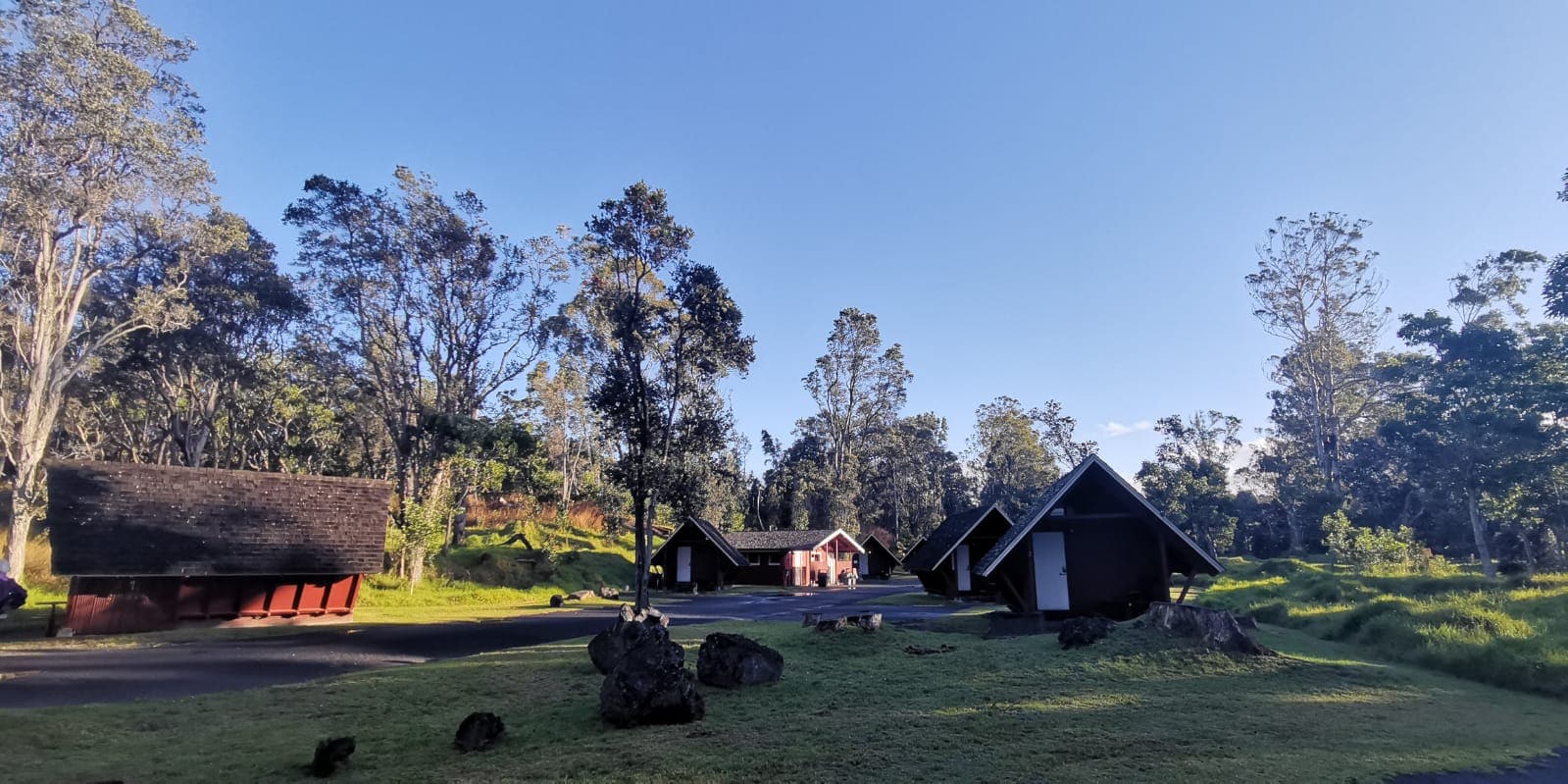
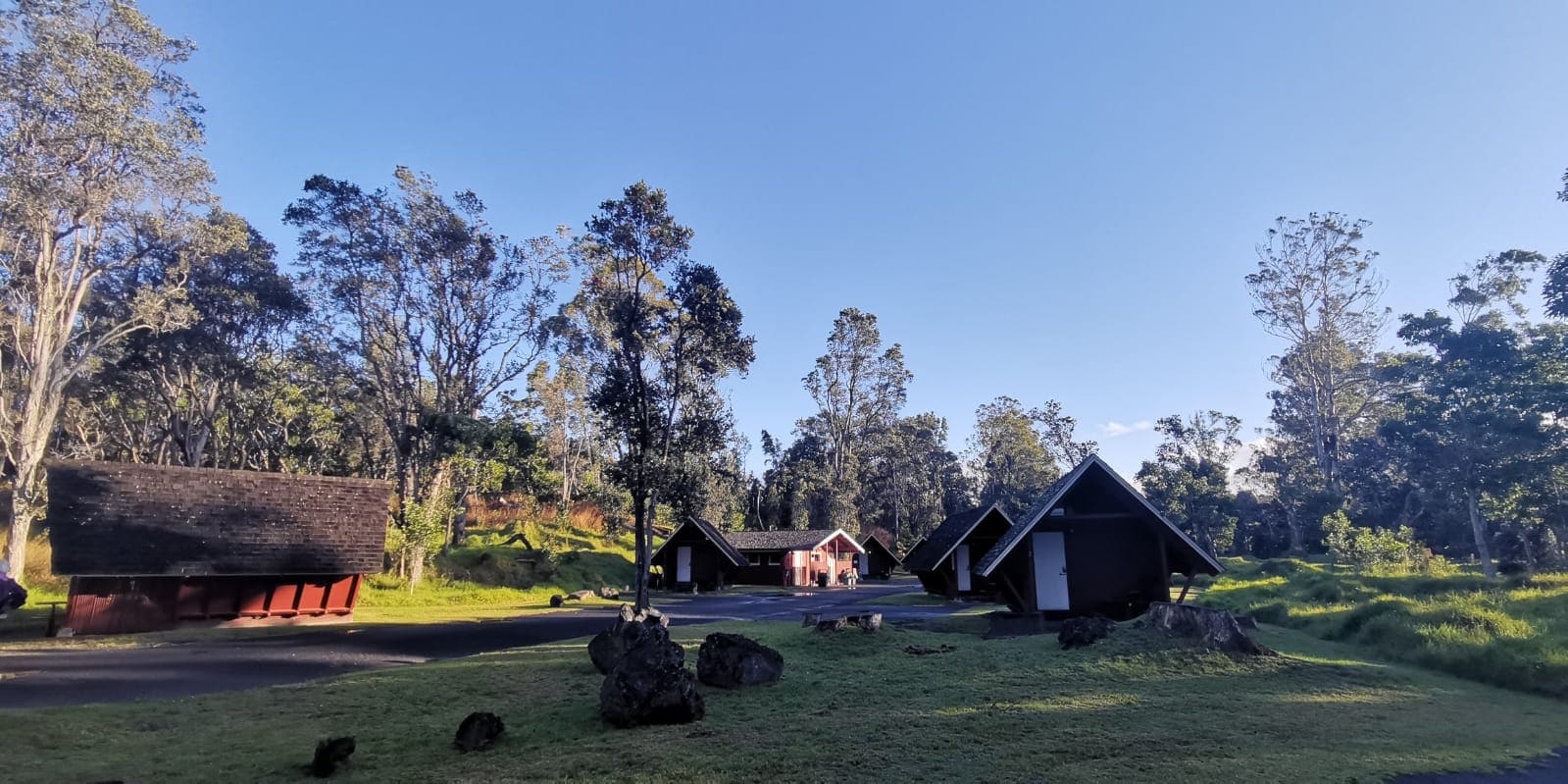
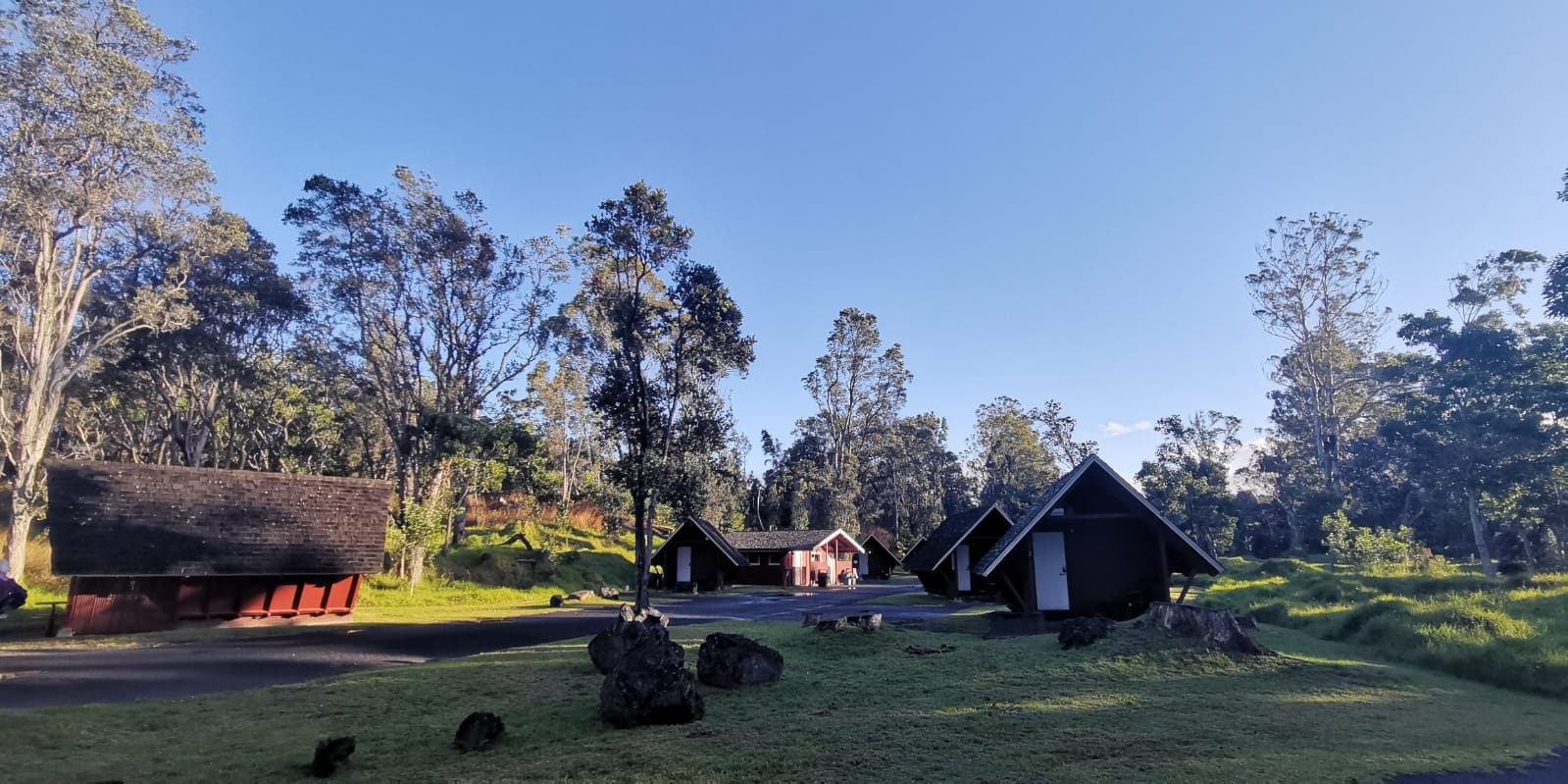
Nāpau Campground (Hawaii – Big Island): Situated near Volcanoes National Park, this campsite provides easy access to hiking trails and volcanic landscapes. It’s a popular spot for exploring the park.
Mālaekahana State Beach Park (Oahu): This campsite offers a more accessible camping experience on Oahu. It’s located on a beautiful beach and is relatively easy to reach by bus. It’s popular with families.
No comments yet. Be the first to share your thoughts!