

Dream Big, Budget Smarter
There's a real shift happening in travel. More and more people are craving experiences – genuine adventures that push them outside their comfort zones. It’s not just about ticking off landmarks; it's about immersing yourself in a place, challenging yourself physically, and connecting with different cultures. But that desire often bumps up against a very real concern: cost. Adventure travel can feel financially out of reach.
That's where a little planning, and a good budget, come in. The anxiety around affording these trips is understandable, especially with fluctuating flight prices and global economic shifts. We’re seeing costs for some things go up in 2026, but thankfully, a growing number of tour operators and destinations are focusing on providing accessible adventure options. This isn't about sacrificing quality; it's about making smart choices.
This calculator is designed to empower you. To move beyond daydreaming about trekking in Patagonia or diving in Thailand and actually start planning. It’s about having a realistic understanding of what your adventure will cost, and then making informed decisions to make it happen. Let's turn those travel fantasies into a concrete plan.
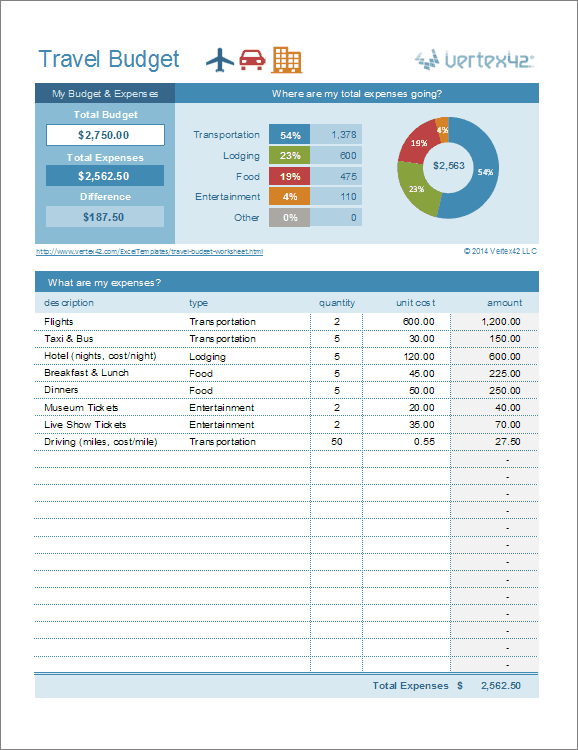
30 Destinations for Every Budget
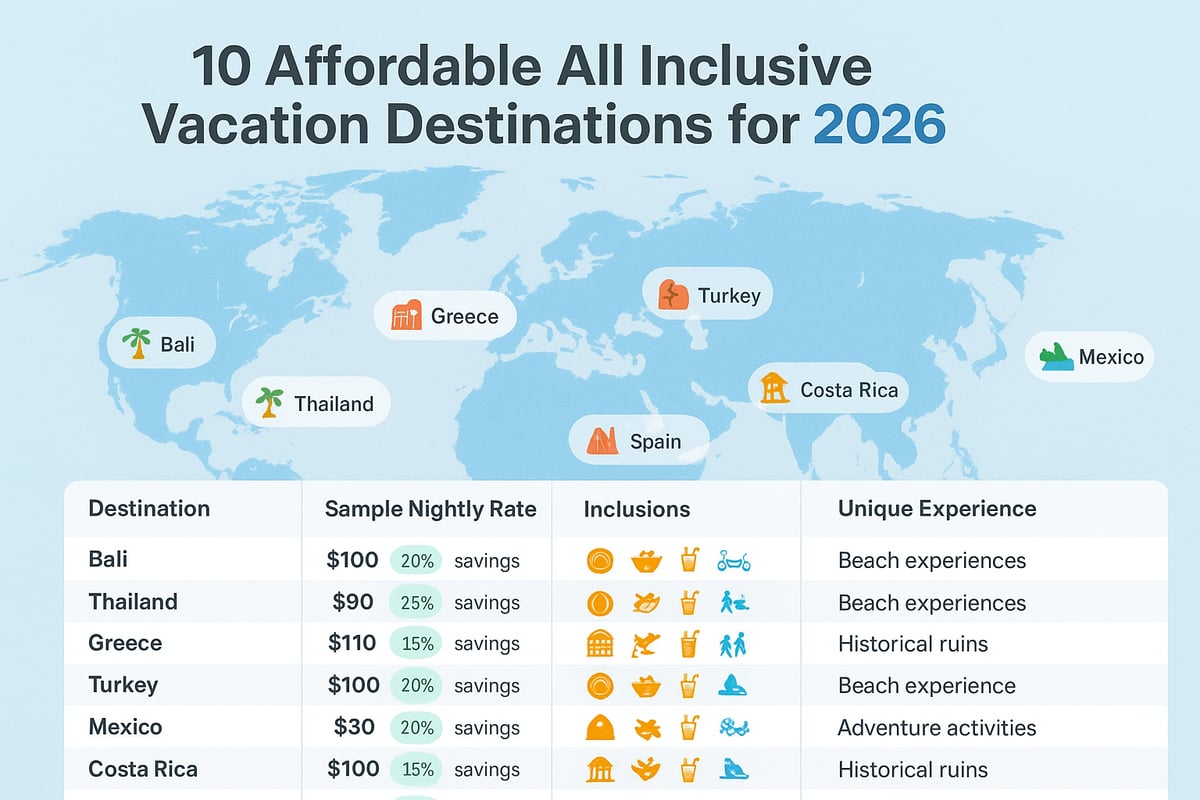
Okay, let's talk places. According to recent data from weareglobaltravellers.com, there are countless destinations that won’t completely drain your bank account. It’s all about knowing where to look. I'm breaking down options into three rough categories: Backpacker, Mid-Range, and Comfortable, though there’s plenty of overlap, of course.
For the Backpacker (think under $50/day), Southeast Asia is a classic for a reason. Thailand, Vietnam, and Cambodia offer incredible value, with delicious street food, affordable accommodation, and stunning scenery. Eastern Europe – countries like Albania, Bulgaria, and Romania – are also emerging as budget-friendly hotspots, offering a mix of history, culture, and outdoor adventures. Don’t overlook South America; Bolivia and Ecuador are significantly cheaper than their neighbors.
Moving into the Mid-Range ($50-$150/day), you open up more options. Portugal provides a fantastic combination of affordability and European charm. Mexico, beyond the resort areas, offers incredible cultural experiences and diverse landscapes at a reasonable price. Consider Peru, especially if you're interested in trekking to Machu Picchu – it’s achievable on a moderate budget if you plan carefully.
Finally, the Comfortable category ($150+/day) allows for more flexibility and a higher level of comfort. Costa Rica is a popular choice for eco-tourism, but it can be pricier. New Zealand is breathtaking, but requires a larger budget. Even within these destinations, you can find ways to save – opting for local transportation, cooking some of your own meals, and choosing guesthouses over luxury hotels.
Ultimately, the 'best' destination depends on your interests and travel style. But this list is a starting point. Remember, a little research goes a long way in finding affordable adventures.
- Backpacker Destinations: Thailand, Vietnam, Cambodia, Albania, Bulgaria, Romania, Bolivia, Ecuador
- Mid-Range Destinations: Portugal, Mexico, Peru
- Comfortable Destinations: Costa Rica, New Zealand
2026 Adventure Travel Budget Calculator: Destinations by Daily Cost
| Destination | Estimated Daily Cost | Adventure Highlights |
|---|---|---|
| Southeast Asia (Thailand, Vietnam, Cambodia) | Backpacker: <$50/day | Island hopping, jungle trekking, exploring ancient temples |
| Portugal | Backpacker: <$50/day | Surfing, hiking the Algarve coast, exploring historic cities |
| Mexico | Backpacker: <$50/day | Mayan ruins, cenote swimming, vibrant culture |
| Colombia | Backpacker: <$50/day | Coffee region hikes, exploring Medellin, Amazon rainforest trips |
| Costa Rica | Mid-Range: $50-$150/day | Zip-lining, wildlife spotting, surfing Pacific or Caribbean coasts |
| Peru | Mid-Range: $50-$150/day | Machu Picchu treks, exploring the Sacred Valley, Amazon rainforest tours |
| Morocco | Mid-Range: $50-$150/day | Sahara Desert camel treks, exploring Marrakech, hiking the Atlas Mountains |
| New Zealand | Comfortable: $150+/day | Bungy jumping, hiking the Milford Track, exploring fjords |
| Iceland | Comfortable: $150+/day | Glacier hiking, Northern Lights viewing, exploring volcanic landscapes |
Illustrative comparison based on the article research brief. Verify current pricing, limits, and product details in the official docs before relying on it.
Decoding Adventure Tour Costs
The headline price of an adventure tour is just the beginning. Understanding what’s included – and, crucially, what’s not – is essential for accurate budgeting. TourRadar.com showcases a huge variety of tours, and looking at their breakdowns is a great starting point.
Generally, most tours will cover accommodation (ranging from campsites to hotels), meals (often a mix of included meals and opportunities to eat independently), activities (the core of the adventure!), qualified guides, and local transportation. But don’t assume everything is covered. Flights to and from the tour’s starting point are almost always excluded. Visas, travel insurance (which is non-negotiable, by the way), and personal spending money are also your responsibility.
Group size significantly impacts cost. Smaller groups (8-12 people) typically offer a more personalized experience and greater flexibility, but come with a higher price tag. Larger groups (15+ people) are generally more affordable, but can feel less intimate. Consider your priorities when making this decision. A tour operator like G Adventures often offers both small and large group options.
Don't forget to factor in potential add-ons. Some tours offer optional excursions or upgrades (like single supplements), which can add up quickly. Read the tour itinerary carefully and ask questions if anything is unclear.
- Included: Accommodation, Meals, Activities, Guides, Local Transport
- Excluded: Flights, Visas, Travel Insurance, Personal Spending
The 2026 Adventure Travel Budget Calculator
Now, let’s get to the tool you’ve been waiting for: the Trips Cost Adventure Travel Budget Calculator. This calculator is designed to give you a personalized estimate of your trip costs based on your specific preferences.
You’ll start by entering your destination. The calculator draws on data for average costs in different countries. Next, input your trip length – the number of days you plan to travel. Then, select your travel style: Budget, Mid-Range, or Luxury. This impacts accommodation, food, and activity choices. After that, you'll specify your activity preferences: hiking, climbing, diving, cycling, wildlife viewing, or a combination. Each activity has associated costs.
Finally, indicate your group size. As we discussed, group size can affect tour prices and accommodation costs. The calculator will then crunch the numbers and provide you with an estimated budget. Keep in mind: these are estimates. Actual costs can vary due to factors like exchange rates, seasonal price fluctuations, and your own spending habits.
The calculator uses average costs for accommodation, transportation, food, activities, and other expenses in your chosen destination. It's a powerful starting point, but it’s essential to do your own research and adjust the budget based on your individual needs and preferences. It’s better to overestimate than underestimate!
Standout Affordable Adventures
TourRadar consistently features tours that offer exceptional value. Here are a few standouts as of late 2026 that balance adventure with affordability. These aren't exhaustive, but they represent a good cross-section of what’s available.
First, consider a trekking tour in Nepal. Several operators offer 12-day Everest Base Camp treks for around $1200-$1800 (excluding flights). These tours typically include accommodation, meals, permits, and a guide. It’s a challenging but incredibly rewarding experience. G Adventures has several highly rated options.
Next, cycling through Vietnam is a fantastic way to experience the country’s diverse landscapes and culture. Tours range from 7 to 14 days and cost between $600 and $1200, including accommodation, bike rental, and some meals. Intrepid Travel offers popular cycling tours.
Finally, exploring Costa Rica doesn’t have to break the bank. A 10-day adventure tour focusing on wildlife and rainforest exploration can be found for around $1500-$2000. This typically includes accommodation, transportation, guided hikes, and entrance fees to national parks. These tours often focus on eco-lodges and sustainable tourism practices.

Saving on Flights and Accommodation
Flights and accommodation are often the biggest expenses. Here are some strategies to minimize those costs. For flights, use flight comparison websites like Skyscanner, Google Flights, and Kayak to find the best deals. Be flexible with your travel dates – flying mid-week or during the shoulder season can save you significant money. Consider flying into alternative airports, even if it means a slightly longer transfer.
Accommodation options are equally varied. Hostels are a great choice for budget travelers, offering dorm rooms and private rooms at affordable prices. Guesthouses and Airbnb can also be good options, especially if you’re traveling with a group. Camping is the most budget-friendly option, but requires more planning and gear.
Traveling during the shoulder season – the periods between peak and off-peak seasons – offers a sweet spot. You’ll enjoy pleasant weather, fewer crowds, and lower prices. Research the shoulder seasons for your chosen destination and plan accordingly. It often requires a little more flexibility, but the savings can be substantial.
Gear Up Without Going Broke
Adventure travel often requires specialized gear, but you don’t need to buy everything new. Renting gear is a great option for items you’ll only use occasionally, like hiking boots or camping equipment. REI and other outdoor retailers offer rental services.
Buying used gear is another way to save money. Check out online marketplaces like eBay and Facebook Marketplace, or visit local consignment shops. Prioritize essential items – a good pair of hiking boots, a reliable backpack, and waterproof clothing are worth investing in. You can save money on less critical items.
Packing light is key to avoiding baggage fees. Choose versatile clothing items that can be layered, and only pack what you absolutely need. A well-planned packing list can make a big difference in your overall travel costs.
- Essential Gear: Hiking Boots, Backpack, Waterproof Clothing
- Rental Options: REI, Local Outdoor Retailers
Essential Adventure Gear
- Backpack (50-70L) - A durable pack is crucial. Osprey Atmos AG 65 (Splurge - $300+), Gregory Zulu 65 (Mid-Range - $200-$300), Teton Sports Scout 3400 (Budget - under $150)
- Hiking Boots - Ankle support and waterproofing are key. Salomon X Ultra 4 Mid GTX (Splurge - $200+), Merrell Moab 3 Mid Waterproof (Mid-Range - $140-$200), Columbia Newton Ridge Plus II Waterproof (Budget - $100-$140)
- Water Filter/Purifier - Essential for safe drinking water. LifeStraw Peak Series (Splurge - $180+), Sawyer Squeeze Water Filter (Mid-Range - $40-$60), Potable Aqua Water Purification Tablets (Budget - under $20)
- Headlamp - For navigating in the dark and camp chores. Black Diamond Spot 400 (Splurge - $60+), Petzl Actik Core (Mid-Range - $40-$60), Foxelli MX200 (Budget - under $30)
- Base Layers (Moisture-Wicking) - Regulate body temperature. Smartwool Intraknit Merino 200 Crew (Splurge - $120+), REI Co-op Midweight Base Layer (Mid-Range - $60-$80), C9 Champion Men's Performance Baselayer (Budget - under $30)
- First-Aid Kit - Comprehensive kit for treating injuries. Adventure Medical Kits Ultralight/Watertight .7 Medical Kit (Splurge - $70+), Coleman All-Purpose First Aid Kit (Mid-Range - $30-$50), Johnson & Johnson All-Purpose First Aid Kit (Budget - under $20)
- Navigation Tool - Map, compass, or GPS device. Garmin inReach Mini 2 (Splurge - $400+), Suunto MC-2 Global Compass (Mid-Range - $60-$100), National Geographic Trails Illustrated Map (Budget - under $20)
Travel Insurance: Don't Leave Home Without It
Travel insurance isn’t optional, especially for adventure travel. It protects you against unexpected events like medical emergencies, trip cancellations, lost luggage, and theft. The cost of medical care in some countries can be astronomical, so insurance is essential.
Read the fine print carefully before purchasing a policy. Make sure it covers the specific activities you plan to participate in. Some policies exclude certain adventure sports, like rock climbing or scuba diving. Consider a policy with a high coverage limit for medical expenses and emergency evacuation.
Many credit cards offer travel insurance as a benefit. Check your credit card agreement to see what coverage is included. However, credit card insurance often has limitations and may not cover all adventure activities. It’s often best to supplement credit card coverage with a comprehensive travel insurance policy.
- Coverage: Medical Emergencies, Trip Cancellations, Lost Luggage, Theft
- Important: Read the Fine Print, Check Credit Card Benefits
No comments yet. Be the first to share your thoughts!