

Hawaii Camping: Is It Really Affordable?
The idea of camping in Hawaii conjures images of pristine beaches, lush rainforests, and a laid-back island life. But let’s be real – Hawaii isn't exactly known as a budget destination. Many assume a trip there requires a small fortune. I’m here to tell you it doesn’t have to. While it's true Hawaii can be expensive, camping offers a way to experience the islands without breaking the bank, but it absolutely takes planning.
This article will break down all the costs associated with camping in Hawaii as of 2026 – from securing permits to purchasing gear, and getting around. We’ll also explore ways to minimize expenses and make your Hawaiian adventure surprisingly affordable. It’s about being realistic and prioritizing what matters most to you on your trip.
We'll look at everything from permit fees, which can vary wildly, to the cost of a simple meal. Don't expect luxury, but do expect incredible experiences. A little preparation goes a long way when you’re aiming for a budget-friendly Hawaii trip.
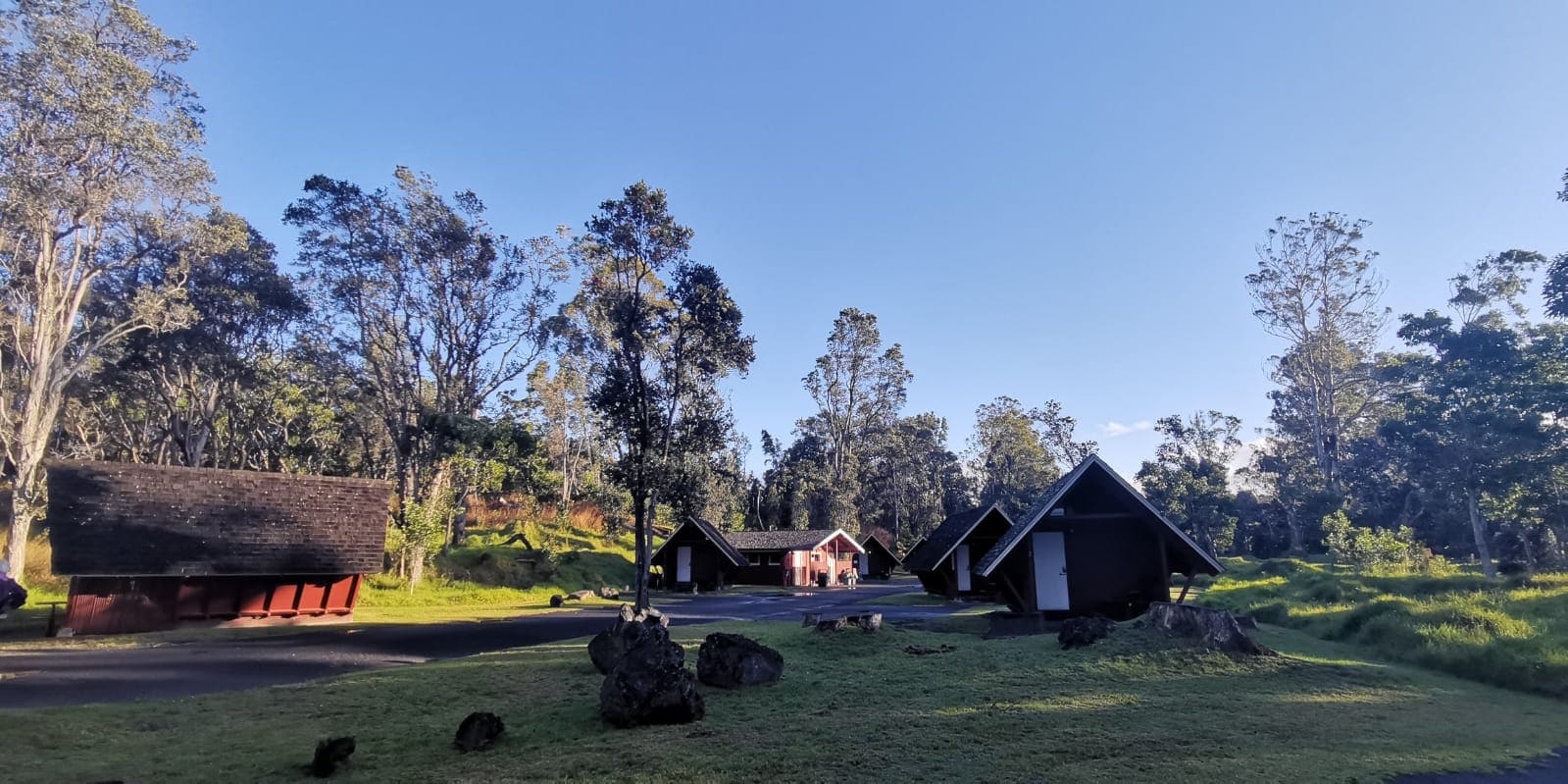
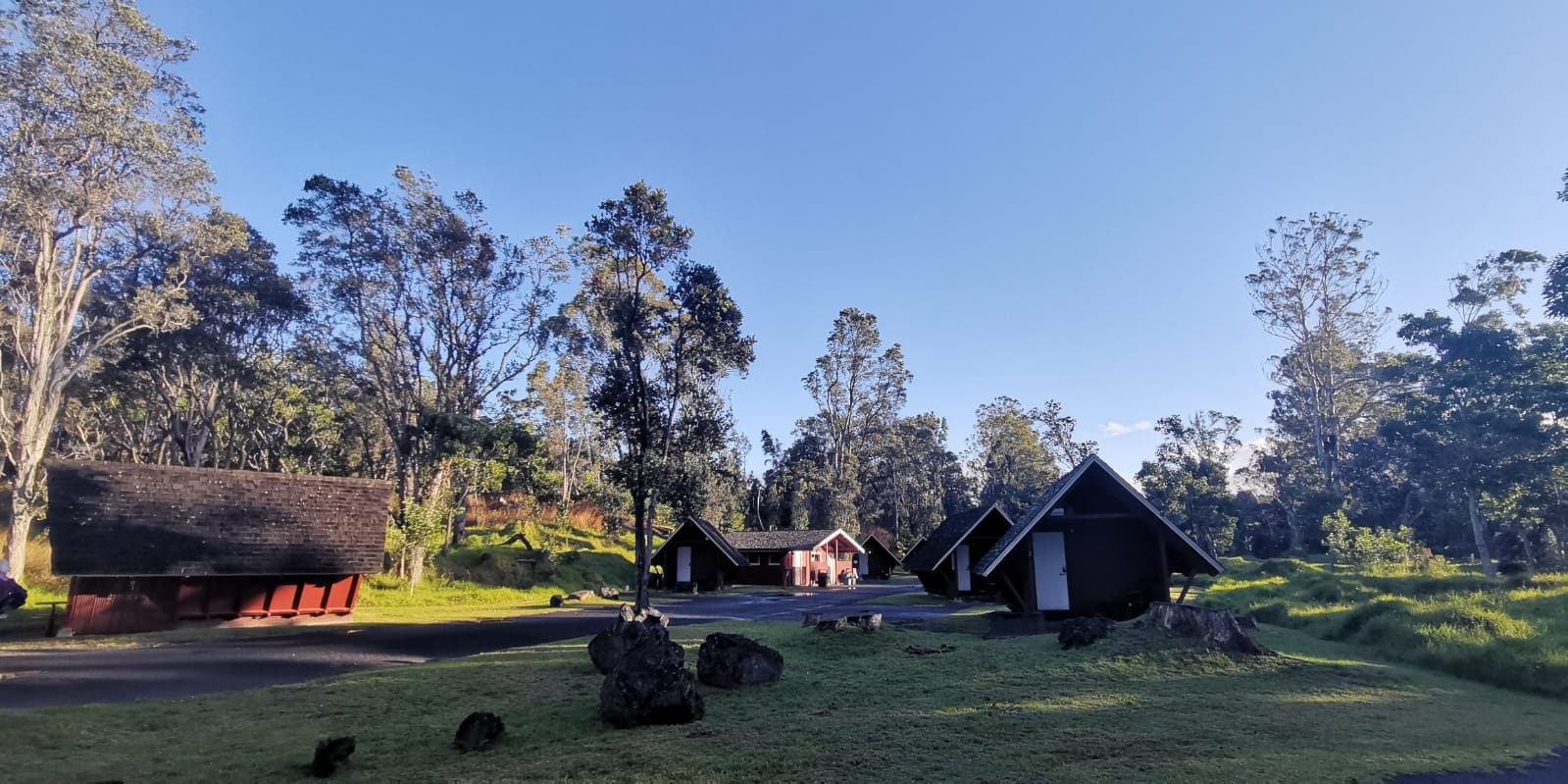
Permits: Your Biggest Hurdle
Securing a camping permit is often the most challenging – and potentially expensive – part of planning a Hawaii camping trip. Hawaii operates a dual system: state park camping managed by the Division of Land and Natural Resources (DLNR), and county park camping, overseen by individual county departments like Honolulu.gov for Oahu. These systems have different rules, fees, and reservation processes.
DLNR permits are generally required for camping in state parks, which include many of the most popular and scenic campsites. Reservations can be made online through the DLNR’s website, but competition is fierce. For many campsites, you'll need to book well in advance – sometimes six months or more – and be prepared for a lottery system, especially during peak season. Permit fees vary by island and park, but generally range from $30 to $75 per night for non-residents as of April 2026.
County park camping often has different rules. Some parks operate on a first-come, first-served basis, with walk-up permits available. However, availability is limited, and these spots fill up quickly. Fees for county permits tend to be lower than state permits, but the facilities may also be more basic. It’s important to check the specific regulations for the county you plan to visit.
Camping without a permit can result in hefty fines – sometimes exceeding $250 – and you risk being asked to leave. It’s simply not worth the risk. Always ensure you have the necessary permits before setting up camp. You can find detailed information and reservation links on the DLNR website (dlnr.hawaii.gov) and the relevant county parks and recreation department websites.
- DLNR State Park Permits: $30-$75/night (non-residents)
- Honolulu County Permits: Varies, typically lower than DLNR
- Reservation Lead Time: 6+ months recommended for popular sites
- Penalty for Camping Without Permit: $250+ fines
Hawaii Camping Cost & Reservation Difficulty - 2026
| Island | Park Name | Permit Cost (per night) | Reservation Difficulty | Notes |
|---|---|---|---|---|
| Oahu | Ahupuaʻa Keaau Settlement | $5.00 per person, per night (Non-residents) | Moderate | Reservations required 30 days in advance. Limited sites. |
| Oahu | Mākaha Beach Park | $5.00 per person, per night (Non-residents) | Hard | Lottery system in place; applications required well in advance. |
| Maui | Hāna Bay | $30.00 per night (Out-of-state) | Hard | Reservations are extremely competitive. Limited availability. |
| Maui | Kipahulu Campground (Haleakalā National Park) | $30.00 per night | Moderate | Reservations required through Recreation.gov. |
| Kauai | Kōkeʻe State Park (various campgrounds) | $20.00 per night (Non-residents) | Moderate | Reservations recommended, especially during peak season. |
| Kauai | Kalalau Beach (Koke'e State Park) | $35.00 per night (Non-residents) | Hard | Permit required, lottery system. Strict regulations apply. |
| Big Island | Nāpōʻopoʻo Beach Park | $10.00 per night (Non-residents) | Easy | First-come, first-served basis, walk-up availability often present. |
| Big Island | Kīpuka ʻAinapo (Mauna Loa Forest Reserve) | $20.00 per night | Moderate | Reservations required. Limited sites available. |
Illustrative comparison based on the article research brief. Verify current pricing, limits, and product details in the official docs before relying on it.
Gear Costs: What You'll Actually Need
The cost of camping gear can add up quickly, but you don’t necessarily need to buy everything brand new. Distinguishing between 'must-have' and 'nice-to-have' items is key to staying within budget. A good quality tent is essential, ranging from $100 for a basic model to $400+ for a more durable, weatherproof option. A sleeping bag appropriate for Hawaii’s temperatures (usually a 30-40 degree rating is sufficient) will cost between $80 and $200.
Other essentials include a sleeping pad ($50-$150), a portable cooking stove ($30-$100), cookware ($20-$80), a headlamp ($20-$50), and a reliable water filter or purifier ($30-$100). Don’t skimp on insect repellent and reef-safe sunscreen – both are crucial for a comfortable and responsible trip. Expect to pay around $15-$30 for each. Rain gear is also a smart investment, even during the dry season, costing roughly $40-$100.
Consider renting gear in Hawaii instead of bringing your own, especially if you’re flying. Several outfitters on each island offer rentals, but costs can vary. Renting a tent might be around $20-$30 per night. Bringing your own gear avoids rental fees, but adds baggage costs to your flight. Always choose reef-safe sunscreen to protect Hawaii’s delicate coral reefs – regular sunscreen can cause significant damage.
Getting There & Around: Transportation Costs
Flights to Hawaii are a major expense. As of mid-2026, round-trip flights from the US West Coast (e.g., Los Angeles, San Francisco) typically range from $400 to $800, depending on the time of year and how far in advance you book. From the East Coast, expect to pay $700 to $1200 or more. Factor in baggage fees, which can easily add $50-$100 each way for checked bags containing camping gear.
Inter-island travel is usually done by air. Hawaiian Airlines and Southwest Airlines offer frequent flights between the islands, costing between $80 and $200 per flight. Ferries are limited – only available between Maui and Lanai, and Maui and Molokai – and may be a more expensive option. Renting a car is the most convenient way to explore most islands, costing around $50-$100 per day, plus gas.
On Oahu, TheBus public transportation system is a relatively affordable option, with a day pass costing around $5.50. Biking or hiking to campsites is feasible in some areas, but requires careful planning and consideration of distances and terrain. Parking fees at trailheads and popular campsites can range from $5 to $20 per day.
Food & Water: Fueling Your Adventure
Food and water costs can quickly add up in Hawaii, where groceries are significantly more expensive than on the mainland. Bringing your own non-perishable food items can save you money. A realistic daily food budget is around $40-$60 per person, assuming you cook most of your meals. This includes breakfast, lunch, dinner, and snacks.
A sample meal plan might include oatmeal for breakfast ($3), sandwiches for lunch ($8), and pasta with sauce for dinner ($12). This is a basic plan, and costs will increase if you opt for fresh produce or restaurant meals. Bottled water is expensive, so bringing a water filter or purifier is highly recommended. Alternatively, budget $5-$10 per day for bottled water.
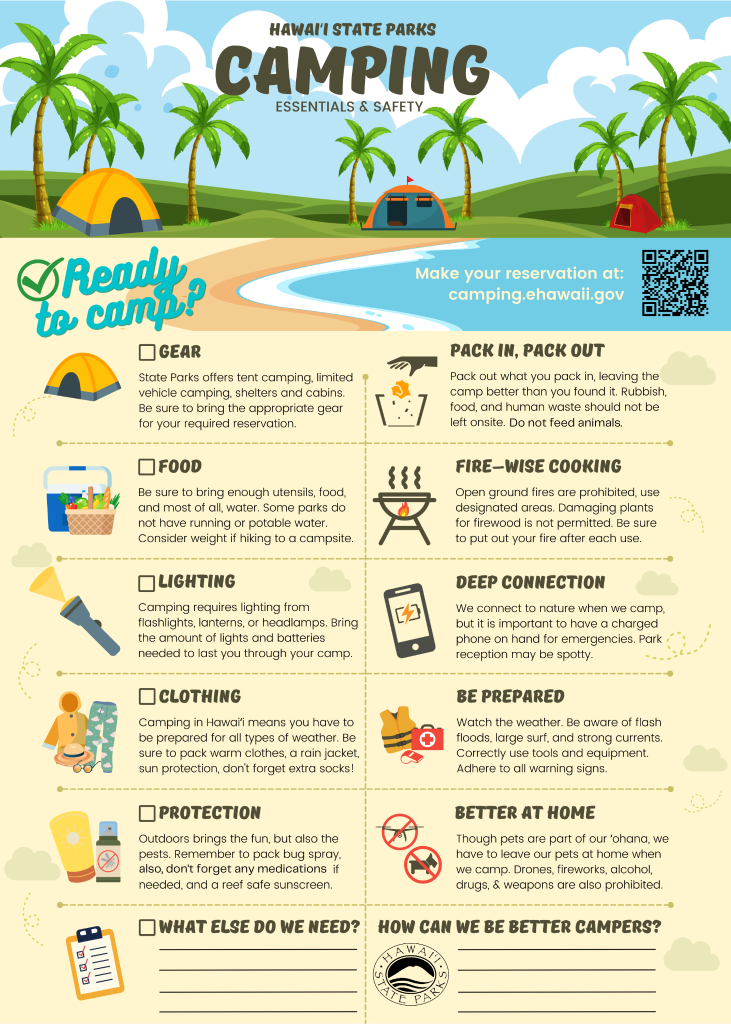
Be aware of any restrictions on campfires or cooking methods at your chosen campsite. Some parks prohibit open fires, requiring you to use a portable stove. Proper food storage is also essential to prevent attracting rodents or other animals.
Unexpected Expenses: Buffer for the Unknown
It’s always wise to factor in unexpected expenses. A well-stocked first aid kit is a must, costing around $30-$50. Toiletries and laundry supplies will add another $20-$30. Some campsites don’t have shower facilities, so you may need to budget for gym memberships or public showers. Consider $10-$20 for these.
Parking tickets or other minor fines can also occur. Travel insurance is a good idea, especially if you’re concerned about trip cancellations or medical emergencies. And finally, it’s prudent to have a contingency fund of at least $100-$200 for any unforeseen circumstances, such as replacing damaged gear or unexpected transportation costs.
A little extra planning and a financial cushion can make all the difference in ensuring a smooth and enjoyable Hawaii camping trip. Don't underestimate the importance of being prepared for the unexpected.
Island-Specific Cost Breakdowns
Each Hawaiian island has its own unique cost considerations. The Big Island, due to its size, generally has higher transportation costs. Rental cars are almost essential for exploring the diverse landscapes, and gas prices are higher than on other islands. Campsites on the Big Island can range from $30 to $60 per night.
Oahu tends to have the most expensive campsites due to high demand. Reservations are essential, and popular sites book up months in advance. Public transportation is a viable option on Oahu, reducing the need for a rental car. Expect to pay $40-$75 per night for camping. Maui offers a mix of options, with campsites ranging from $30 to $60 per night. Inter-island flights are relatively affordable.
Kauai is known for its stunning natural beauty, but campsites can be limited and competitive. Transportation costs are moderate, and a rental car is recommended for exploring the island. Campsites typically cost $30-$50 per night. Molokai and Lanai offer a more remote and less crowded camping experience, but may have fewer amenities and higher transportation costs. Free camping options are extremely rare and often require special permits or landowner permission.
It's crucial to research the specific regulations and costs for the island you plan to visit. Each island’s county parks and recreation department website will have detailed information.
Saving Money: Tips & Tricks
Camping during the off-season (spring or fall) can significantly reduce costs, as flights and campsites are typically cheaper. Cooking your own meals is one of the most effective ways to save money. Avoid eating out at restaurants, which can be very expensive. Carpooling with other travelers or utilizing public transportation can also lower your transportation expenses.
Look for free activities and attractions, such as hiking trails, beaches, and parks. Many of Hawaii’s natural wonders are free to enjoy. Staying at less popular campsites can also save you money, as they often have lower permit fees. Traveling with a group allows you to split costs for rental cars, campsites, and groceries.
Consider bringing your own camping gear instead of renting it. And finally, be flexible with your plans. Being open to alternative campsites or activities can help you stay within budget and discover hidden gems.
No comments yet. Be the first to share your thoughts!