

National Park Summer: Costs to Consider
Summer in our national parks is an incredible experience, but it’s also becoming increasingly expensive. Data from the National Park Service (NPS) and the Department of the Interior (DOI) shows a consistent rise in costs over the past few years. This is due to a combination of factors: general inflation, a surge in visitation, and, frankly, the ongoing need for increased funding to maintain these vast and treasured spaces.
The DOI’s budget requests for the NPS have steadily increased, reflecting the growing demands on the park system. However, keeping pace with rising costs and visitor numbers is a challenge. It’s easy to feel discouraged when planning a trip, seeing the potential price tag balloon quickly. The goal here isn't to scare you away, but to equip you with the information you need to make informed decisions and plan a national park adventure that fits your budget.
I've seen firsthand how quickly a seemingly simple camping trip can add up. It's not just the campsite fee; it's the gas to get there, the food, and the inevitable small purchases along the way. Being aware of all these components is the first step towards a cost-effective vacation. We'll break down each element in detail, looking at camping versus hotel options, transportation, food, and activities.
National parks offer something for everyone, and a memorable experience doesn't have to break the bank. With careful planning and a realistic understanding of the costs involved, you can enjoy the beauty and wonder of America’s natural treasures without financial stress. It’s about prioritizing what matters most to you and making smart choices along the way.
Camping Costs: A Detailed Breakdown
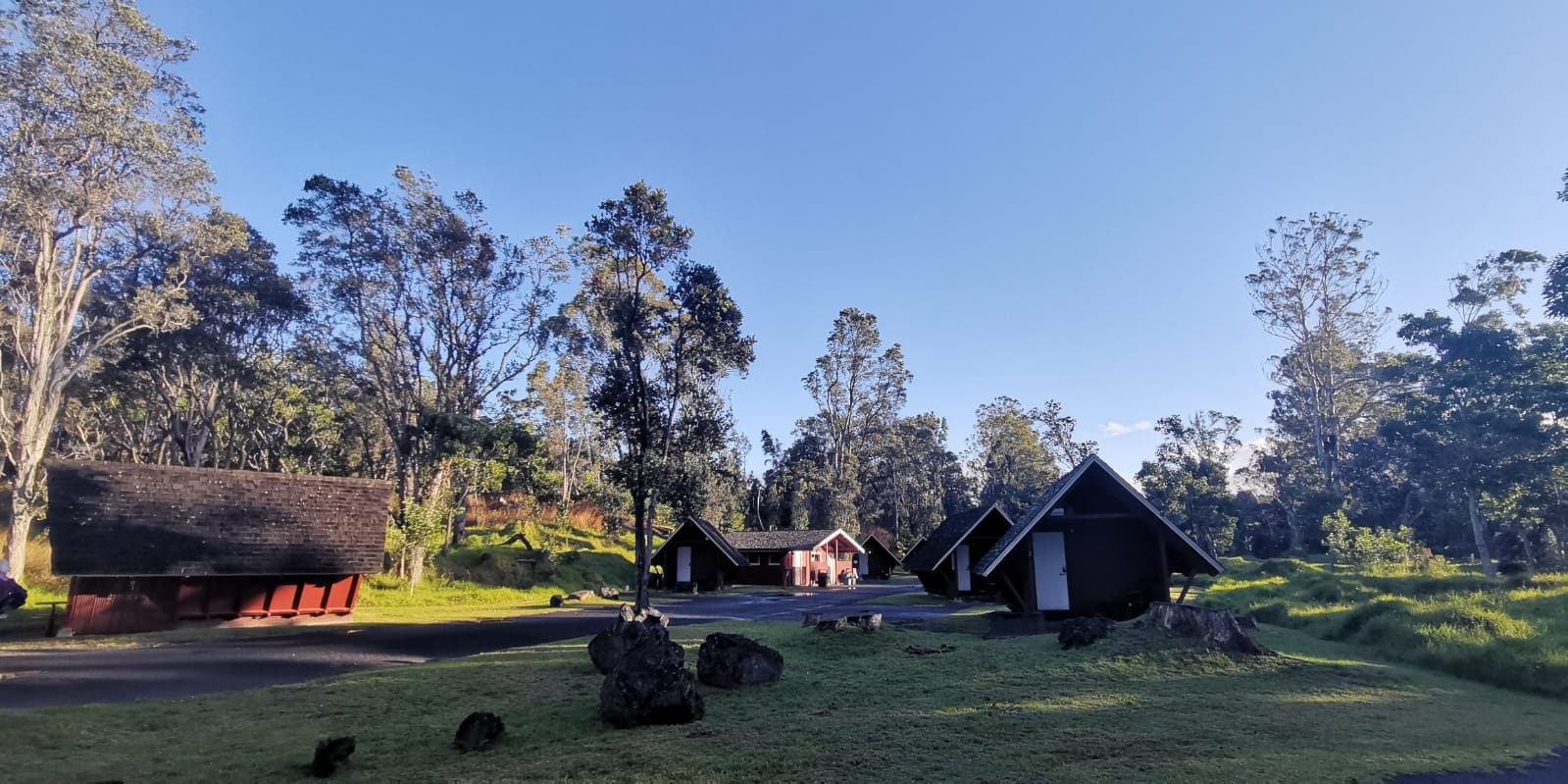
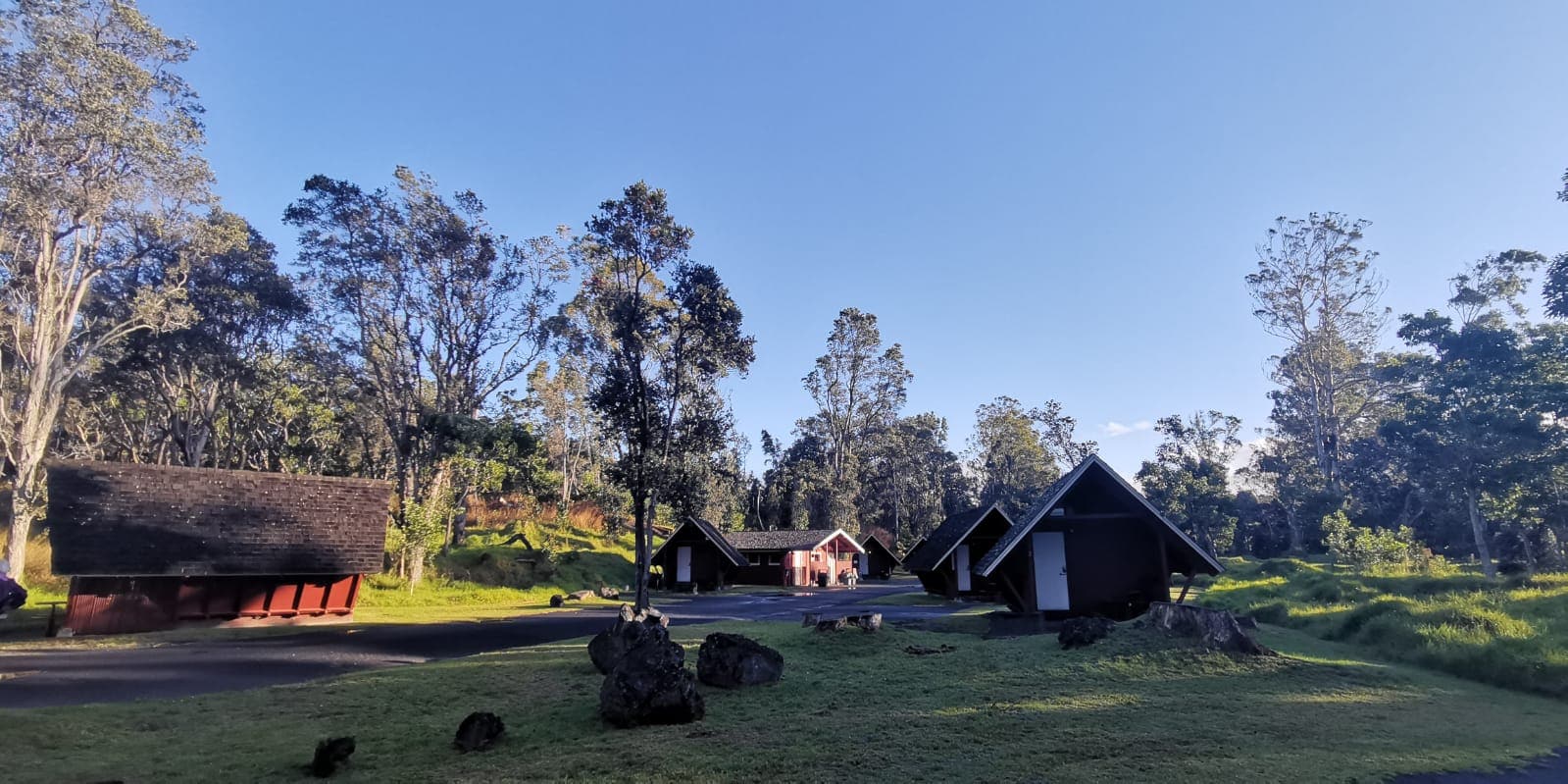
Camping is often touted as the most affordable way to experience national parks, and generally that’s true, but it’s not always as simple as it seems. The biggest upfront cost is often the campsite reservation itself, handled through Recreation.gov. Expect to pay anywhere from $20 to $70 per night, depending on the park, the location of the campsite, and the amenities offered. Popular parks like Yosemite and Zion can easily reach the higher end of that range, especially during peak season.
Campsite costs vary significantly. A basic tent site with no hookups will be the cheapest option. RV sites with electric, water, and sewer hookups will be considerably more expensive. Some parks also offer "walk-in" campsites, which are typically more affordable but require a short hike to access. It's a tradeoff between convenience and cost. Don’t forget to factor in reservation fees, which Recreation.gov charges a small fee for each transaction.
Beyond the campsite fee, there are potential additional costs. Many campgrounds offer showers and laundry facilities for a fee – usually a few dollars per use. Some parks may charge for firewood, even if you're collecting it yourself. Dispersed camping, or camping outside of designated campgrounds, is permitted in some national forests and Bureau of Land Management (BLM) lands adjacent to national parks. This is often free, but requires significantly more planning and self-sufficiency.
I've found that dispersed camping isn't truly 'free' when you consider the time spent researching locations, ensuring you have all the necessary gear (water filters, bear canisters, etc.), and driving on potentially rough roads. It’s a great option for experienced campers willing to put in the effort, but it’s not ideal for beginners. Plus, you are typically further from amenities and park attractions. A good rule of thumb is to budget at least $30-$80 per night for a comfortable camping experience, even if the campsite itself is relatively inexpensive.
- Campsite Reservation: $20 - $70/night (Recreation.gov)
- Reservation Fee: $1 - $10 per transaction
- Showers/Laundry: $3 - $10 per use
- Firewood: $5 - $20 per bundle
- Dispersed Camping: Free (but requires more gear & planning)
Summer 2026 National Park Campsite Costs (USD)
| National Park | Tent Campsite (per night) | RV Site with Hookups (per night) | Group Campsite (per night) | Reservation Fee |
|---|---|---|---|---|
| Yosemite National Park | Generally $20 - $36 | Generally $40 - $60 | Generally $100 - $200 | $6 - $10 |
| Yellowstone National Park | Generally $20 - $35 | Generally $30 - $50 | Generally $80 - $150 | $6 - $10 |
| Grand Canyon National Park (Mather Campground) | Generally $18 - $25 | No RV sites with hookups in Mather Campground | Generally $60 - $100 | $6 - $10 |
| Zion National Park (South Campground) | Generally $20 - $30 | Generally $30 - $45 | Generally $60 - $120 | $6 - $10 |
| Acadia National Park (Blackwoods Campground) | Generally $22 - $30 | Generally $35 - $50 | Generally $75 - $150 | $10 |
| Rocky Mountain National Park | Generally $20 - $30 | Generally $35 - $55 | Generally $80 - $160 | $6 - $10 |
| Glacier National Park | Generally $23 - $33 | Generally $35 - $55 | Generally $70 - $140 | $6 - $10 |
| Olympic National Park | Generally $20 - $30 | Generally $30 - $50 | Generally $60 - $120 | $6 - $10 |
| Great Smoky Mountains National Park | Generally $20 - $25 | Generally $30 - $40 | Generally $60 - $100 | No reservation fee for many campgrounds |
| Arches National Park (Devils Garden Campground) | Generally $25 - $30 | No RV sites with hookups | Generally $75 - $150 | $6 |
Illustrative comparison based on the article research brief. Verify current pricing, limits, and product details in the official docs before relying on it.
Hotel & Lodge Expenses: Park and Nearby Options
Staying in lodging inside a national park is undeniably convenient, but it comes at a premium. Historic lodges and cabins offer a unique experience, but can easily cost $200 to $500+ per night, depending on the park and the type of accommodation. These options often book up months, even a year, in advance, so planning is essential. Yosemite Valley Lodge and the Old Faithful Inn are prime examples of in-park lodging that’s both popular and expensive.
If in-park lodging is unavailable or outside your budget, consider staying in gateway towns just outside the park boundaries. These towns offer a wider range of options, from budget motels to luxury resorts. For example, West Yellowstone, Montana, is a popular gateway town for Yellowstone National Park, with hotels ranging from $100 to $300+ per night. The closer you get to the park entrance, the more you can expect to pay.
Hotel tiers in gateway communities vary considerably. A basic motel room might cost around $100-$150 per night, while a mid-range hotel with amenities like a pool and breakfast could run $150-$250. Luxury resorts with spas and fine dining can easily exceed $300 per night. It’s important to read reviews and compare prices before booking. Websites like Booking.com and Expedia can be helpful for finding deals.
I’ve often found that staying slightly further from the park entrance can save a significant amount of money. A 30-minute drive might mean the difference between paying $250 and $150 per night. However, factor in the cost of gas and the time spent commuting when making your decision. Don’t underestimate the value of convenience, especially if you plan on entering and exiting the park multiple times during your stay.
- In-Park Lodges/Cabins: $200 - $500+/night
- Gateway Town Motels: $100 - $150/night
- Gateway Town Mid-Range Hotels: $150 - $250/night
- Gateway Town Luxury Resorts: $300+/night
Essential Camping Gear for Your National Parks Adventure

Sleeps 2-6 people · Sets up in 10 minutes · Weatherproof shelter
This tent offers a reliable and easy-to-set-up shelter option for various outdoor activities.

Rated for 25 degrees Fahrenheit · Lightweight and includes a compression sack · Suitable for adults
A comfortable and compact sleeping bag that provides warmth for cooler nights during your camping trip.

Two-burner propane stove · Classic design for reliable cooking · Portable for camping
This stove provides a convenient and efficient way to cook meals outdoors, enhancing the camping experience.
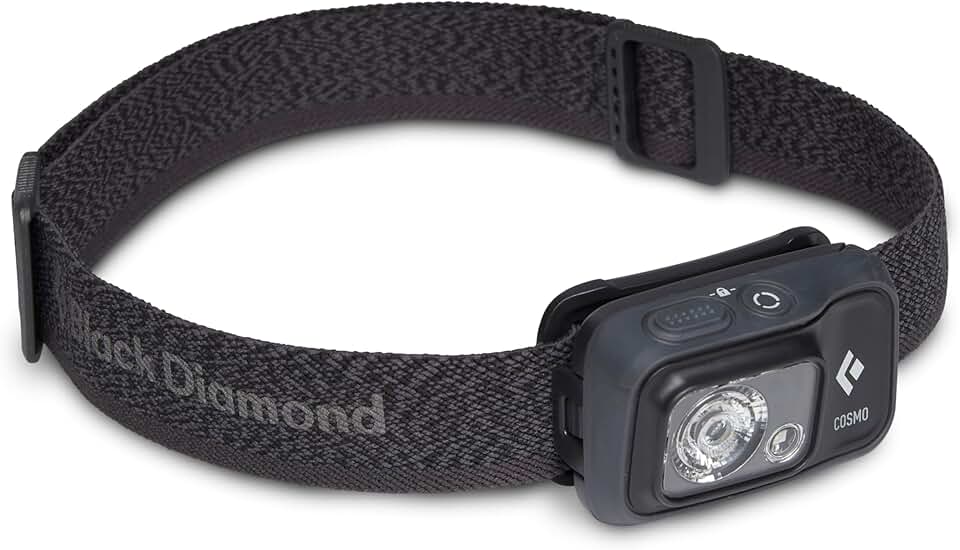
350 lumens of brightness · Dual power options (batteries included) · Waterproof and dimmable light
An essential, hands-free lighting solution for navigating campsites and trails after dark.
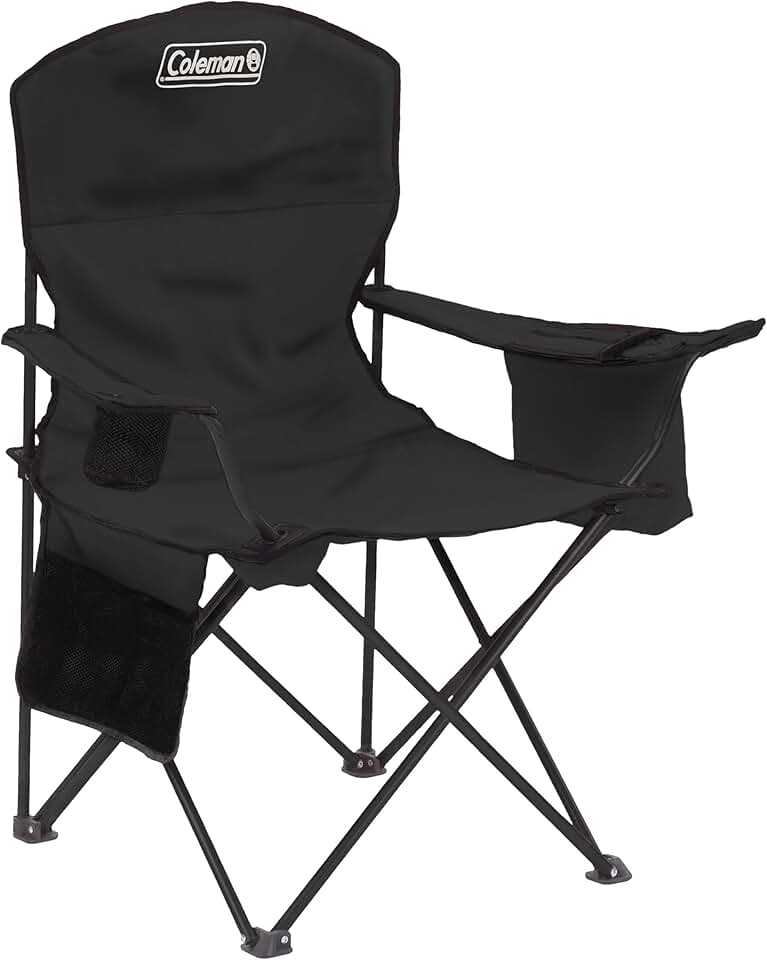
Built-in 4-can cooler · Cushioned seat and back · Includes side pockets and cup holder
This chair offers comfort and convenience with integrated features, making downtime at the campsite more enjoyable.
As an Amazon Associate I earn from qualifying purchases. Prices may vary.
Transportation: Getting There & Around
Transportation costs can easily become a major part of your national park budget. Gas prices fluctuate, but currently average around $3.50 - $4.50 per gallon nationally. Vehicle maintenance – oil changes, tire rotations, etc. – should also be factored in, especially if you’re planning a long road trip. Rental car costs can vary widely depending on the location and the type of vehicle, but expect to pay at least $50-$100 per day.
Deciding whether to fly or drive depends on the distance and your time constraints. For shorter distances, driving is often the more cost-effective option. However, for longer distances, flying might save you time and potentially money, especially if you can find a good deal on airfare. Don't forget to factor in baggage fees and the cost of getting from the airport to the park.
Once you’re at the park, consider utilizing the park’s shuttle system, if available. Many parks offer free or low-cost shuttle services that can help you avoid parking hassles and reduce your carbon footprint. Yosemite National Park, for example, has a comprehensive shuttle system that serves many of the popular attractions. Entrance fees are another consideration. An "America the Beautiful" pass costs $80 and provides access to all national parks and federal recreation lands for one year.
I always recommend the 'America the Beautiful' pass if you plan on visiting multiple parks within a year. It quickly pays for itself. However, even if you’re only visiting one park, it’s worth calculating whether the pass would be cheaper than paying the individual entrance fees. Driving isn’t always the cheapest option, and a little research can go a long way in saving money on transportation.
Food & Activities: Budgeting for Experiences
Daily expenses beyond lodging and transport can quickly add up. If you’re camping, groceries will be your primary food cost. Expect to spend around $50-$100 per day on food for a family of four, depending on your dietary preferences and cooking habits. Eating at restaurants, especially inside the park, will be significantly more expensive – easily $100-$200+ per day.
Park activities also come with a cost. Guided tours, ranger programs, boat rides, and other attractions can range from $20 to $100+ per person. However, many of the best experiences in national parks are free: hiking, wildlife viewing, stargazing, and simply enjoying the scenery. Take advantage of these free opportunities to save money and connect with nature.
I've noticed that people often underestimate how much they spend on snacks and souvenirs. A small bag of chips here, a t-shirt there – it all adds up. Setting a budget for these incidental expenses can help you stay on track. Consider packing your own snacks and drinks to avoid paying inflated prices inside the park.
Don’t be afraid to pack a picnic lunch instead of eating at a restaurant. It’s a great way to save money and enjoy the beautiful surroundings. And remember, the most valuable experiences in a national park aren’t always the most expensive ones. Sometimes, the simplest moments – a sunset hike, a conversation with a ranger, a moment of quiet contemplation – are the most memorable.
Park-Specific Cost Examples: Yosemite vs. Acadia
To illustrate how costs vary, let’s compare a 5-day trip for a family of four to Yosemite National Park (California) and Acadia National Park (Maine). Yosemite is known for its iconic scenery but is also one of the most popular and expensive parks to visit. Acadia, while still popular, is generally more affordable and accessible.
Yosemite (5-day trip, family of four): Camping: $35/night x 5 nights = $175. Transportation (gas + park entrance): $400. Food: $600 (mostly groceries, some restaurant meals). Activities: $300 (guided tour, museum entry). Total: $1475. Lodge Option: $350/night x 5 nights = $1750. Transportation: $400. Food: $700. Activities: $300. Total: $3150.
Acadia (5-day trip, family of four): Camping: $30/night x 5 nights = $150. Transportation (gas + park entrance): $300. Food: $400 (mix of groceries and restaurants). Activities: $200 (bike rentals, boat tour). Total: $1050. Hotel Option: $200/night x 5 nights = $1000. Transportation: $300. Food: $500. Activities: $200. Total: $2000.
As you can see, a trip to Yosemite is significantly more expensive than a trip to Acadia, even with similar activities. Yosemite’s higher lodging costs and transportation expenses contribute to the larger price tag. These are just estimates, of course, and your actual costs may vary depending on your travel style and preferences. But it demonstrates how location dramatically impacts your overall budget.
Hidden Costs & Unexpected Expenses
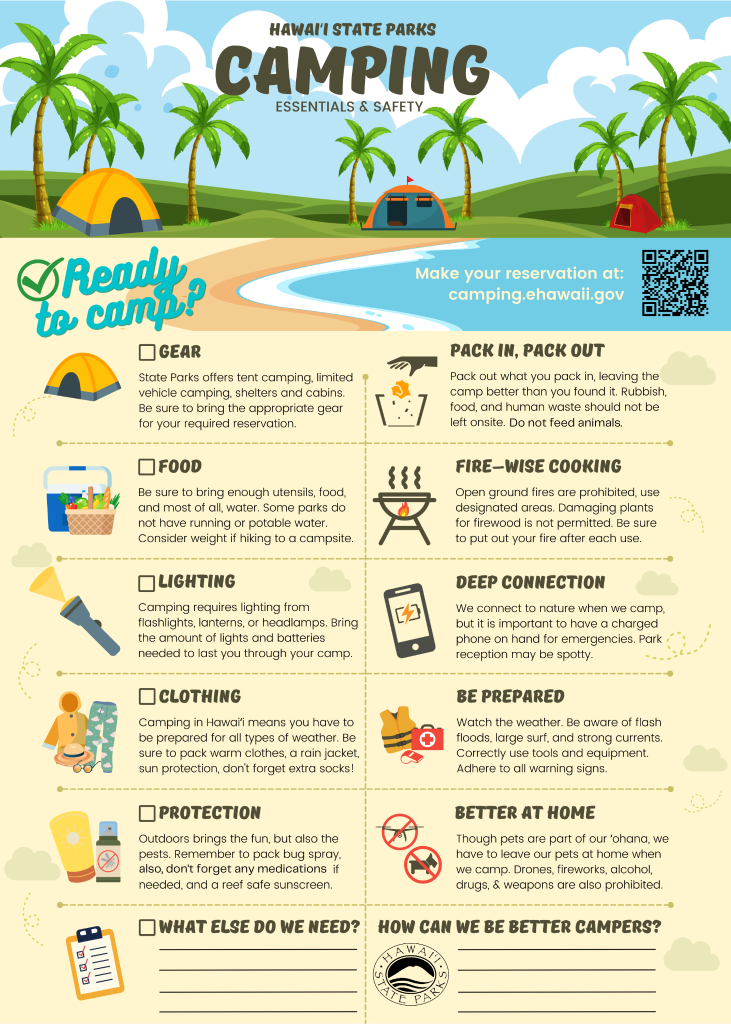
It’s crucial to factor in potential hidden costs and unexpected expenses when planning your national park budget. These can include park entrance fees for multiple parks if you’re on a longer road trip, gear repairs or replacements (a broken tent pole or a flat tire can derail your plans), medical expenses (first-aid supplies, potential doctor visits), and emergency supplies (extra food, water, and a flashlight).
I always recommend creating a buffer in your budget – at least 10-15% – to cover unforeseen circumstances. You might also need to purchase items like sunscreen, bug spray, and bear spray (depending on the park). Don’t forget about the cost of laundry facilities if you’re camping for an extended period. And be prepared for potential delays due to weather or traffic.
Having a small emergency fund can provide peace of mind and prevent unexpected expenses from ruining your trip. It's better to be overprepared than underprepared, especially when you’re venturing into the wilderness. A little planning and foresight can go a long way in ensuring a smooth and enjoyable national park adventure.
No comments yet. Be the first to share your thoughts!