

The price gap between snow and sun
Understanding the skiing Colorado cost 2026 requires looking at where the money actually disappears. Colorado’s budget is dominated by daily variable expenses: lift tickets, equipment rentals, and meals on the mountain. A family of four skiing at Breckenridge for five weekdays will face a baseline cost of roughly $3,000 just for the resort access, not including flights or lodging. These costs accumulate quickly, turning a weekend into a significant financial commitment.
Hawaii camping operates on a different financial model. The fixed costs are steep. International flights to the islands and the logistics of transporting bulky camping gear represent a substantial upfront investment. However, once you are on the ground, the daily activity costs plummet. You are not paying for lift tickets, shuttle buses, or expensive mountain-side dining. Your daily spend is limited to basic food supplies and campsite fees.
This creates a distinct trade-off. Colorado demands a higher daily spend for the luxury of convenience and infrastructure. Hawaii requires a larger initial outlay for access, but rewards you with low marginal costs for the activities themselves. Choosing between them depends on whether you prefer predictable daily expenses or a high upfront fixed cost.
Skiing Colorado cost 2026 breakdown
Understanding the skiing Colorado cost 2026 requires looking past the base price of a lift ticket. The daily expense on the mountain is driven by three main components: lift access, equipment rentals, and lodging. While some resorts offer budget-friendly alternatives, premium destinations significantly inflate the per-day budget for individuals and families alike.
Lift Tickets and Gear
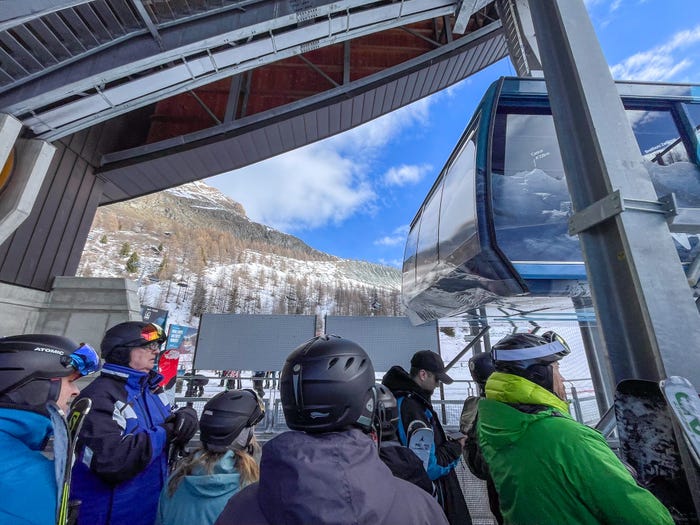
Lift ticket prices vary drastically depending on the resort tier. For budget-conscious skiers, Loveland Ski Area offers a more accessible entry point, with season passes for adults starting around $599 for the 2026/27 season. However, daily walk-up prices at premium resorts like Aspen Snowmass can reach $269 for a single day. Even mid-tier resorts like Breckenridge see family costs climb quickly; a week-long trip for two adults and two children on weekdays can total approximately $3,000 in lift fees alone.
Rentals add another layer of cost. A full set of skis, boots, and poles typically runs $50 to $80 per day at major resorts. If you are bringing your own gear, you can save significantly, but most visitors will need to factor this into their daily budget.
Lodging and Daily Totals
Lodging is often the largest hidden cost. Staying near major resorts like Aspen or Vail can easily double or triple the cost of a day on the mountain. Budget options exist further from the slopes, but they require time and money for shuttle services or gas. When you combine a $150 lift ticket, $70 in rentals, and $300 for a modest hotel room, a single day of skiing can cost over $500 for one person. This high daily rate is why skiing Colorado cost 2026 often exceeds other winter sports destinations on a per-day basis.
| Resort | Daily Lift (Adult) | Season Pass (Adult) | Avg. Lodging/Night |
|---|---|---|---|
| Loveland | ~$189 | $599 | $150-$250 |
| Aspen Snowmass | $269 | $2,299 | $400-$800+ |
Hawaii camping costs and hidden fees
Camping in Hawaii sounds like the ultimate budget escape, but the island logistics quickly complicate the math. While the skiing Colorado cost 2026 is front-loaded into lift tickets and gear, Hawaii’s expenses are scattered across permits, transport, and equipment you must bring from home. The base price of a campsite is low, but the "pay-as-you-go" nature of island travel means every logistical step adds a fee.
Getting to a campsite is rarely free. Most state parks require advance reservations that can be difficult to secure, and the permits themselves add a fixed cost before you even arrive. More importantly, you have to get your gear there. Airlines charge significant fees for transporting tents, sleeping bags, and coolers, which turns a "cheap" trip into a premium experience. If you don't bring your own gear, rental costs in Hawaii are steep compared to the free or low-cost equipment often included in ski resort packages.
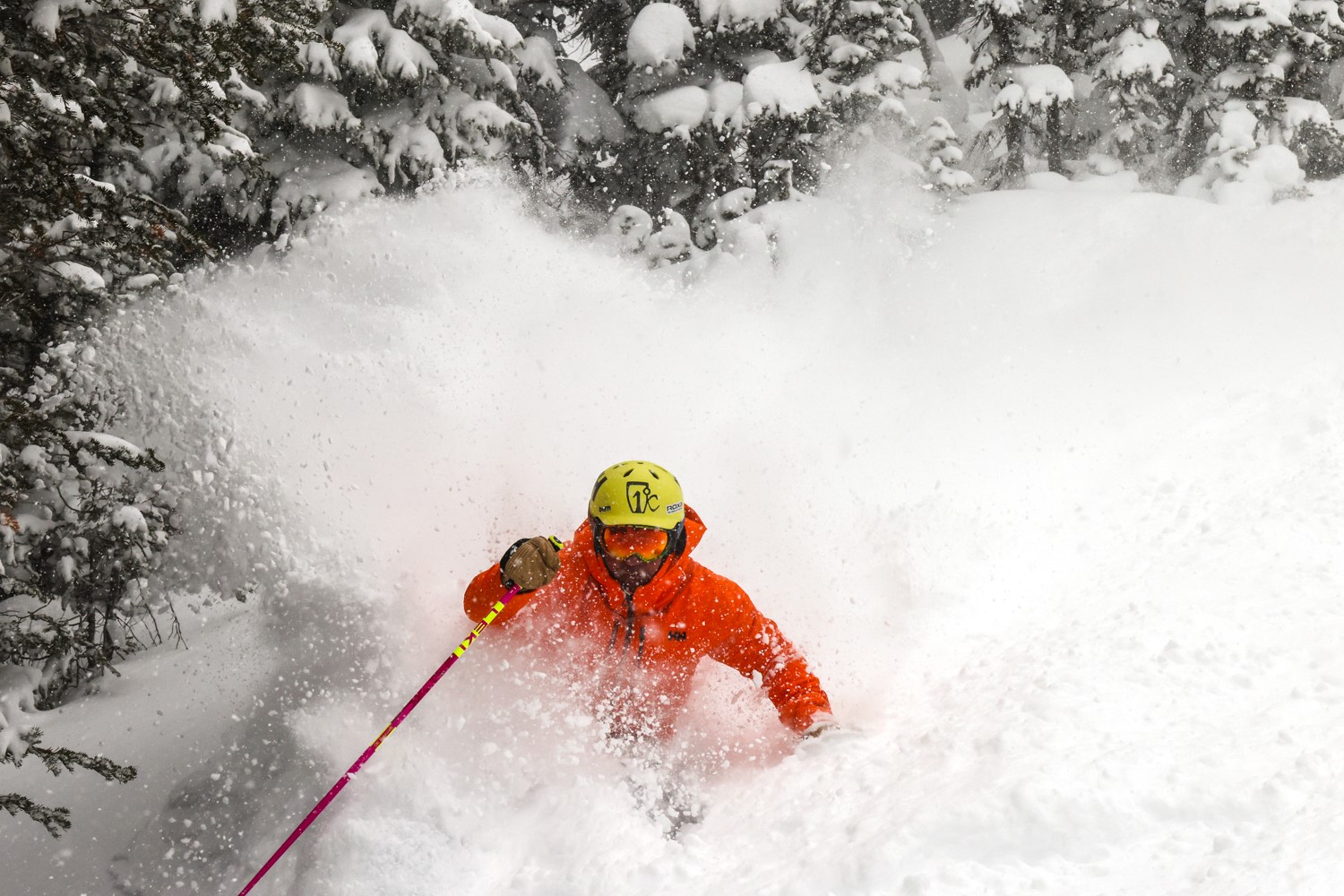
The contrast in spending models is stark. Skiing is a concentrated expense: you pay for the mountain access and the day's activities. Hawaii camping is a distributed expense: you pay for access, transport, permits, and daily sustenance separately. When you factor in the high cost of island groceries and the need for specialized gear to handle the terrain, the initial appeal of cheap camping often fades. You end up paying for the convenience of the island, not just the experience.
When to Choose Each Adventure
Your budget stretches differently depending on whether you chase powder or palm trees. If you are planning a skiing Colorado cost 2026 trip, expect daily expenses to scale quickly with lift tickets, gear rentals, and mountain lodging. A family of four can easily spend around $3,000 for five days of midweek skiing at major resorts like Breckenridge. Even with early-bird discounts, the price of entry is high because you are paying for infrastructure, snowmaking, and vertical access.
Hawaii offers a different financial equation. While flights and accommodations can be pricey, your daily activity costs are often lower if you already own your gear. Snorkeling, hiking, and beach time are free. You only pay for guided tours, surf lessons, or rental equipment if you choose to use them. This makes Hawaii a more flexible option for budget-conscious travelers who prefer to control their spending hour-by-hour.
Group Size and Gear Ownership
The decision often comes down to who is going and what you already have in your garage. Colorado skiing is most cost-effective for groups of four or more. When you split the cost of a rental house and shared lift tickets, the per-person rate drops significantly. However, if you are traveling solo or as a couple, the fixed costs of lodging and vehicle rentals eat into your budget fast. Additionally, if you do not own skis, boots, or poles, rental fees at mountain base areas can add $50-$80 per day to your total.
Hawaii favors smaller groups or solo travelers who are willing to hike or snorkel rather than rent expensive gear. If you already own a kayak, snorkel mask, or surfboard, your daily costs plummet. For families, Hawaii’s open-air nature means you can often find free campsites or budget-friendly condos with kitchens, allowing you to cook meals instead of dining out at tourist-trap restaurants. The lack of mandatory equipment rentals makes Hawaii the smarter financial choice for small groups or gear-owners.
| Factor | Colorado Skiing | Hawaii Camping |
|---|---|---|
| Daily Activity Cost | High ($150-$300+ per person) | Low to Free (Hiking, Snorkeling) |
| Gear Requirements | Rentals or Ownership ($50-$80/day) | Optional (Surfboards, Kayaks) |
| Best for Group Size | Families of 4+ (Split costs) | Couples or Solo (Flexible spending) |
| Lodging Style | Expensive Mountain Lodges | Budget Campsites or Condos |
No comments yet. Be the first to share your thoughts!