

Skiing Colorado Cost vs. Camping Hawaii Cost
Deciding between the Rockies and the Pacific often comes down to one question: what is the skiing Colorado cost compared to a Hawaiian outdoor adventure? The answer isn't just about the destination; it's about how you spend your time and money once you arrive. Colorado demands a higher upfront investment for lift tickets, gear, and mountain lodging, while Hawaii offers a lower barrier to entry but requires careful budgeting for gear rentals and campsite logistics.
The financial gap between these two experiences is significant. A weekend in Colorado involves premium pricing for lift tickets, which can range from $200 to $300 per day, alongside lodging that varies wildly from budget motels to luxury resorts. Hawaii’s camping model shifts the cost structure: you save on accommodation by sleeping under the stars, but you may spend more on renting kayaks, snorkel gear, or securing a premium campsite near popular beaches.
| Category | Skiing Colorado | Camping Hawaii |
|---|---|---|
| Lodging | $150–$1,000+/night | $50–$200/night (campsite) |
| Daily Activities | $200–$300 (lift ticket) | $50–$150 (gear rental/fees) |
| Food | $30–$100+/day | $20–$60/day (groceries/camping) |
This comparison highlights that while Hawaii appears cheaper on paper, the convenience of on-mountain dining and ski-in/ski-out access in Colorado comes at a premium. Hawaii’s lower costs come with the trade-off of self-sufficiency: you must bring or rent your own gear and prepare your own meals. Understanding these upfront differences helps you decide which budget fits your travel style better before you even book your flight.
Lift tickets and access fees
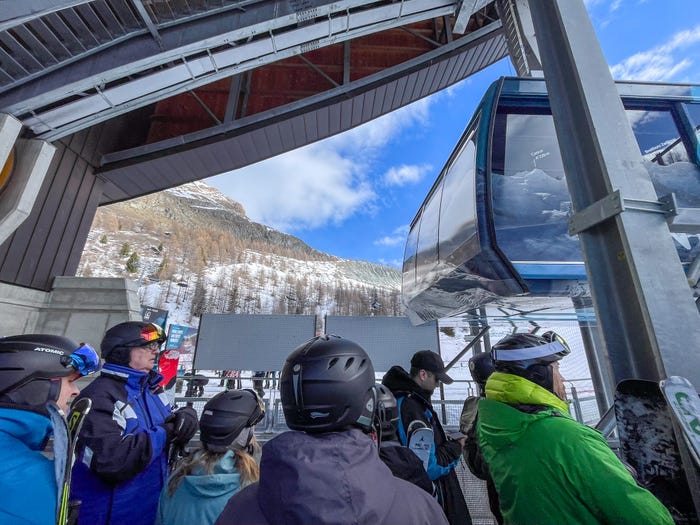
The single largest variable in the skiing Colorado cost calculation is the lift ticket. Unlike Hawaii, where access to nature is largely free or covered by minimal park fees, Colorado’s ski resorts operate as private enterprises with high overheads. A single day at a major front-range resort can easily exceed $200, while a three-day pass at a mid-sized area might still run $400 or more. This price point creates a high barrier to entry that fundamentally changes the budgeting strategy for a trip.
Hawaii offers a starkly different financial model. The primary cost for outdoor access is the Hawaii State Parks camping fee or the National Park entrance pass, which typically ranges from $30 to $50 per vehicle or individual. This low initial outlay allows travelers to allocate more of their budget toward gear, food, or extended stays without the looming threat of escalating daily access costs. While you might pay for a specific guided activity, the basic act of being in the mountains or on the beach remains inexpensive.
To understand the true scale of this disparity, it helps to look at the daily rates side-by-side. The following comparison highlights the difference between a budget-conscious Colorado option like Ski Cooper and a standard Hawaii camping permit.
| Activity | Colorado (Daily) | Hawaii (Daily) |
|---|---|---|
| Budget Lift Ticket | $75-$100 | N/A |
| Major Resort Ticket | $189-$239 | N/A |
| Park/Campsite Fee | N/A | $30-$50 |
| 3-Day Pass Total | $225-$650+ | $90-$150 |
Is there affordable skiing in Colorado? Yes, but it requires strategic planning. Ski Cooper in the San Juan Mountains is frequently cited as one of the most affordable options, often offering day rates significantly lower than the Ikon or Epic pass resorts. However, even these budget-friendly options remain an order of magnitude more expensive than a night in a Hawaii state park campground. When budgeting for a trip, treating lift tickets as a fixed daily expense rather than a variable one is essential for accurate forecasting.
Lodging and gear rental costs
The biggest expense in the skiing Colorado cost breakdown is usually lodging, followed closely by equipment rentals. Ski resorts are built for convenience, not economy, meaning you pay a premium to stay on the mountain. In contrast, Hawaii’s lodging costs are high, but the gear rental model is fundamentally different. Instead of specialized, high-value equipment, you are often renting lightweight, mass-produced camping gear.
Ski resort lodging and equipment
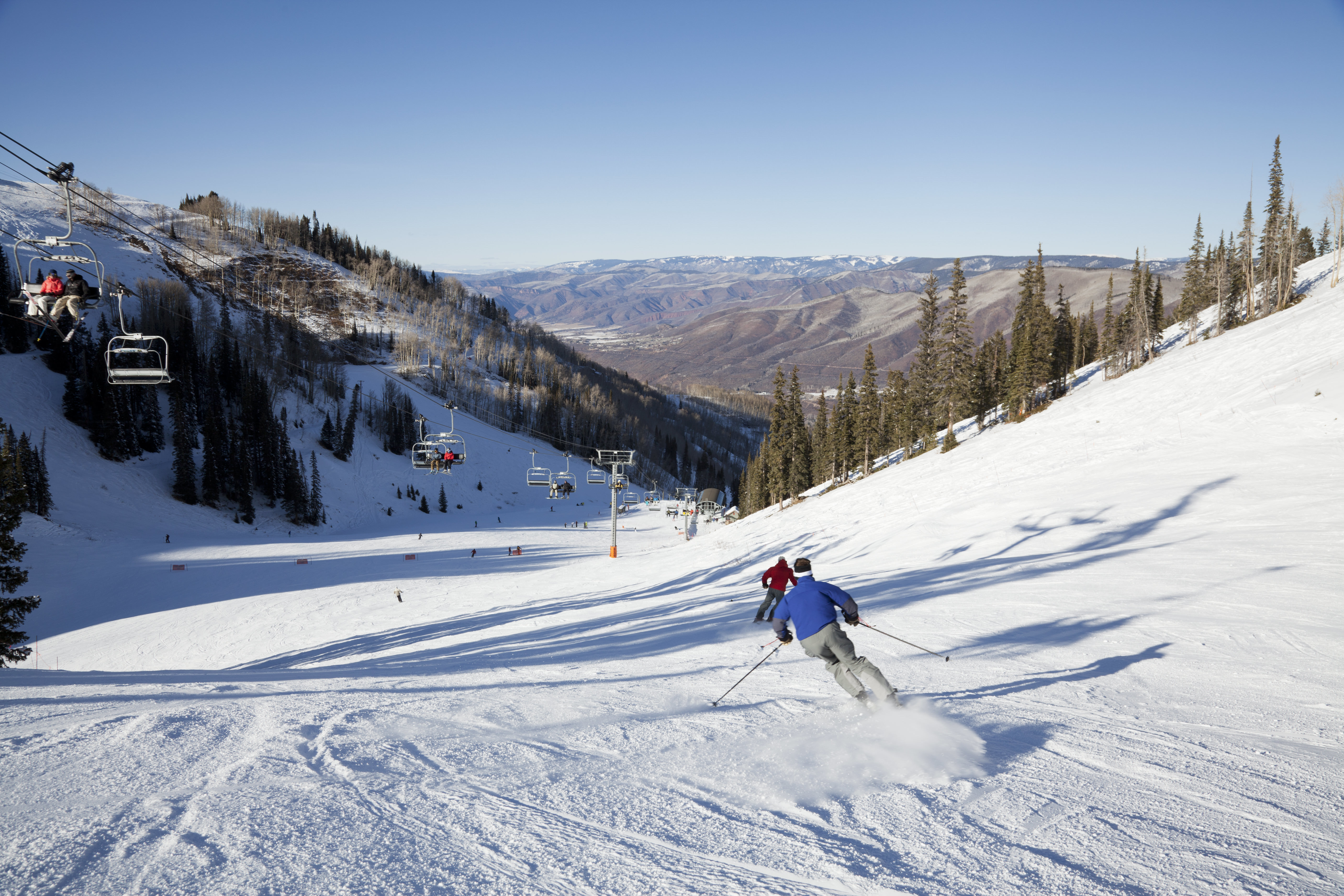
Lodging in Colorado ski towns varies wildly. You can find a hostel bunk for $150 a night or a luxury condo for $1,000+. However, the real cost driver is the gear. You cannot ski in street clothes; you need boots, skis, poles, and often a helmet. Renting a full package at a resort base typically runs $50–$100 per person per day. This is a mandatory, non-negotiable expense that does not exist in the same way for a Hawaiian camping trip.
Hawaii camping gear trade-offs
In Hawaii, the "gear" cost is lower but requires more planning. If you are camping at state parks like Haleakalā or Hawaiʻi Volcanoes, you might rent a tent, sleeping bag, and cooler from a local outfitter for $20–$40 per day. However, many campers find it cheaper to buy basic gear if they plan to stay multiple nights or travel to multiple islands. The trade-off is that you must transport this bulky gear on flights, which often incurs overweight baggage fees.
Cost comparison
The table below highlights the daily financial hit for each destination. Note that Colorado costs are heavily weighted toward high-value rentals and on-mountain lodging, while Hawaii costs are more modular.
| Item | Colorado (Ski) | Hawaii (Camping) |
|---|---|---|
| Lodging (per night) | $150–$500+ | $100–$300 |
| Equipment (per day) | $50–$100 | $20–$40 |
| Food (per person) | $50–$80 | $30–$50 |
| Lift/Entry Fee | $150–$200 | $0–$10 |
Daily Food and Spending Habits
The biggest difference between these two vacations is how you handle meals. In Colorado, the skiing Colorado cost often includes high markups at mountain lodges and resort towns. A single lunch at a base-area restaurant can easily run $30 to $40 per person. Dinner prices climb even higher, especially in popular hubs like Aspen or Vail. If you plan to eat out for every meal, daily food expenses can add $150 or more to your budget.
Hawaii offers a different path. While resort dining is expensive, most travelers rely on self-catering or local food trucks. Grocery stores in Honolulu or Maui stock affordable ingredients for breakfast and lunch. Food trucks, known as "plate lunches," offer hearty meals like loco moco for $12 to $15. This approach lets you enjoy local flavors without the resort price tag.
To see how these daily habits stack up, compare the typical on-the-ground spending for each destination.
| Expense | Colorado (Resort) | Hawaii (Local) |
|---|---|---|
| Breakfast | $15–$25 | $5–$10 (Grocery/Hotel) |
| Lunch | $30–$40 | $12–$15 (Food Truck) |
| Dinner | $40–$60+ | $20–$30 (Casual Local) |
| Daily Total | $85–$125+ | $37–$55 |
Best value strategies for each trip
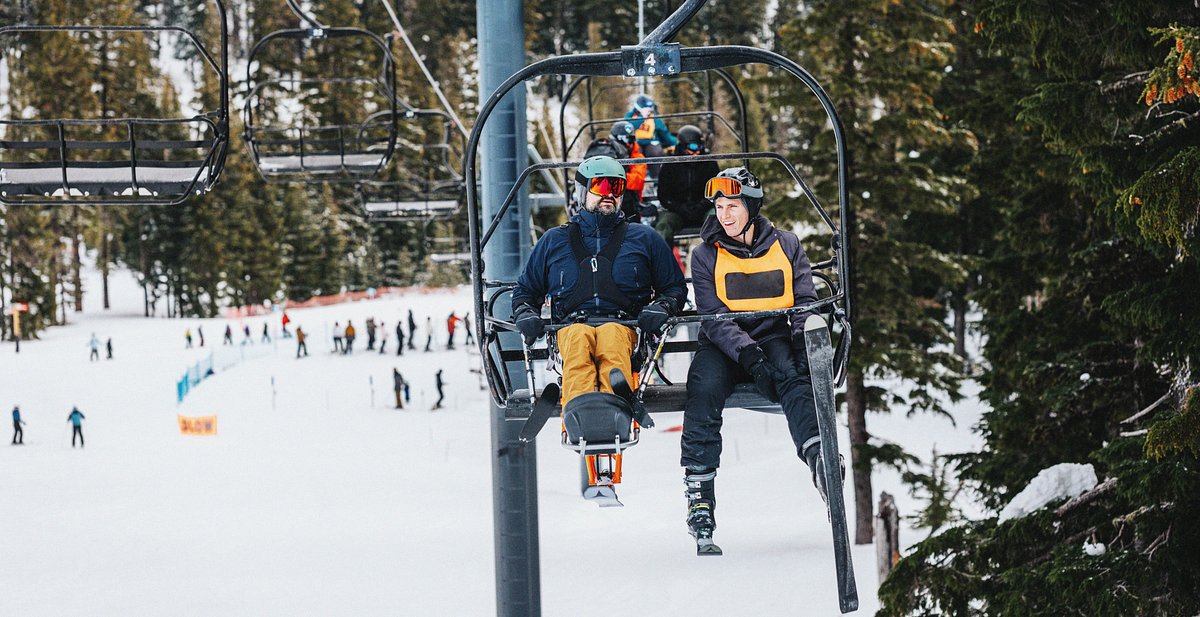
Reducing the skiing Colorado cost starts with treating lift tickets as the primary variable. While resort hotels often lock in high baseline prices, you can bypass them by booking lodging in nearby gateway towns like Leadville or Buena Vista. These areas offer a fraction of the resort-side price, and shuttle services keep you on the mountain without the premium. For equipment, avoid the on-mountain rental shops entirely; local gear shops in these towns often undercut resort prices by 30-40%.
Hawaii’s budget challenges are different. The state’s remoteness drives up the cost of goods, making food and transport the biggest budget drains. Instead of dining at resort restaurants, use grocery stores to prepare breakfasts and lunches. Renting a car from the airport is often significantly cheaper than renting in town, and booking flights during shoulder months (April-May or September-October) can drop airfare by hundreds of dollars.
Smart Booking Tactics
Timing is the most effective lever for both destinations. For Colorado skiing, mid-week trips (Tuesday-Thursday) are almost always cheaper than weekends. Many resorts also offer "lift-only" passes for locals or specific days that are significantly lower than full-season rates. In Hawaii, avoiding peak winter holidays and school breaks is essential. Traveling in late spring or early fall provides better weather and lower prices for both flights and accommodations.
Comparison of Core Expenses
The following table highlights where the biggest savings opportunities lie for each trip type. These figures represent average budget-friendly choices, not luxury experiences.
| Expense Category | Colorado Strategy | Hawaii Strategy |
|---|---|---|
| Lodging | Stay in gateway towns (e.g., Leadville) | Use vacation rentals with kitchens |
| Food | Pack lunches and snacks | Grocery shop for breakfasts and dinners |
| Transport | Use shuttles from nearby towns | Rent cars at the airport |
| Activities | Buy mid-week lift tickets | Focus on free hiking and beaches |
Checklist for Budget Travelers
- Book lift tickets or resort passes at least 30 days in advance.
- Pack reusable water bottles and high-energy snacks for the mountain.
- Check for state park discounts if staying near Colorado state parks.
- Compare rental shop prices online before arriving at the resort.
- Use a price tracking tool for flights to Hawaii.
- Book vacation rentals with at least one bedroom and a kitchen.
Is there affordable skiing in Colorado?
Yes, but it requires looking beyond the famous mega-resorts. Ski Cooper, located near Leadville, is widely considered one of the most affordable ski areas in the state. It offers lower lift ticket prices and a more relaxed atmosphere compared to Vail or Breckenridge. The town of Leadville itself is affordable, with budget-friendly lodging and dining options that are rare in more commercialized ski towns.
How much does a 3 day ski trip cost?
A 3-day ski trip can range from $800 to $1,500 per person, depending on your choices. The largest expense is usually lift tickets, which can cost $150-$200 per day. By staying in a nearby town, packing your own meals, and renting gear locally, you can keep the total closer to the lower end of that range. In Hawaii, a 3-day trip might cost $1,200-$2,000 per person, primarily due to higher airfare and food costs.
Frequently Asked Questions About Skiing Colorado Cost
Planning a mountain vacation requires looking beyond the lift ticket. While Hawaii offers a different kind of escape, the financial reality of a Colorado ski trip often involves higher upfront costs for gear, lodging, and daily passes. Understanding these variables helps you budget accurately.
| Expense Category | Colorado Skiing | Hawaii Camping |
|---|---|---|
| Lift Tickets/Activities | $150-$250/day | Free (beaches/trails) |
| Lodging (per night) | $150-$500+ | $50-$150 (campsite) |
| Food (per person/day) | $60-$100 | $40-$70 (groceries) |
| Gear Rentals | $40-$100/day | $0 (bring your own) |
No comments yet. Be the first to share your thoughts!