

Direct cost comparison for two
Before breaking down individual line items, it helps to see the total financial picture side-by-side. A five-day ski trip to Colorado for two adults typically runs between $2,500 and $3,500, while a comparable camping trip to Hawaii costs roughly $1,800 to $2,400. The difference comes down to the high fixed costs of mountain infrastructure versus the variable savings of outdoor lodging.
The table below summarizes the estimated total costs for a five-day trip for two adults, including flights, lodging, and core activity fees. These figures assume standard mid-range choices for both destinations.
| Category | Colorado Skiing | Hawaii Camping |
|---|---|---|
| Flights (roundtrip) | $600–$900 | $800–$1,200 |
| Lodging (5 nights) | $1,200–$1,800 | $400–$700 |
| Lift Tickets | $500–$700 | $0 |
| Gear Rental | $200–$300 | $0 |
| Food & Drink | $400–$600 | $200–$300 |
| Total Estimated Cost | $2,900–$4,300 | $1,400–$2,200 |
Breaking down skiing Colorado cost 2026
The headline price of a Colorado ski trip is driven almost entirely by lift tickets, which have seen sharp increases for the 2025–2026 season. Unlike many other travel expenses, these fees are highly volatile and depend heavily on when you choose to visit. A single day pass at a major resort can easily exceed $200, turning a short weekend getaway into a significant financial commitment.
Timing is the single biggest variable in your budget. Weekday tickets offer a modest discount, but weekend rates spike dramatically. For example, a five-day weekday pass at Breckenridge Resort costs roughly $3,000 for a family of four, but shifting those days to weekends would push the cost much higher. This price disparity means that flexible travelers can save hundreds of dollars simply by avoiding Saturday and Sunday slopes.
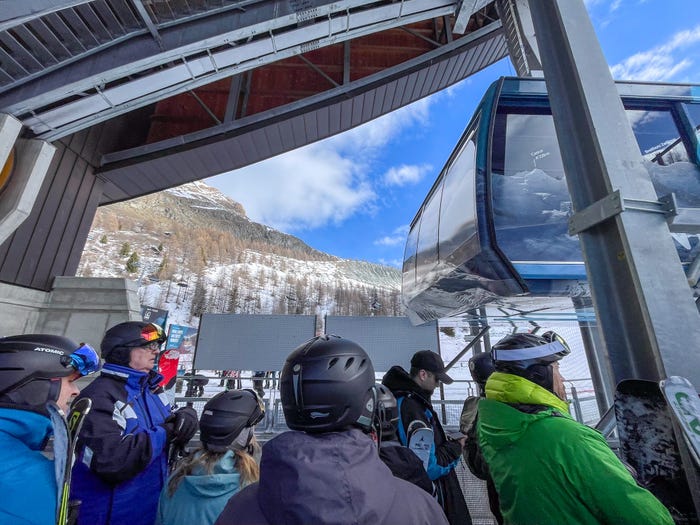
Beyond lift tickets, the cost of skiing Colorado 2026 includes mandatory gear rentals and lodging. If you do not own equipment, renting skis, boots, and poles at the mountain will add $50 to $100 per person per day. Lodging near the base of major resorts like Aspen Snowmass or Arapahoe Basin commands a premium, especially during peak holiday weeks. Early booking is essential to lock in reasonable rates before prices climb closer to the season.
To mitigate these high daily costs, many resorts offer advance purchase discounts or multi-day pass bundles. Buying tickets online weeks ahead often yields better rates than walk-up prices. Additionally, some resorts provide military or youth discounts that can further reduce the base ticket price. Understanding these variables helps you build a realistic budget before you book your trip.
Hawaii camping expenses and logistics
Camping in Hawaii is deceptively affordable if you look only at the permit fees. State park sites typically cost between $30 and $40 per night, a fraction of what you would pay for a hotel room or even a motel. However, treating camping as a budget escape is a common mistake. The real cost drivers are not the campgrounds, but the logistics of getting there and staying fed.
Flights to the Hawaiian islands remain one of the most expensive components of any trip. Unless you are departing from the U.S. mainland with a significant mileage run or a credit card transfer bonus, airfare can easily exceed $500–$800 roundtrip per person. This fixed cost dwarfs the savings you might find on a campsite. For many travelers, the flight cost alone eliminates camping as a viable budget option compared to staying in a budget hostel or Airbnb further from the beach.
Food and gear represent the second major expense. Grocery options in Hawaii are notoriously expensive due to shipping costs. A simple dinner of rice, beans, and canned meat can cost $15–$20 per person if you cook it yourself. If you plan to eat out, prices jump to $20–$30 per meal for basic local plate lunches. Additionally, you must bring your own camping gear. If you are flying, transporting a tent, sleeping bag, and cooler can incur heavy baggage fees from airlines, adding another $50–$100 to your total.
To make camping work financially, you need to minimize ancillary spending. Bring all your cooking equipment and non-perishable food from home to avoid airline baggage fees and high local prices. Choose campgrounds that are close to major highways to reduce rental car mileage. While the tent site itself is cheap, the total cost of a Hawaii camping trip often rivals a mid-range hotel stay once you factor in flights and food.
Hidden costs to watch for
When planning a skiing Colorado vs. camping Hawaii trip, the base price of lodging and lift tickets is rarely the final bill. Several recurring expenses can quietly derail your budget if you don’t account for them in advance.
Travel insurance and park fees
Travel insurance for Colorado ski trips typically runs between $50 and $150 per person, covering trip cancellation, medical emergencies, and equipment theft. In Hawaii, you’ll face mandatory park entrance fees for state parks and national parks, which can add $30 to $50 per person per day. These fees are non-negotiable and often overlooked in initial cost estimates.
Seasonal price spikes
Lift ticket prices in Colorado surge during peak weeks like Christmas and spring break. A single-day pass at a major resort can exceed $200, compared to $100 during weekdays. In Hawaii, accommodation prices spike during winter months when visitors seek warm weather. Booking early or traveling during shoulder seasons can save hundreds of dollars.
Equipment rental and gear
Colorado skiers often rent skis, boots, and helmets, which can cost $50 to $100 per day per person. Hawaii campers may need to rent camping gear if they’re not bringing their own, including tents, sleeping bags, and cooking equipment, adding $30 to $70 per day. These costs add up quickly over a week-long trip.
Food and dining
Colorado ski resorts have expensive on-mountain dining, with meals costing $20 to $40 per person. Hawaii offers more affordable local food options, but tourist-heavy areas still charge premium prices. Packing snacks and preparing some meals yourself can help control food costs in both destinations.
Which trip fits your budget better
Choosing between a Colorado ski trip and a Hawaii camping vacation comes down to how you value upfront costs versus long-term savings. Skiing requires a significant initial investment for lift tickets, gear, and lodging, while camping offers a lower barrier to entry but demands more logistical effort.
The Colorado Ski Investment
A week-long ski trip to Colorado is a premium experience with predictable, albeit high, costs. According to recent data from Breckenridge Resort, a family of four skiing five weekdays can expect to spend around $3,000. This figure typically covers lift tickets and basic lodging, but excludes meals, equipment rentals, and travel to the mountain.
Colorado ski resorts have seen steady price increases, with daily lift tickets often exceeding $200 per adult during peak seasons. However, booking early or visiting on weekdays can mitigate some of these costs. If you prefer an all-inclusive experience where meals and activities are bundled, expect the total to rise significantly.
The Hawaii Camping Advantage
Camping in Hawaii offers a radically different financial model. While flights to the islands are substantial, the daily cost of accommodation drops dramatically when you choose camping over hotels. State and national parks offer campsites for a fraction of resort prices, allowing you to stretch your budget further.
The trade-off is convenience. Camping requires you to bring or rent gear, cook your own meals, and adapt to weather conditions. However, for budget-conscious travelers willing to trade luxury for nature, the savings can be substantial. You might spend $50-$100 per night on a campsite versus $300+ for a modest hotel room.
Making the Decision
Your choice should hinge on your travel style and financial priorities. If you value convenience, luxury, and don't mind paying a premium, Colorado skiing is the better fit. If you prioritize cost savings and don't mind a more rugged experience, Hawaii camping offers exceptional value.
To help you decide, consider this checklist:
- Budget Flexibility: Do you have a fixed cap on total trip cost?
- Gear Ownership: Do you own ski equipment or camping gear?
- Comfort Level: Are you comfortable cooking outdoors and dealing with basic amenities?
- Travel Style: Do you prefer structured activities or free-form exploration?
If you answer "yes" to budget flexibility and comfort with basic amenities, Hawaii camping likely offers the better value. If you prefer a structured, luxury experience and have a higher budget, Colorado skiing is the way to go.
No comments yet. Be the first to share your thoughts!